Mojtaba Khamenei’s portrait hangs in city squares and at mourning ceremonies across Iran. Decrees carry his name. Six months after his father was killed in the opening strike of the US-Israeli war, he has yet to make a verified public appearance, and rumours about his condition persist. An Al Jazeera opinion piece argues that a leadership that once drew authority from one visible figure now rests, in part, on an absence.
The war began on February 28. The author traces its roots to the aftermath of October 7, 2023, when Israel’s war on Gaza spread across the region and wore down Iran’s network of allies. That pulled Israel and Iran into steadily sharper confrontation, ending in the 12-day war of June 2025 and then this year’s campaign.
Economics, then war, then economics again
The piece notes that Donald Trump’s first administration launched “maximum pressure” to drive Iranian oil exports to zero. When it failed to force political change, coercion gave way to force. Now the campaign has circled back. Washington suspended strikes in early August, and on August 24 the Treasury launched Operation Economic Outcast, which aims to sever Iran’s remaining financial links with the outside world. It uses secondary sanctions on those moving Iranian oil, measures against the “shadow fleet” and financial networks, and tougher enforcement.
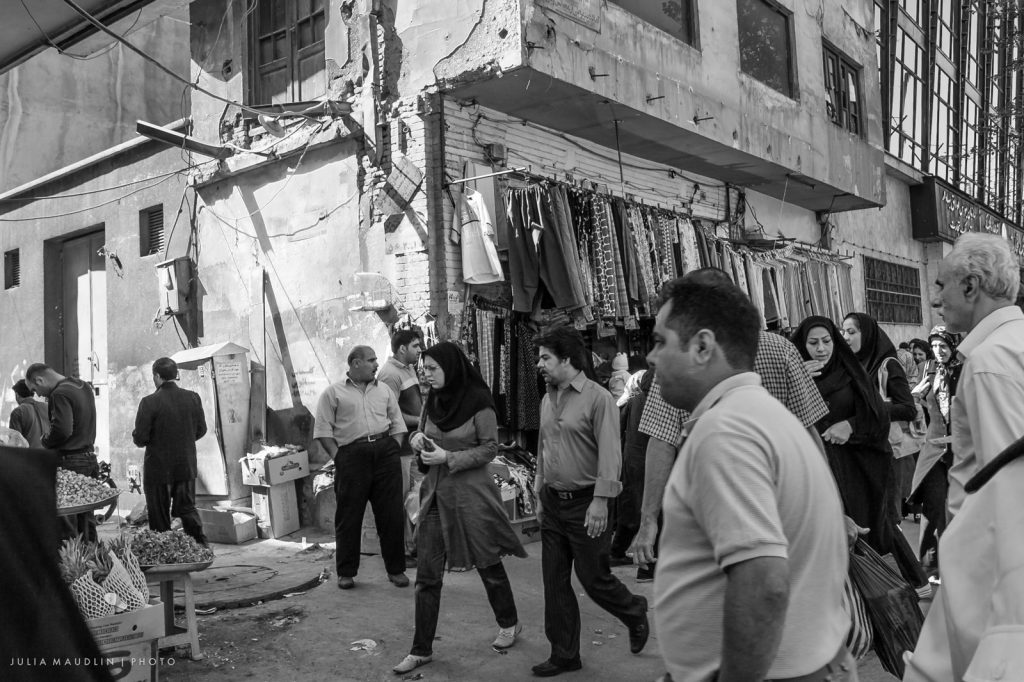
The numbers are stark. Oil exports stood near 1.8 million barrels a day before the war and have dropped below half a million. Inflation is approaching 90 percent, and food prices are more than double what they were a year ago.
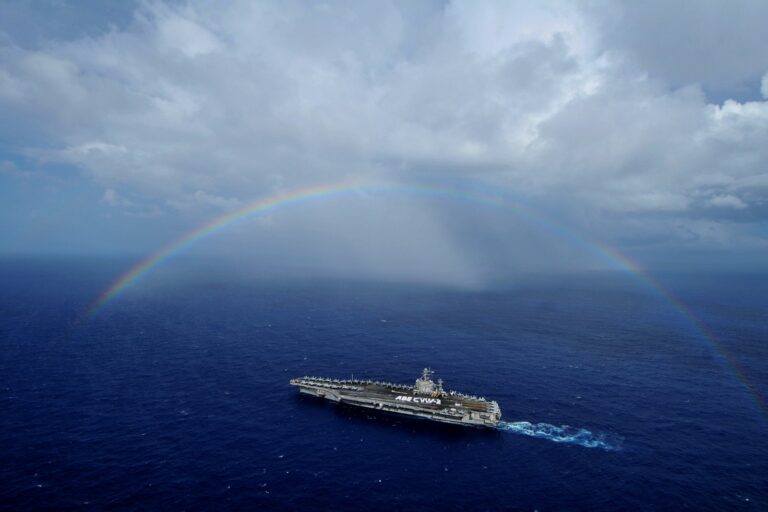
Iran closed the Strait of Hormuz on February 28 and it has not reopened. The naval blockade that followed has fused with the closure into one chokehold on Iranian trade.
A command rebuilt mid-war
The opening strike killed IRGC commander Mohammad Pakpour and armed forces chief of staff Abdolrahim Mousavi, and other senior commanders died in the weeks after. On August 10, decrees issued in Mojtaba’s name set up a new military leadership, with Ahmad Vahidi as IRGC chief and Ali Abdollahi as chief of staff. The picks were widely read as favouring loyalty over change. A state still rebuilding its high command in the sixth month of a war, the author writes, is not doing so from strength.
Two voices in Tehran
The economy was fragile before the first missile. Sanctions go back to the 1980s, and UN Security Council resolutions to 2006. Neither a 25-year, $400bn partnership with China nor a strategic treaty with Russia in early 2025 brought the stability Tehran wanted. Before the war, Ali Khamenei and President Masoud Pezeshkian had both acknowledged that sanctions alone could not explain the crisis and that governance bore part of the blame.
Now the argument has moved into the open. Pezeshkian said this month that Iran’s difficulties have “multiplied several times over.” On August 21 he said it would be “better to end [the war] today, while we are in a position of strength.”
Parliament speaker and chief negotiator Mohammad Bagher Ghalibaf put it bluntly: “No matter how much military power we have, if the people are hungry and there is no financial circulation, economic growth, or national production, we will not endure.” He still insists diplomacy carries weight only when backed by readiness for war.
The author sees the closed strait and the blockade as the centre of any deal. Reopening one and lifting the other are the levers each side holds, and the most plausible opening for talks. For Tehran the choice is hard. Settling on terms Washington would accept risks the internal fracture hardliners fear, while holding out risks a bleeding economy and a winter that will test the state’s capacity to provide.