
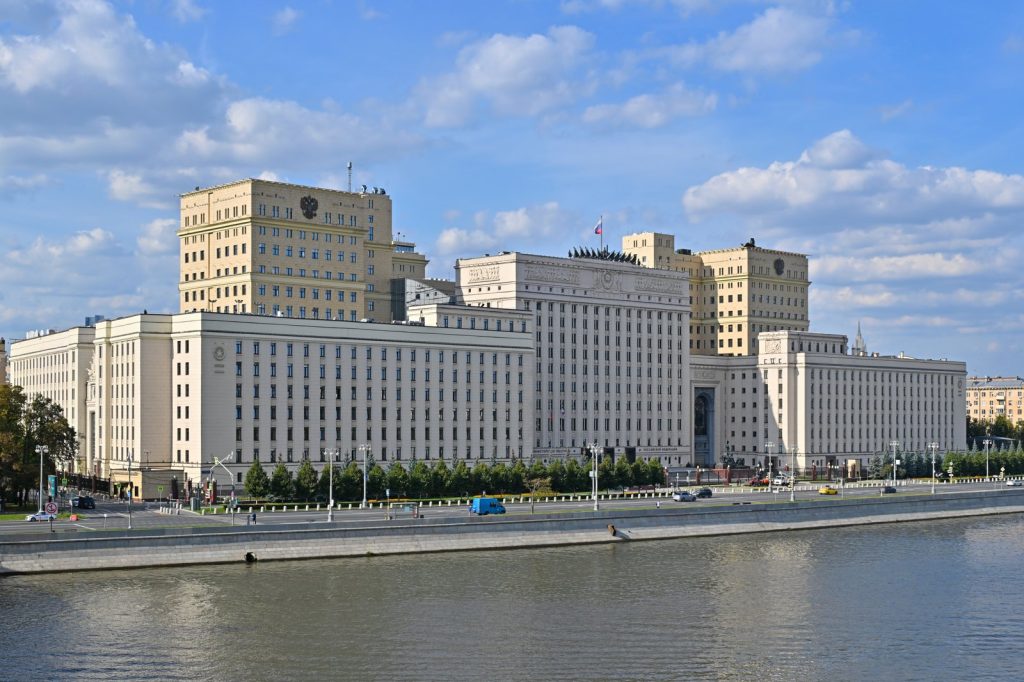
Moscow’s defence ministry has released a document that identifies several facilities in Germany and Italy as “potential targets for the Russian Armed Forces.” The ministry claims the sites are involved in the production of drones and other military equipment that support Ukraine’s war effort. The list, presented as a public warning rather than an immediate threat, is intended to pressure European states to cease assistance to Kyiv.
By naming specific locations, Russia is signalling that continued Western support could make those sites legitimate targets under its doctrine. The United States has been briefed on the publication, though the White House has not issued a formal comment. Senior officials have reiterated the importance of maintaining aid to Ukraine, indicating that the U.S. does not intend to alter its policy in response to Moscow’s warning.
NATO Secretary‑General Jens Stoltenberg responded by affirming the alliance’s commitment to Ukraine’s sovereignty and territorial integrity. He also pledged that NATO will protect its member states against any potential threats, directly countering the Russian move.
European Union foreign policy chief Josep Borrell warned that any attack on European soil would trigger severe consequences, underscoring the EU’s zero‑tolerance stance toward violations of its territory. The Russian defence ministry’s statement marks a shift from previous, more general rhetoric to the naming of concrete locations within NATO countries. While the full list has not been made public, the disclosed German and Italian sites are described as hubs for the manufacturing of drones used by Ukrainian forces.
Analysts note that the publication serves as a test of Western resolve. By making the list public, Moscow appears to be gauging whether the allies will reconsider their military aid to Ukraine or apply pressure on Kyiv to limit drone strikes inside Russian territory.
So far, the response from the United States, NATO and the EU has been unified: continued support for Ukraine and a refusal to be intimidated. European defence planners are now tasked with assessing the implications of the Russian designation. The list raises questions about whether it is a strategic bluff, a rhetorical device, or a prelude to more aggressive actions.
Regardless of intent, the naming of specific sites adds a new dimension to the ongoing confrontation, moving the dispute from abstract statements to tangible points on a map. Russia’s message is clear: it has identified where it believes Ukrainian‑backed drone production occurs and is prepared to label those facilities as legitimate targets.
In turn, Western leaders have reiterated their commitment to Ukraine and to defending NATO territory, indicating that the standoff is likely to continue without immediate escalation.




