
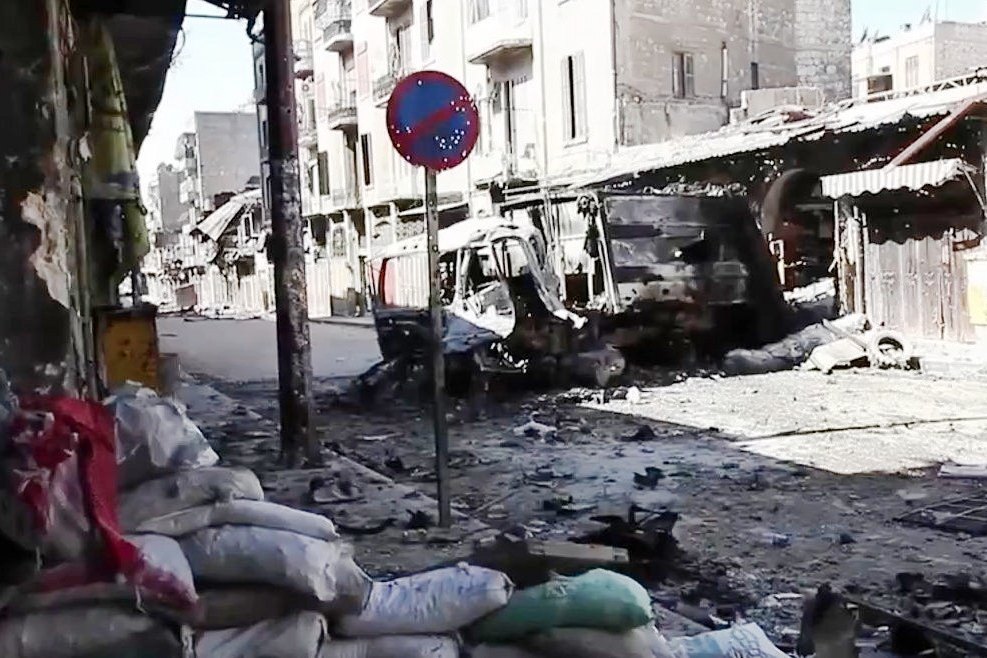
ROME, July 26 — Against the dusty backdrop of the Syrian civil war, a military partnership was forged that now stretches from the steppes of Ukraine to the Caspian Sea. The alliance between Russia and Iran, born during a conflict that erupted in 2011, has deepened into what the U.S. Department of State described last year as an unprecedented defence partnership. By September 2015, Russia had launched airstrikes in support of Syrian President Bashar al-Assad.
Iran, for its part, deployed Islamic Revolutionary Guard Corps advisers and allied militias, most notably Hezbollah. The two powers coordinated operations, sharing intelligence and using Syrian airbases such as Hmeimim and T-4.
In the corridors of Western intelligence agencies, the collaboration was noted but initially viewed as a tactical arrangement within Syria. Then came the full-scale invasion of Ukraine in February 2022. Within months, Russia, facing sanctions and battlefield losses, urgently sought new drone supplies.
Iran’s Islamic Revolutionary Guard Corps delivered Shahed-131 and Shahed-136 drones, first documented in Ukraine in September 2022. By 2023, the supply chain had expanded to include Mohajer-6 drones and components for a Russian drone factory in Tatarstan.
What is at stake here goes beyond hardware. Russia reportedly granted Iran access to its high-resolution Earth observation systems, sharing satellite imagery that sharpens Tehran’s surveillance capabilities. This quiet exchange of strategic assets represents a serious shift.
The wider picture, as outlined by the U.S. State Department in 2023, is of an evolving defence relationship that no longer fits the old confines of ad hoc cooperation.
The Syrian crucible
The Syrian civil war provided the first real testing ground for coordinated Russian-Iranian operations. The two powers did not merely fight on parallel tracks — they embedded their forces, shared targeting data, and used common logistics nodes. Iran’s Revolutionary Guard trained and equipped pro-Assad militias, while Russian air power provided cover.
This synergy, refined over years of urban warfare, later proved transferable to other theatres. Yet the partnership remained largely below the radar until the Ukraine conflict exposed Russia’s dependency on foreign drone technology.
The Shahed drones that began appearing over Ukrainian cities in autumn 2022 were Iranian-made, but the relationship quickly deepened. By mid-2023, reports emerged that Iran was supplying not just finished drones but also components for a factory in Russia’s republic of Tatarstan — a move designed to shift from simple transfer to licensed production.
The technological turn
Perhaps the most significant development has been the satellite intelligence-sharing arrangement. Russia, which operates a constellation of high-resolution Earth observation satellites, gave Iran access to imagery that enhances its ability to monitor regional adversaries. For Iran, this is a leap forward in reconnaissance capability.
For Russia, it is a way to cement the alliance and secure continued arms supplies. All of this history frames the accusation recently levelled by Ukrainian President Volodymyr Zelenskyy — though his specific claims are not detailed here, the trajectory is clear.
What began as a tactical alignment in Syria has become a strategic axis spanning two continents. The U.S. State Department’s 2023 assessment, calling the partnership “unprecedented,” now looks prescient. The next phase to watch will be whether this collaboration extends into new domains — missile technology, electronic warfare, or even nuclear cooperation.
In the corridors of European foreign ministries, the question is no longer whether Russia and Iran are partners, but how far their military-technical integration will go.
Sources
{“@context”: “https://schema.org”, “@type”: “NewsArticle”, “headline”: “Russia, Iran deepen military alliance from Syria to Ukraine”, “description”: “ROME, July 26 — Against the dusty backdrop of the Syrian civil war, a military partnership was forged that now stretches from the steppes of…”, “datePublished”: “2026-07-26T09:30:00+00:00”, “author”: {“@type”: “Person”, “name”: “Beatrice Bianchi”}, “publisher”: {“@type”: “Organization”, “name”: “InfoPulse Today”, “url”: “https://newsfeed.infopulsetoday.com/”}, “citation”: [{“@type”: “CreativeWork”, “url”: “https://en.wikipedia.org/wiki/Syrian_civil_war”}]}




