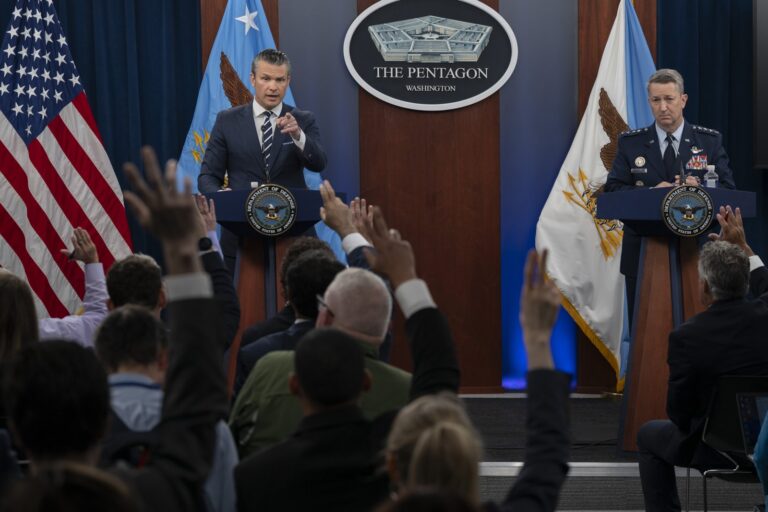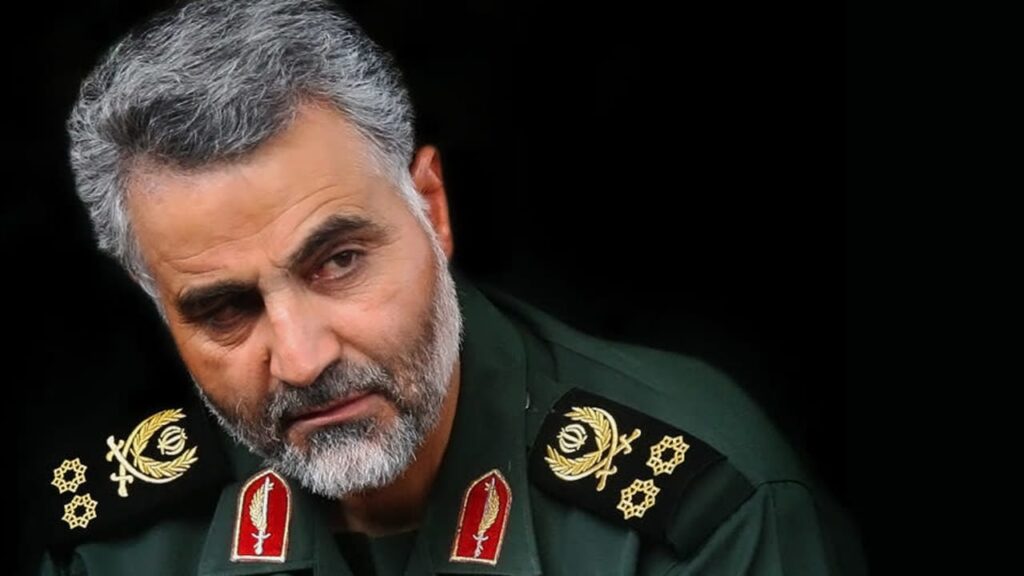
The Pentagon announced on 3 January 2020 that a US airstrike near Baghdad Airport had killed Qasem Soleimani, head of Iran’s elite Quds Force. The strike hit a vehicle. Also dead was Abu Mahdi al-Muhandis, vice president of Iraq’s Hashd al-Shaabi group, known as the Popular Mobilization Units.
Soleimani was 62. Anadolu Agency puts his birth in 1955 in Kerman province, in Iran’s southeast, in a poor farming family; he worked as a construction worker before joining the Islamic Revolutionary Guards Corps in early 1980. He fought through the Iran-Iraq War, which ran from 1980 to 1988, and was later counted among the best ten commanders on Iran’s frontier with Iraq. In 1998 he took command of the Quds Force, which Anadolu describes as tasked with protecting the revolution and running military and secret operations abroad.
A network across the region
He answered to Supreme Leader Ayatollah Ali Khamenei. NBC News reported that he controlled proxy militias in Iraq, Lebanon and Syria and backed both Hezbollah and Syrian President Bashar al-Assad. In 2017 he organized the seizure of Kirkuk from Kurdish forces, which NBC called “an embarrassing strategic blow to the U.S.” He also fought ISIS in Iraq and Syria.
By 2015 Iranian media were publishing battlefield photos of him and selling merchandise with his image. His influence was “compared to that of a vice president.”
Washington saw it differently. The US declared him a “terrorist and supporter of terrorism,” and Rudy Giuliani and Senator Elizabeth Warren both called him “a murderer.” The United Nations sanctioned him in 2007, through Security Council resolution 1747, and the US added measures in 2011 over alleged support for Syria. The Pentagon said he had orchestrated attacks on allied bases in Iraq, including a rocket strike that killed a US contractor.
The killing and its aftermath
Khamenei declared three days of national mourning and called for “severe revenge.” Days later, Iran fired missiles at Iraqi bases housing US troops.
Al Jazeera reported on 10 January 2020 that Iraqi investigators, led by National Security Adviser Falih al-Fayadh, suspected informants at both the Damascus and Baghdad airports of helping the US track him. They named four suspects: two security staff at Baghdad airport and two employees of Cham Wings Airlines, which flew the Damascus leg. One official spoke of “strong indications that a network of spies inside Baghdad Airport were involved in leaking sensitive security details.” US officials said they had followed him for days but would not explain how they found his position that night.
Sources
- PROFILE – Who is Qasem Soleimani?
- Who was Iran's Qassem Soleimani and why does his death matter?
- Informants in Iraq, Syria helped US kill Iran's Soleimani