
The Faces of Power
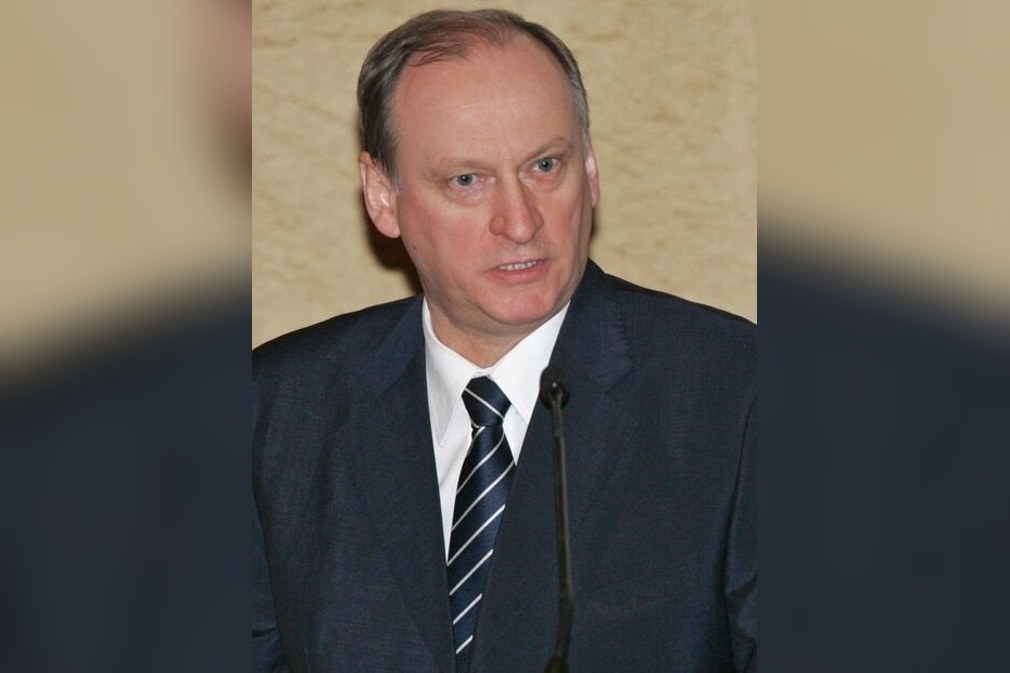
Putin’s inner circle includes a set of key figures who have all publicly supported the war. Nikolai Patrushev serves as Secretary of the Security Council, Sergei Shoigu as Minister of Defence, and Sergei Lavrov as Minister of Foreign Affairs. Alexander Bortnikov, Director of the Federal Security Service, known as the FSB, also holds a role within this group. Dmitry Medvedev, the Deputy Chairman of the Security Council and former president, is another member. Yuri Kovalchuk, a banker and longtime associate of Putin, rounds out the group, representing the intersection of state power and private wealth that has defined the Putin era. These individuals form the core of the leadership that has directed the war effort, and their collective decision-making has had far-reaching consequences. Major events under Putin’s rule have included the second Chechen war, the 2008 war with Georgia, the 2014 annexation of Crimea and support for separatists in eastern Ukraine, the 2015 military intervention in Syria, and the 2022 full-scale invasion of Ukraine. Each of these actions reshaped Russia’s foreign relations and internal politics, and the 2022 invasion, in particular, led to sweeping international sanctions and deepened confrontation with the West.
Public Unity, Private Doubts
In the corridors of power, however, the picture may be less monolithic than it appears. Reports from Western intelligence and independent Russian media suggest that some internal disagreements exist over strategy and costs. What is at stake for these men is not merely the outcome on the battlefield, but their own positions within a system where loyalty is paramount and failure can be fatal. Ukrainian President Volodymyr Zelenskyy has claimed that there are peace supporters within Putin’s inner circle, though that claim remains unverified. The wider picture remains one of a leadership that, whatever its private reservations, continues to project a unified front. The costs of the war have been enormous in casualties, economic sanctions, and international isolation, yet the public narrative from the Kremlin remains unchanged.
The Architecture of Rule
Putin’s system of rule has long relied on balancing competing factions within the security services and the oligarchic class. The current war has tested that balance. The reported disagreements are not about whether to fight, but about how to fight, and at what price. The role of Yuri Kovalchuk, a figure less visible than the security chiefs, is a reminder that the inner circle also includes financial power. The system Putin built relies on balancing factions within the state, the security services, and business elites to maintain power. His influence extends beyond formal office through control of key security and political institutions. Putin’s continued leadership shapes global security, energy markets, and diplomatic alignments, and his decisions affect millions of lives across Europe and beyond. What to watch next is whether these reported internal strains will translate into any shift in policy, or whether the public unity will hold. The war’s trajectory, and the West’s response to it, will likely determine the answer. Understanding Putin’s background and the structure of power around him helps explain the current conflict and its far-reaching consequences.




