
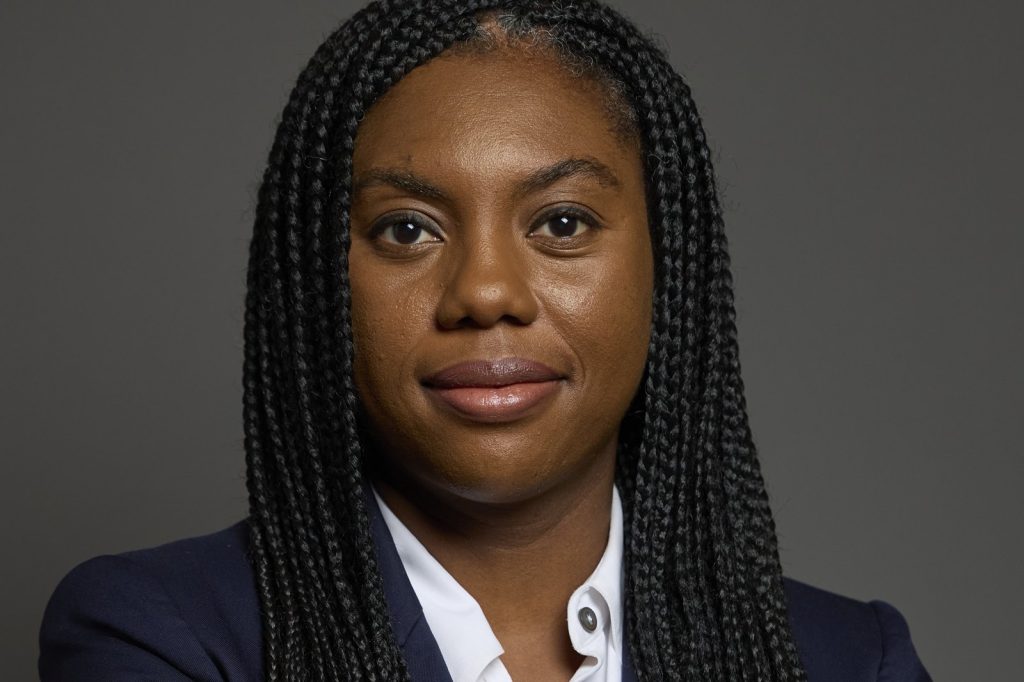
It was a gamble that could have backfired. Kemi Badenoch, barely settled into the leadership of a Conservative Party still nursing its 2024 defeat, wrote a newspaper article last week. In it, she flatly ruled out any electoral pact with Nigel Farage and Reform UK.
A lot of people in Westminster thought she was mad. They saw the numbers.
Reform was eating into the Tory vote. A deal, some argued, was the only way to stop Labour. But the public, it turns out, is not interested.
A new poll from Find Out Now puts the scale of the rejection in cold figures. Seventy-eight per cent of all voters back Badenoch’s refusal to do business with Farage.
Not just the Tory faithful — sixty per cent of them agree — but also fifty-two per cent of Reform’s own supporters. The very people Farage claims to lead are telling him no. This is the context the earlier reporting captured, but it is worth digging into what it means. The political landscape these numbers describe is not a simple two-party fight.
It is a mess. Reform is on twenty-six per cent. Labour trails on nineteen.
The Tories sit at seventeen. That is not a majority for anyone.
It is the arithmetic of a hung parliament, a prospect that now looks less like a pundit’s guess and more like a working assumption. Badenoch’s hand has been strengthened by events. Her Commons performances have been sharp.
The Aberdeen South by-election, a win the party badly needed, gave her breathing room. But the real story here is Farage.
He is wounded. The Makerfield by-election ended in defeat at the hands of Andy Burnham. That loss alone would sting, but it is compounded by a growing row over a five-million-pound donation from a crypto-billionaire named Christopher Harborne.
The scrutiny is intense. Friends of the Reform leader admit he “needs a rest.” The man who once seemed to stride through British politics without a scratch suddenly looks breakable. The arrival of Burnham in Downing Street, should it happen, is expected to give Labour a bounce.
But the polls suggest that bounce might not last. Parties could soon be neck-and-neck.
The wider picture is one of fragmentation, not consolidation. There have been whispers for months about a possible Conservative-Reform coalition. The logic was simple: pool the right-of-centre vote, beat Labour in a general election.
But the public is not buying it. The poll numbers are clear.
Even Reform voters think Badenoch is right to keep her distance. The “Farage factor” — that magnetic pull he once had on the electorate — has lost its sheen. Badenoch’s gamble was a clean break.
No deals. No pacts. No coalition with a man she has spent months positioning herself against.
It was a high-risk move. It could have isolated her, made her look stubborn.
Instead, it has given her a mandate from the voters. They do not want the deal. They want distance.
What comes next is anyone’s guess. The election is approaching.
The arithmetic is tightening. But for now, the leader of the Conservative Party has something her predecessors often lacked: a clear line in the sand, and a public standing behind it.




