
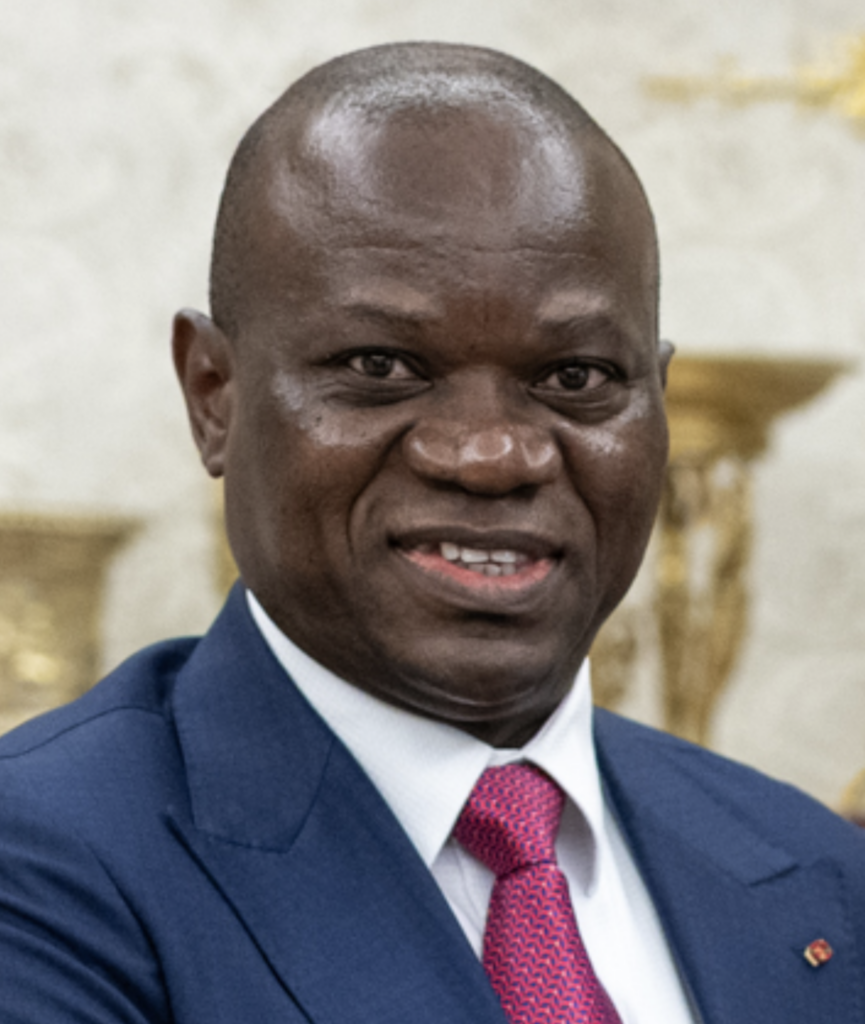
On May 15 2025, Brice Clotaire Oligui Nguema formally secured his role as Gabon’s fourth president, a position he had already exercised in a transitional capacity since 2023. His ascent followed a decisive victory in the 2025 presidential contest, where he captured more than ninety percent of the ballots cast.
As a member of the prominent Bongo lineage, his rise marks a notable shift in the nation’s political dynamics. Oligui’s involvement in the 2023 coup that removed his cousin, Ali Bongo, from power represented a turning point for Gabon. That episode, which ended the long‑standing Bongo dynasty, set the stage for the current leadership scenario.
Prior to his presidency, Oligui had served as commander‑in‑chief of the Gabonese Republican Guard beginning in 2020. From 2023 until his inauguration, he chaired the Committee for the Transition and Restoration of Institutions, a body tasked with reestablishing order after the coup.
The committee’s work, under Oligui’s direction, aimed to stabilize the country amid the upheaval caused by the removal of Ali Bongo. The 2023 coup itself remains a pivotal moment in Gabon’s recent history, highlighting the intricate alliances and rivalries that exist within the Bongo family and the wider political elite. Now sworn in as president, Oligui faces the challenge of balancing competing interests among various factions while steering the nation toward development and stronger international ties, especially with Western partners such as the United States.
From a Western viewpoint, his election presents both prospects and obstacles. Observers will monitor how he manages relations with the U.S. and other Western states, potentially seeking deeper cooperation while attending to domestic priorities and accounting for the influence of other global actors, notably China.
China’s expanding footprint across Africa, including Gabon, is a factor Oligui must weigh in his foreign‑policy decisions. Beijing has invested heavily in Gabonese infrastructure and natural‑resource sectors, yet concerns persist regarding the transparency and equity of those investments. The United States and other Western nations have voiced reservations about China’s growing influence in Africa, citing issues such as debt opacity, environmental effects, and labor standards.
How Oligui chooses to engage with China—balancing the need for capital inflows with the imperative to safeguard Gabon’s sovereignty and economic viability—will be a central aspect of his presidency. The months ahead will be critical in shaping the direction of Oligui’s leadership and Gabon’s standing on the global stage.
The international community, including the United States, will closely watch his approach to governance, human rights, and economic development. His ability to navigate internal political complexities while responding to external pressures and opportunities will serve as a significant test of his capability. As Gabon embarks on this new chapter under Oligui’s presidency, the world will observe the steps he takes to consolidate power, promote stability, and foster growth in a region endowed with abundant natural resources but also confronted by numerous challenges.
The road ahead is fraught with difficulties, yet it also offers chances for renewal and advancement. Empowered by a strong mandate from the 2025 election, Oligui possesses a unique opportunity to enact reforms and policies that could influence Gabon’s trajectory for generations.
The Western bloc, led by the United States, is likely to support initiatives aimed at strengthening democracy, enhancing transparency, and encouraging economic openness, viewing these as essential for long‑term stability and prosperity. Continued vigilance will be necessary to discern how Oligui intends to employ his presidency to build a more secure, prosperous, and democratic future for the Gabonese populace.




