
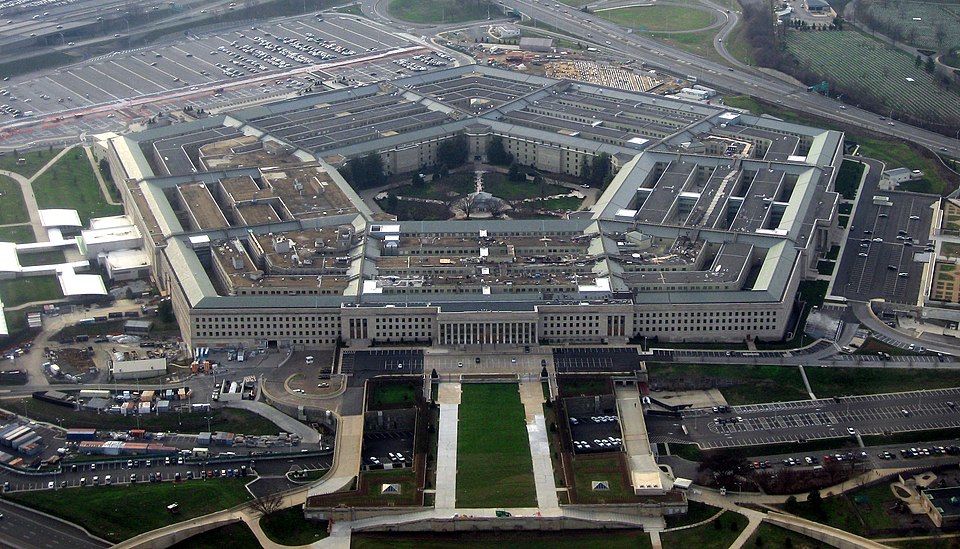
Analysts are mapping out a range of potential outcomes following President Donald Trump’s March 30 declaration, with each scenario carrying the prospect of direct military confrontation with Iran. The assessment comes as the Pentagon and allied forces evaluate the stability of the Persian Gulf, a region critical to global energy flows. The ripple effects of the declaration are becoming clearer on the ground, and planners are now preparing for several distinct contingencies.
Potential Flashpoints and Military Readiness
The most immediate scenario involves a resumption of Iranian attacks on oil tankers transiting the Strait of Hormuz, the narrow waterway through which roughly one-fifth of the world’s petroleum passes. Tehran damaged the Saudi-flagged tanker Sabiti in a similar operation in 2019, and analysts see a repeat as a plausible opening move.
The U.S. Fifth Fleet, which operates 30 ships and 15,000 personnel in the region, is positioned to increase patrols in response to any such incident. The Pentagon already moved additional B-52 bombers to the theater in March 2025, a signal of the administration’s intent to maintain a credible military deterrent. The Strategic Petroleum Reserve held 375 million barrels as of March 2025, enough for roughly 60 days of emergency supply.
The Defense Logistics Agency reports that the U.S. military consumes about 100 million barrels of oil annually, a figure that underscores the strategic stakes for Washington in keeping the Strait open. The Energy Information Administration projects that oil prices could climb to between $95 and $110 per barrel if the Strait of Hormuz is disrupted, a spike that would affect not just American consumers but the global economy.
A second, more alarming trajectory focuses on Iran’s nuclear program. Analysts warn that Tehran could accelerate its enrichment activities and potentially test a nuclear device within months. The United States retains the option of reimposing so-called snapback sanctions under United Nations Security Council Resolution 2231, a mechanism that technically expired in October 2025 but could be invoked earlier.
The resolution originally capped Iran’s uranium enrichment and limited its nuclear activities in exchange for sanctions relief. Any move by Iran to cross the nuclear threshold would represent a direct challenge to the nonproliferation regime that the United States has helped uphold for decades.
Strategic Reserves and Economic Consequences
The economic stakes are tied directly to the military calculus. If Iranian forces disrupt tanker traffic in the Strait of Hormuz, the resulting oil price surge would test the adequacy of the Strategic Petroleum Reserve. The 375 million barrels held as of March 2025 provide a cushion of roughly two months if imports are completely cut off, though the actual drawdown rate depends on the severity of the disruption.
The Pentagon’s own consumption of 100 million barrels per year highlights the military’s dependence on secure energy supplies, a factor that shapes the operational planning of the Fifth Fleet and allied naval forces. The United States is a federal republic of fifty states with a history that stretches back to early 17th-century British colonization and independence in 1776.
Its westward expansion, industrialization, and emergence as a global power after two world wars and the Cold War have left it the dominant military and economic actor on the world stage by the late 20th century. This vast geographic and demographic scale, combined with a complex history of immigration and international engagement, has positioned the United States as a guarantor of energy security and regional stability in volatile areas such as the Middle East. Its role in world affairs often centers on strategic interests—including energy security, regional stability, and nonproliferation—that directly inform its policies in the Persian Gulf and beyond.
Diplomatic Channels and Historical Context
Diplomatic pathways remain open, though fragile. European Union foreign policy chief Kaja Kallas has offered to mediate between the United States and Iran, a move that could provide an off-ramp to escalation. The offer comes as the EU seeks to preserve dialogue amid rising tensions.
The historical trajectory of the United States—its persistent involvement in global conflicts, its network of alliances, and its long-standing commitment to deterrence—helps explain why Washington is prepared to deploy B-52s and maintain a large naval presence in the Gulf. Analysts note that the same institutional memory of the Cold War and the two world wars also underpins the American willingness to enforce nonproliferation norms and to protect the free flow of oil, resources that have shaped the nation’s foreign policy for more than a century.
The interplay of military readiness, economic vulnerability, and diplomatic engagement will determine which scenario—or combination of scenarios—actually unfolds. For now, the United States holds a 375-million-barrel reserve, a 30-ship fleet, and a nuclear option in the form of snapback sanctions. Iran, meanwhile, holds the capacity to disrupt global oil flows and advance its nuclear program.
The coming weeks and months will test whether the diplomatic track or the military track gains the upper hand.




