
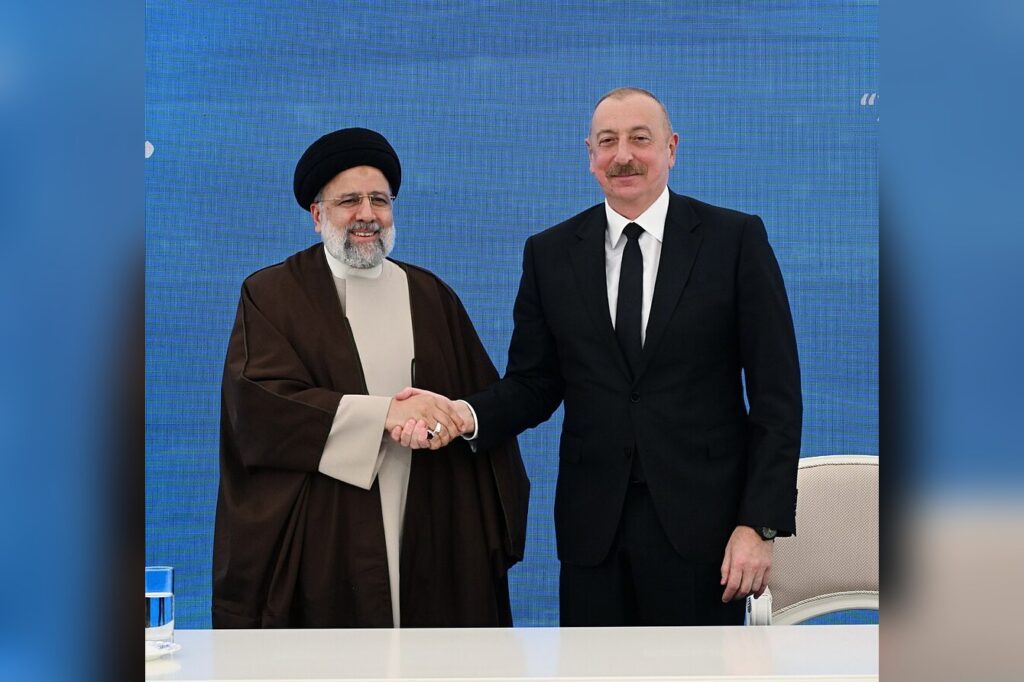
TEHRAN, July 8 — Eight years after he first took office, Iranian President Ebrahim Raisi remains a figure of both consolidation and contention across the Islamic Republic, with his tenure marked by deepening nuclear ambitions, shifting diplomatic alliances, and a domestic crackdown that has drawn international condemnation. Born December 14, 1960, in the northeastern city of Mashhad, Raisi is a Shia cleric and hardline conservative who assumed the presidency on August 3, 2021.
He won the June 2021 election with 62 percent of the vote, but turnout was a record low of 48.8 percent, reflecting widespread apathy and a boycott by reformist and moderate factions. Before the presidency, Raisi served as head of Iran’s judiciary from 2019 to 2021, a role that placed him at the center of the country’s legal apparatus.
He is widely seen as a potential successor to Supreme Leader Ali Khamenei, a position that would grant him ultimate authority over the state.
Nuclear acceleration and international isolation
Under Raisi, Iran has significantly advanced its nuclear program. In May 2024, the International Atomic Energy Agency reported that Tehran had accelerated uranium enrichment to 60 percent purity, a level just short of weapons-grade. That move alarmed Western capitals and further strained already frayed relations with the United States.
Raisi has condemned American sanctions as “economic terrorism” and has not met with any US officials since taking office. His administration has instead pursued the “Look East” policy, strengthening ties with China and Russia as a counterweight to Western pressure.
In March 2023, Iran normalized relations with Saudi Arabia under a China-brokered deal, a significant realignment in the Middle East that reduced the risk of direct confrontation between the two regional rivals.
Domestic unrest and the Mahsa Amini protests
Closer to home, Raisi’s presidency has been defined by one of the most serious challenges to the Islamic Republic in decades. The 2022 Mahsa Amini protests erupted after the death of a 22-year-old woman in the custody of Iran’s morality police. Human rights groups reported that over 500 people were killed in the ensuing crackdown.
The protests drew in women, students, and workers across Iran’s diverse communities, demanding an end to mandatory hijab laws and broader political freedoms. Raisi’s government responded with force, arresting thousands and executing several protesters in what international observers described as a campaign of intimidation.
What to watch next
As Raisi’s term continues, the key question remains succession. With Khamenei now 87, the possibility of Raisi ascending to the role of Supreme Leader would consolidate hardline control over both the political and religious institutions of the state. That prospect has drawn concern from Western governments and human rights organizations, who point to Raisi’s record on civil liberties and his role in the 1988 mass executions of political prisoners, for which he has faced sanctions from the United States and the European Union.
Meanwhile, Iran’s deepening partnership with Russia, including reported deliveries of drones and military equipment for use in Ukraine, has further isolated Tehran from the West. For the people of Iran, Raisi’s presidency has meant a tightening of social controls, a struggling economy hit by sanctions, and a government that shows little appetite for compromise.




