
A Wartime Leader’s Changing Access
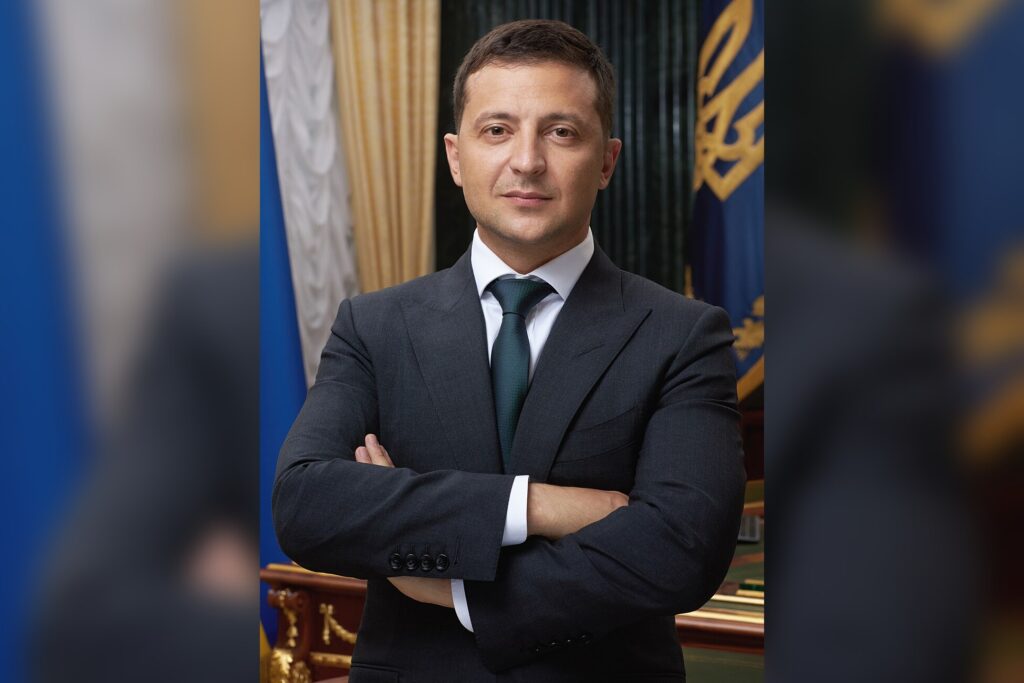
Since Russia launched its full-scale invasion of Ukraine on February 24, 2022, President Zelensky has become a fixture at Western diplomatic gatherings. His virtual and in-person addresses to parliaments, the United Nations, and NATO have been a hallmark of Ukraine’s effort to rally international support. The NATO summit, intended to focus on support for Ukraine, defense spending, and alliance cohesion, would typically be another platform for the Ukrainian leader to press his case. But the reported decision to bar him from speaking signals a significant shift in how the alliance manages its relationship with Kyiv—and with Washington’s domestic political landscape.
The trend underneath this story is the growing tension between alliance solidarity and the political calculations of a potential second Trump administration. Trump has previously criticized NATO allies for failing to meet defense spending targets and has expressed skepticism about continued aid to Ukraine. While the White House and NATO have not commented, the reported move suggests that internal U.S. political considerations may now shape who gets a voice inside the world’s foremost defense pact. For Ukraine, which relies heavily on Western military and financial assistance, losing a scheduled address at the summit could weaken its ability to sustain momentum for support among allied nations.
NATO’s Evolution and Ukraine’s Aspirations
NATO is an intergovernmental military alliance founded in 1949 after World War II, built on the principle that an attack on one member is treated as an attack on all. Its original mission was to provide collective security among North American and European states during the Cold War, primarily countering the Soviet Union and the Warsaw Pact. After the Soviet collapse, the alliance took on new missions, including military interventions in the Balkans and later in Afghanistan—the only time its mutual defense clause has been invoked. Since the late 20th century, NATO expanded across much of Europe and recognized Ukraine as an aspiring member.
Relations with Russia grew increasingly hostile under President Vladimir Putin, who opposed the alliance’s eastward growth. Following Russia’s annexation of Crimea in 2014, NATO halted cooperation with Moscow and began posting forces in Eastern Europe. The full-scale Russian invasion of Ukraine in 2022 pushed the alliance to reinforce its eastern flank and supply Kyiv with arms. That war turned Ukraine’s leader into a regular voice at alliance gatherings, underscoring the alliance’s direct stake in the conflict.
The reported move to limit a wartime president’s summit address illustrates how domestic politics within a major member state can strain long-standing alliance habits. For readers, it signals that solidarity and internal political pressures now shape who is heard inside the world’s most consequential defense organization. If Zelensky is indeed barred from speaking, the implications for Ukraine’s war effort and the alliance’s unity are clear: the calculus around Kyiv’s diplomatic access is changing, and the intersection of U.S. electoral dynamics with international commitments is becoming a central factor in NATO’s decision-making.
{“@context”: “https://schema.org”, “@type”: “NewsArticle”, “headline”: “Zelensky’s NATO Access Shifts Amid U.S. Political Calculations”, “description”: “A Wartime Leader’s Changing Access Since Russia launched its full-scale invasion of Ukraine on February 24, 2022, President Zelensky has become a fixture at Western…”, “datePublished”: “2026-07-06T09:30:00+00:00”, “author”: {“@type”: “Person”, “name”: “Reza Karimi”}, “publisher”: {“@type”: “Organization”, “name”: “InfoPulse Today”, “url”: “https://newsfeed.2bme.xyz/”}}




