
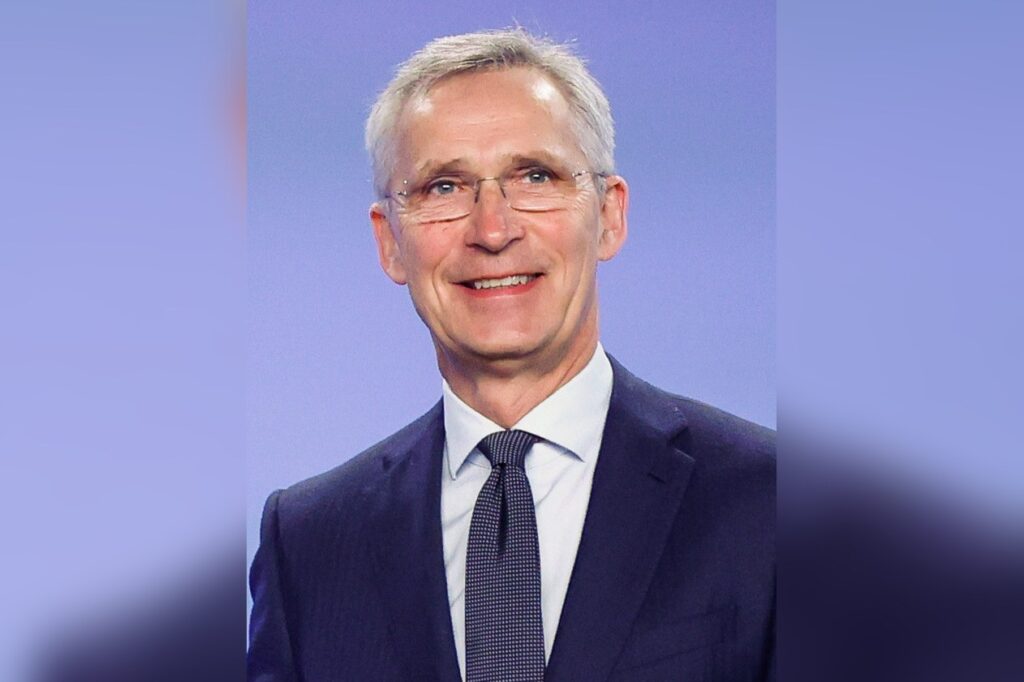
BRUSSELS, July 6 — Jens Stoltenberg, the NATO Secretary General who has led the alliance since October 1, 2014, now finds himself managing what officials describe as one of the most delicate political calculations of his tenure. The record shows that a report by The Telegraph, stating that Ukrainian President Volodymyr Zelensky was barred from a summit to avoid offending former U.S. President Donald Trump, has placed Stoltenberg in a position where he must balance alliance cohesion against the backdrop of American electoral uncertainty.
Stoltenberg, born March 16, 1959, in Oslo, Norway, has served as NATO’s civilian chief through two pivotal crises: the Russian annexation of Crimea in 2014 and the full-scale invasion of Ukraine in 2022. According to the source material, he has been a staunch advocate for Ukraine, pushing for increased military aid and a path to membership.
His term was extended multiple times, most recently through October 2024, due to the Ukraine crisis. The current situation, however, tests a different kind of leadership. Stoltenberg has worked to maintain unity among 32 member states, balancing the concerns of European allies with U.S. political dynamics.
The Telegraph report suggests that the decision to exclude Zelensky from a summit was made to avoid offending Trump. Officials have not confirmed the report, but the strategic context is clear: the alliance must navigate a period where Washington’s future posture toward NATO remains uncertain.
A former Prime Minister of Norway, serving from 2000 to 2001 and again from 2005 to 2013, Stoltenberg has long understood the mechanics of coalition management. The source material indicates that he has led the alliance through the Russian annexation of Crimea and the full-scale invasion of Ukraine, demonstrating his ability to steer the bloc during times of crisis. Yet the current challenge is distinct: it involves managing internal tensions among member states while keeping the door open for Ukraine’s eventual membership.
According to the record, Stoltenberg has been a staunch advocate for Ukraine, pushing for increased military aid and a path to membership. The Telegraph report, if accurate, would place him in a delicate position, as he must manage alliance cohesion amid U.S. electoral uncertainty. The summit in question, though not named in the source, appears to have been a venue where the alliance’s messaging on Ukraine was carefully calibrated.
What comes next is unclear. The alliance faces a period where its largest member, the United States, is in the midst of an election cycle.
Stoltenberg, according to the source material, has worked to maintain unity among 32 member states. The coming weeks will show whether he can continue that work while addressing the concerns of Kyiv and the sensitivities of Washington.




