
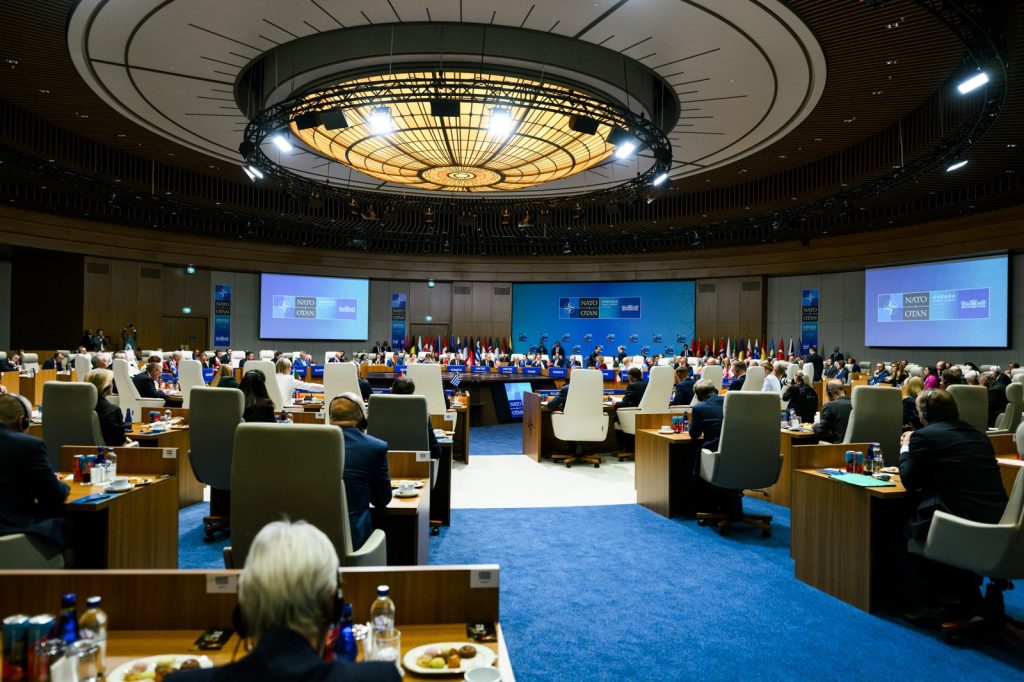
BRUSSELS, July 6 — Against the backdrop of Washington’s preparations for the upcoming NATO summit, a quiet but consequential diplomatic storm is gathering in the corridors of the North Atlantic Council. The NAC, NATO’s principal political decision-making body, operates by consensus among its permanent representatives from all member states. This includes decisions on which non-member leaders are invited to speak at summits.
The reported decision to bar Ukrainian President Volodymyr Zelensky from addressing the 2024 gathering, if confirmed, would therefore require agreement among the allies. What is at stake here goes beyond a single speaking slot.
The U.S., as host of the 2024 summit, plays a key role in shaping both the agenda and the guest list. The reported move may reflect concerns about domestic U.S. politics, though the alliance’s formal decision-making process would have required buy-in from other member states as well. The wider picture is instructive.
At the 2023 Vilnius summit, Zelensky and other partner leaders delivered speeches. That precedent now appears to be in question.
For European allies watching from Brussels, the implications are clear. The NAC’s consensus-based system means that no single nation — not even the host — can unilaterally bar a speaker. Yet the reported outcome suggests that Washington’s political calculations carried weight in the internal discussions.
The Italian perspective on this is particularly acute. Rome has been a consistent supporter of Kyiv’s integration into Euro-Atlantic structures. The reported snub, if it materialises, would be seen here as a troubling signal about the alliance’s unity of purpose at a moment when Russian aggression continues.
What to watch next is whether other NATO capitals will push back against the reported decision, or whether the consensus will hold. The NAC’s permanent representatives will continue their preparatory work in the weeks ahead, and the question of who speaks — and who does not — will remain a sensitive test of the alliance’s political cohesion.
For now, the corridors of NATO headquarters are filled with the kind of careful, off-the-record conversations that precede any contentious summit. The formal decision has not been announced, but the signals are being read with concern in European capitals.




