
Maldives Bars Israeli Travelers Effective Immediately
The Maldives government has announced that holders of Israeli passports will no longer be permitted to enter the country, with the restriction taking effect right away. Officials say the measure is intended as a expression of solidarity with the Palestinian cause, reflecting a long‑standing position taken by Malé on the Israeli‑Palestinian conflict.
Geographic and Economic Context
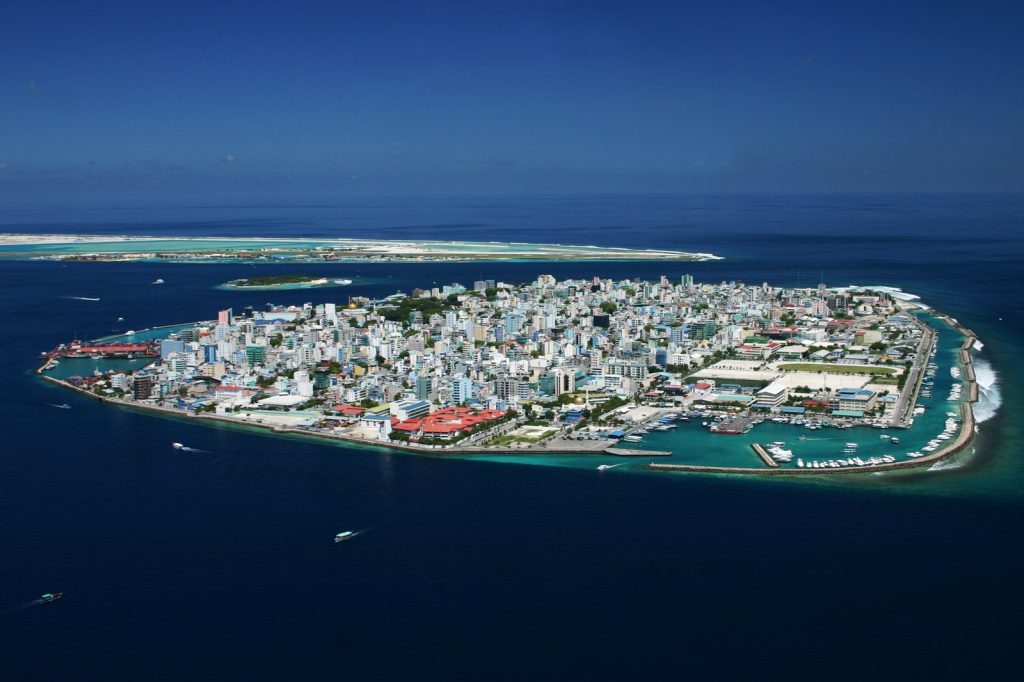
The Maldives is an archipelagic state made up of 26 atolls that stretch from Ihavandhippolhu in the north to Addu Atoll in the south. Its total land area is only 298 square kilometres, while the surrounding ocean covers roughly 90,000 square kilometres.
This expansive maritime setting has made the nation a magnet for international tourists, and tourism remains the backbone of its economy.
Potential Impact on Visitor Numbers and Revenue
Because the country depends heavily on foreign visitors for income, the new entry ban could discourage some travelers and consequently affect tourism‑related earnings. Analysts warn that any reduction in visitor arrivals may translate into lower revenue for hotels, restaurants, and ancillary services that rely on the sector.
Diplomatic Reactions and Strategic Considerations
The decision is likely to draw attention from Western governments, especially the United States, which has historically maintained close ties with Malé and has long been a steadfast supporter of Israel. Washington may view the ban as a complication in its bilateral relationship and could prompt a reassessment of cooperation on security, development, and regional stability.
Regional Balancing Act
As the smallest country in Asia, the Maldives often finds itself navigating the influence of larger neighbours such as India and China. Past administrations have tried to keep an even hand between these powers. The latest move may be interpreted by observers as a tilt toward a more Islamist‑oriented foreign policy, which could alter how the Maldives is perceived by its regional partners and the wider international community.
Human Rights and Democratic Concerns
International human rights groups have previously criticised the Maldives for limits on freedom of expression and the treatment of certain minorities. The entry restriction on Israeli passport holders may be seen by these organisations as another step that raises questions about the country’s commitment to democratic norms, potentially leading to heightened scrutiny from both NGOs and Western governments.
Looking Ahead
Malé will need to weigh the domestic political motivations behind the ban against the possible economic and diplomatic fallout. With its economy and security closely linked to the goodwill of the international community, the government faces the challenge of balancing internal priorities with the need to sustain constructive relations with key partners, including the United States.
As the situation evolves, the Maldives’ decision is expected to have lasting repercussions for its standing in global affairs and for the broader Indian Ocean region.




