
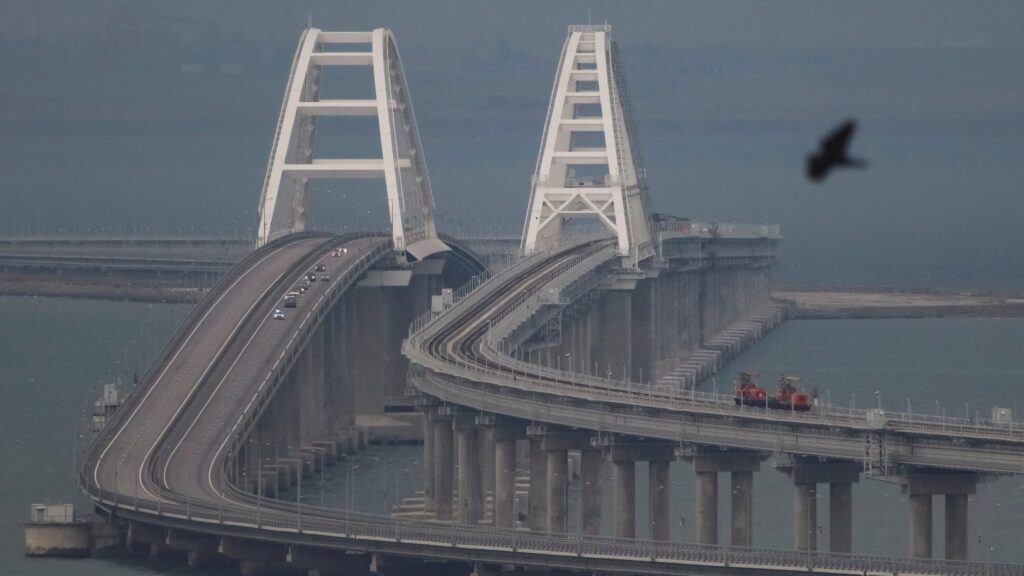
A blast that tore through a railway bridge in Russia’s Kursk Oblast derailed a freight train, killed a railway worker and injured two others, including the train’s driver. The identities of the victims have not been released, and the condition of the injured remains unknown. While the human loss is tragic, officials say the incident also raises broader concerns about the security of Russia’s transport infrastructure.
Kursk Oblast, a federal subject with a population exceeding one million, is not a remote backwater. The region has a history of industrial and transportation mishaps, but authorities are treating this explosion as a possible terrorist act rather than an accident. If the investigation confirms a deliberate attack, it would represent a direct strike against a rail system already strained by the war in Ukraine, international sanctions and years of under‑investment.
The damaged bridge is part of a network that moves weapons, fuel and commercial goods across the country. Disrupting a single crossing forces freight onto longer routes, increases logistical costs and prompts heightened security inspections at other bridges and junctions. For logistics managers and insurers, the incident adds a new layer of risk to an already fragile supply chain that underpins both Russia’s war effort and its broader economy.
Washington has called for expanded international cooperation to combat terrorism, a message that may pressure Moscow, which traditionally views foreign involvement in its internal security with suspicion. China, a major investor in Russian energy projects and infrastructure, has so far declined to comment on the blast. The silence is notable given Beijing’s stakes in pipelines, rail links and port upgrades that connect Russian resources to Chinese markets. A terrorist attack on Russian transport assets could jeopardize those investments, prompting Chinese firms to reassess risk exposure.
Russian investigators have not yet disclosed details about the explosive device, its placement or any suspects. Determining whether the blast was carried out by a lone individual or a coordinated group will shape the authorities’ response. Questions being examined include how the perpetrator accessed the bridge, whether the site was guarded and if any intelligence warnings were missed. In a system that demands accountability, such inquiries could lead to personnel changes or broader security reforms.
At present, the bridge remains damaged, the freight train is halted, one family mourns the loss of a loved one, and two injured persons await updates from medical facilities. The incident adds a new vulnerability to a transportation sector already coping with reduced capacity and heightened scrutiny. Whether Russian authorities can quickly repair the bridge and prevent further attacks remains uncertain, leaving both domestic and international observers to watch closely.




