
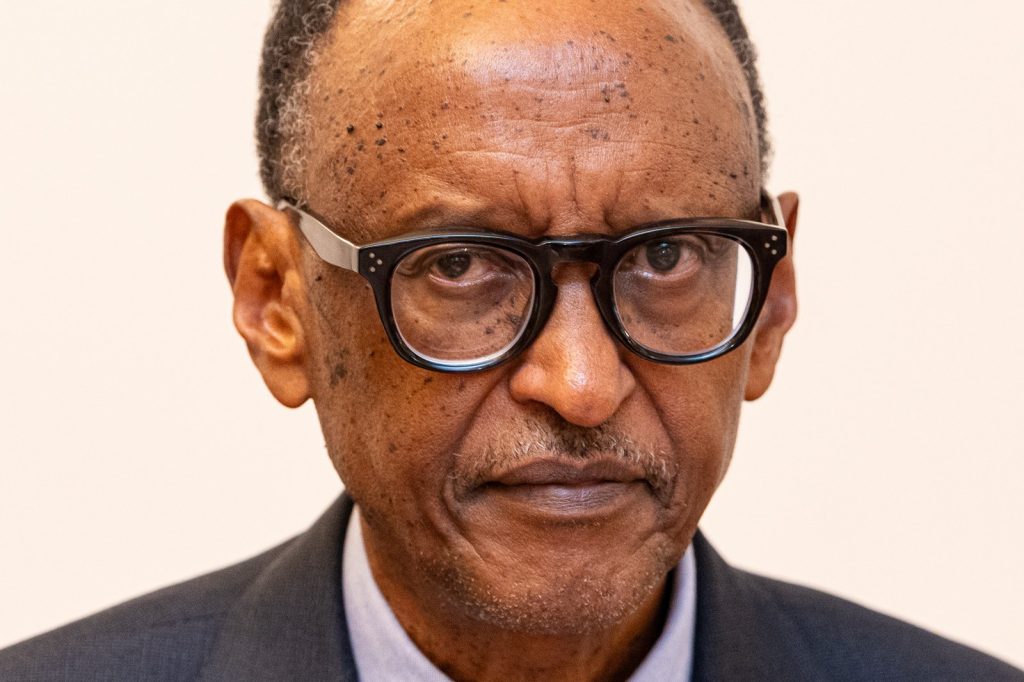
On August 11, President Paul Kagame took the oath of office for a fourth term in a ceremony attended by local and international dignitaries in Kigali. The event proceeded without incident, marking another milestone for a leader who now ranks among the longest‑serving heads of state on the continent.
Kagame’s administration points to a series of concrete achievements as justification for continuity. Rwanda’s economy has registered notable expansion, attracting foreign investors and positioning the nation as a key player within the East African Community. Improvements in health and education outcomes have been recorded, bolstered in part by substantial assistance from the United States.
These advances are highlighted by the government as evidence of effective governance. Nevertheless, the very factors that underpin Rwanda’s stability also introduce new challenges.
Sustaining rapid economic growth will require policies that can adapt to diminishing returns and external shocks. At the same time, Rwanda’s assertive military posture and its involvement in eastern Democratic Republic of Congo have generated unease among neighboring states, creating a volatile regional environment that a new term will not automatically resolve. The United States remains a pivotal partner for Kigali, but the relationship is increasingly complex. While Washington continues to provide aid and acknowledges Rwanda’s development strides, it has repeatedly urged the Rwandan government to address concerns regarding restrictions on dissent and limited press freedom.
U.S. officials have called for reforms that would align Rwanda more closely with democratic standards, a stance that has persisted across successive administrations. Human‑rights organisations and opposition figures echo these criticisms, citing crackdowns on journalists and political rivals as evidence of an increasingly constrained civic space.
The Rwandan government, in turn, defends its approach as necessary for maintaining order and fostering development. This tension between security‑focused governance and calls for greater political openness is embedded in the country’s political architecture and is unlikely to disappear with the inauguration of a new term. Donor nations and multilateral agencies share the United States’ expectations, linking future assistance to progress on governance and human‑rights issues.
Rwanda’s track record of delivering economic results is juxtaposed with its tendency toward power centralisation, prompting questions about whether both trajectories can remain aligned moving forward. Regional dynamics add another layer of complexity.
Border disputes and accusations that Rwanda backs armed groups in neighboring territories have strained relations with several East African states. Managing these frictions while preserving domestic economic momentum will be a delicate balancing act for Kagame and his administration. In his inaugural address, Kagame pledged to keep advancing the nation’s economic agenda and to elevate Rwanda’s stature on the global stage.
He does so with the backing of a well‑organized state apparatus and a personal longevity that few African leaders have matched. Yet the path ahead is fraught with concrete hurdles: sustaining growth rates, navigating a tense regional landscape, and responding to sustained international pressure on governance and human‑rights practices.
The ceremony on August 11 signalled the start of a new term, but the substantive work of governing—balancing development with political reform and regional diplomacy—remains the true test for Kagame’s fourth presidency.




