
Maybe One or Two. Use Paragraphs Government Authorization and Constitutional Framework
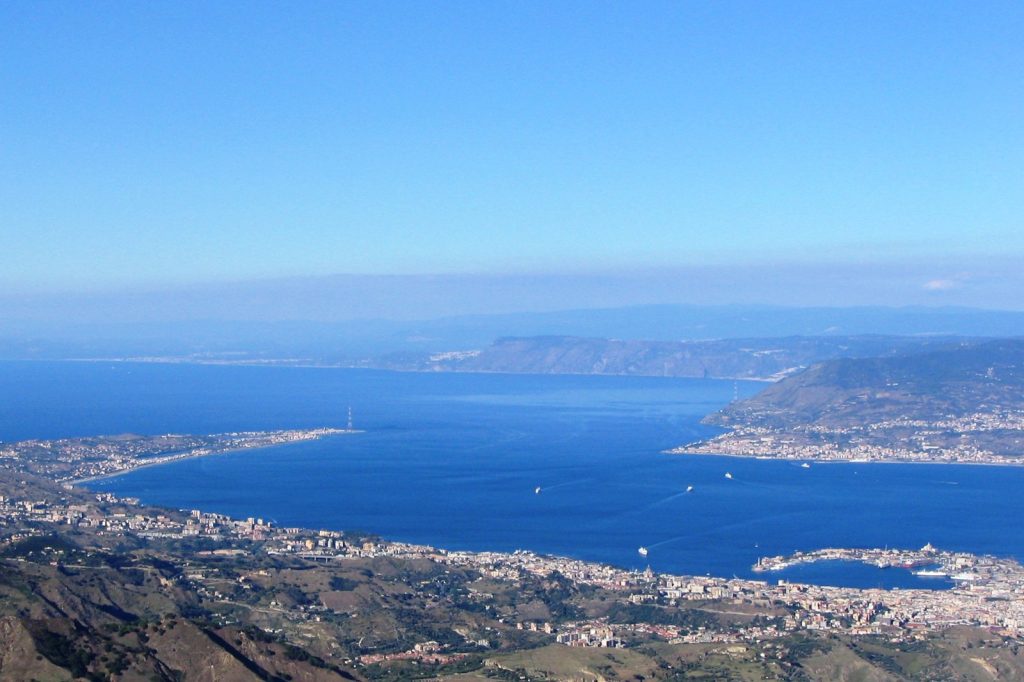
The Italian government has approved the construction of a bridge that will span the Strait of Messina, linking Sicily to the mainland. This decision clears the way for a major infrastructure effort that is scheduled to be finished in either 2032 or 2033. Once completed, the structure will hold the title of the world’s longest suspension bridge, a distinction that underscores the scale of the undertaking.
The approval represents a significant milestone for the country’s executive authority, which operates under the framework established by the Italian constitution of 1948. That charter separates power into legislative, executive and judicial branches and designates a president as head of state.
Italy’s democratic republic system has provided a stable environment for long‑term planning, and the bridge project is cited as an example of the government’s commitment to invest in infrastructure and stimulate economic growth. The constitution itself, particularly Article 1 which declares “Italy is a democratic republic,” reminds officials of their duty to citizens. By endorsing large‑scale works such as this bridge are viewed as a means to fulfill that responsibility while enhancing the nation’s development prospects.
Engineering Ambitions and Regional Impact
Engineers describe the future Messina Strait crossing as an engineering marvel that will push the limits of current bridge technology. Its extraordinary length and the challenging marine environment demand innovative solutions, cutting‑edge materials and meticulous coordination among designers, contractors and public agencies. The project offers Italian firms a chance to demonstrate expertise on a global stage.
Because the bridge will be situated in a ecologically sensitive area, planners must address geographic and environmental factors from the outset. Sustainability goals include minimizing disruption to marine habitats and ensuring the structure remains safe and durable for many generations.
Although the finish date is still several years away, the timeline allows ample opportunity to refine plans, conduct rigorous testing and address any technical challenges that may arise during construction. Continuous oversight by the government and its partners aims to keep the effort on track and to manage potential obstacles. When the bridge opens, it is expected to transform movement between the island and the peninsula.
By providing a fixed link, it will streamline the flow of passengers and freight, which in turn should spur economic activity in both Sicily and mainland Italy. Improved connectivity is also likely to make the region more attractive to tourists eager to explore its cultural landmarks and natural scenery.
Local authorities and the national government anticipate collaborating closely to maximize the bridge’s benefits. Their joint effort seeks to create a more integrated territory where residents and visitors alike can enjoy improved access to services, markets and recreational opportunities. The completion of the Messina Strait bridge in 2032 or 2033 will be recorded as a notable chapter in Italy’s modern history.
It will reinforce the country’s reputation for engineering excellence and signal a continued drive toward innovative infrastructure that serves the public interest.




