
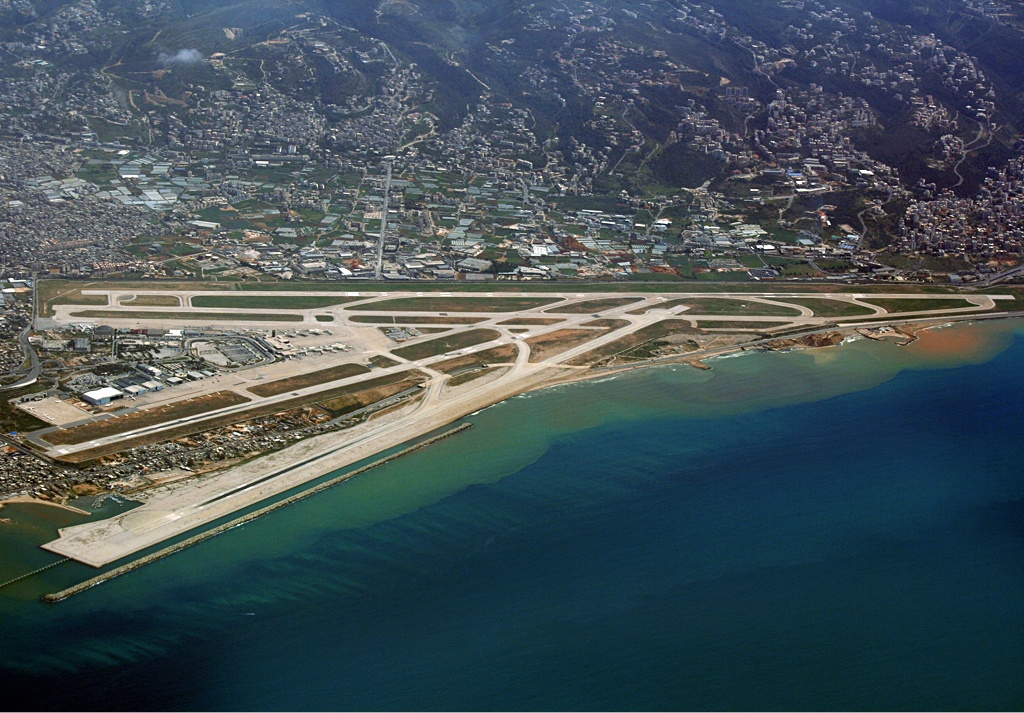
On March 4, 2026, two Israeli strikes hit the road leading to Beirut–Rafic Hariri International Airport, killing three people and wounding six others. The attack occurred in the Southern Suburbs of Beirut, where the airport is situated.
As Lebanon’s sole operational commercial airport, the facility serves as a crucial transportation hub and a vital connection to the global economy. The airport functions as the home base for Lebanon’s national carrier, Middle East Airlines, and previously hosted the Lebanese cargo carriers TMA cargo and Wings of Lebanon. It was renamed in 2005 to honor former Prime Minister Rafic Hariri following his assassination that year, a reminder of the region’s turbulent history. Regional tensions have been mounting in recent months, driven by worries over Iran’s influence and its proxy groups in Lebanon.
The United States has been coordinating with its regional allies to counter the growing threat posed by Iranian‑backed militant factions. The sitting US President has reiterated support for Israel’s right to self‑defense while also advocating for stability and security in the area.
Analysts expect the United States to continue playing a central role in any diplomatic efforts aimed at de‑escalating the situation. Lebanese officials have strongly condemned the strikes, demanding an immediate halt to the violence and urging the international community to intervene to prevent further escalation. The Lebanese government has echoed these calls, urging global actors to take concrete steps to curb the conflict.
The United States has voiced concern over the incident and has urged all parties to exercise restraint. The airport’s role as a lifeline for Lebanon means that any disruption to its operations carries significant economic and social repercussions.
The facility enables the movement of goods and people, linking the country to international markets and providing essential access for its citizens. Damage to the access road threatens to worsen already challenging living conditions for many Lebanese residents. Observers stress that resolving the crisis will require sustained vigilance and a multifaceted diplomatic approach.
The United States and its partners must collaborate closely with regional stakeholders to promote stability while addressing the root causes of the conflict. Such an effort will need to consider the complex historical and political dynamics that shape the area.
Looking ahead, the international community must remain committed to finding a peaceful resolution that prioritizes the safety and well‑being of civilians. Continued monitoring, dialogue, and coordinated action will be essential to prevent further loss of life and to restore normalcy to a vital piece of Lebanon’s infrastructure.




