
Eight people are dead and a dozen more injured after an explosion ripped through a house hosting wedding festivities in Islamabad, Pakistan, on Sunday. The blast, which occurred in a residential area of the capital, sent shockwaves through the celebration, leaving families scrambling for safety amid the chaos. Local authorities confirmed the toll, stating that 12 others sustained injuries ranging from minor to critical, with emergency services rushing the wounded to nearby hospitals.
The wedding gathering was underway at a private home when the explosion tore through the structure, collapsing walls and scattering debris across the property. Police and rescue teams arrived within minutes, cordoning off the area as they worked to extract survivors from the rubble.
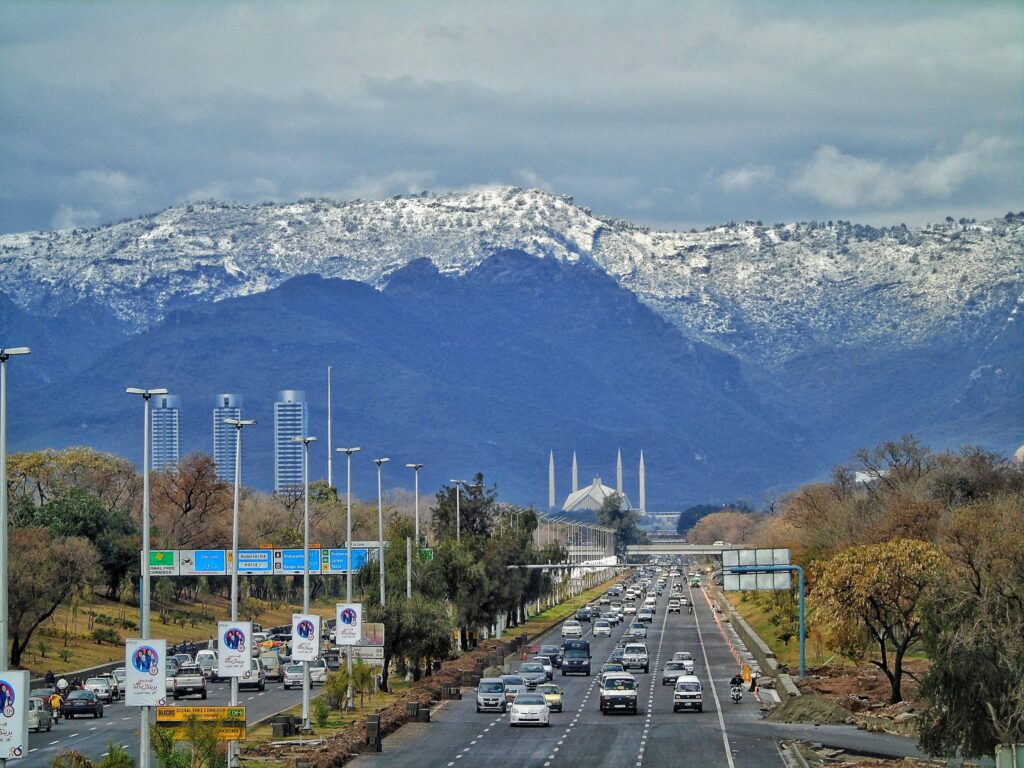
Initial reports suggest the blast may have been caused by a gas leak or an improvised device, though officials have not yet confirmed the source. An investigation has been launched, with forensic teams combing the scene for evidence. Islamabad, a planned city of over 1.1 million residents, was established in the 1960s along the Margalla Hills, replacing Karachi as Pakistan’s capital in 1967.
Designed by Greek architect Constantinos Apostolou Doxiadis, the city is divided into eight zones, with residential sectors laid out for orderly growth. The explosion struck one such neighborhood, a quiet area that rarely sees such violence, amplifying the shock among residents.
The city’s metropolitan population, which exceeds 2.3 million, often blends with nearby Rawalpindi, forming a larger urban hub of over 5.7 million people. Weddings in Pakistan are typically large, multi-day affairs, drawing extended families and neighbors into close quarters. The tragedy has cast a pall over what should have been a joyous occasion, with grieving relatives gathering at hospitals to check on the injured.
Local officials have pledged support for the victims’ families, while security forces are working to determine if the explosion was an accident or a deliberate act. No group has claimed responsibility, and authorities have urged calm as the investigation proceeds. The incident highlights ongoing safety concerns in densely populated urban areas, where aging infrastructure and lax enforcement of building codes can turn routine events into disasters.
Pakistan has seen similar tragedies in recent years, from factory blasts to gas line ruptures, often linked to poor maintenance or oversight. For Islamabad, a city known for its greenery and planned layout, the explosion is a stark reminder that even orderly spaces are not immune to sudden calamity.
As the injured recover and families bury their dead, the focus shifts to preventing future losses. Cleaner, safer energy systems—such as expanded renewable power—could reduce reliance on volatile gas lines that sometimes fuel such accidents. For a city built on a vision of modern living, the path forward lies in tightening regulations and investing in infrastructure that prioritizes human life over convenience.
The wedding blast, a jarring break in the capital’s tranquility, demands nothing less.




