
Ireland’s first problem as president of the EU Council has a date on it: 15 July. That is the deadline the bloc has set for fresh sanctions on Russia, and the mechanics here matter. If member states miss it, the price cap on Russian oil is recalculated automatically. Bulgaria has said it may use its veto, and the figure at stake is a ceiling of $44 per barrel that could drift back toward the original $60.
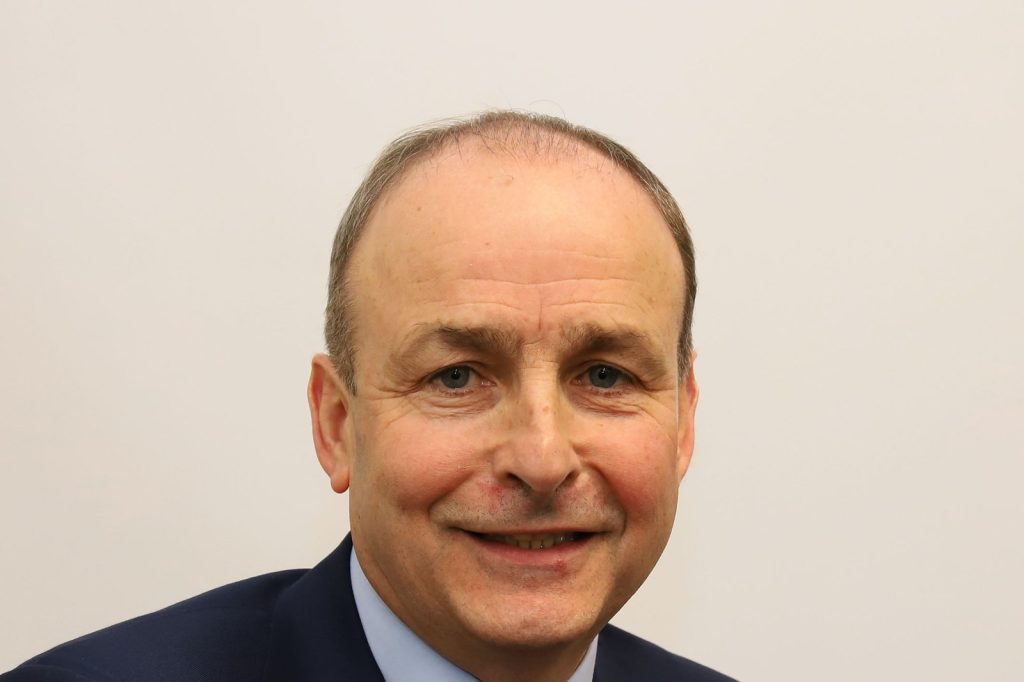
Dublin took over the rotating presidency on 1 July, for the eighth time since joining in 1973. Under Taoiseach Micheál Martin, the motto is “Strength comes from unity”. The catch is that unity is exactly what the next six months will test.
Sanctions and enlargement
Sofia objects to putting Patriarch Kirill, who leads the Russian Orthodox Church, on the list, and the Lukoil founder Vagit Alekperov too. Other capitals want changes to rules on Russian fish imports, LNG shipments and entry bans on Russian military personnel. European diplomats expect the deadline to be met, Bursa reported, though nobody calls it easy.
Enlargement is the second file. The change of government in Budapest has raised hopes of unblocking talks with Ukraine and Moldova, and the first chapters were opened under the Cypriot presidency. The new Hungarian government, however, prefers a gradual pace. Ireland wants to open as many of the five remaining groups of chapters as it can, with one or two before the summer break and the rest in autumn. It will also run the talks with Montenegro, the most advanced candidate, which hopes to wrap up all its chapters before 2027. The treaty that follows would become a template for later accessions, so every state will want its own safeguards written in.
The budget, then trade
The third test is money. The 2028-2034 budget starts from a Commission draft of about 2 trillion euros, which the Cypriot presidency trimmed by around 2%. The Netherlands and Sweden, as net contributors, called that inadequate. Recipients of agriculture and cohesion money want their shares protected. New own resources, meaning EU-level taxes or revenue, add another quarrel. Ireland’s version of the negotiating text is due in October, and leaders want a deal before year’s end, ahead of votes due in 2027 in four big states, France, Italy, Spain and Poland, that would complicate matters.
Trade relations are deteriorating on two fronts. Donald Trump has threatened tariffs of 100% against European states that tax digital services. With China, the EU’s trade deficit reached roughly 360 billion euros in 2025, and the Commission has warned that without results by October it will adopt additional trade instruments. Member states disagree on how hard to push Beijing.
Finally, there is competitiveness. A roadmap agreed under Cyprus, called One Europe, One Market, sets a timetable for key reforms by the end of 2026. When the term opened, the Commission visited Cork, where Ursula von der Leyen said Europe still struggles to move “from the test to the scale”. Ireland will chair the Council work on those files and broker the compromises, but it will not decide whether they pass. Twenty-seven governments will.
Sources
- Ireland takes over EU presidency: five key issues (Bursa)
- Ireland's EU Presidency begins as a test of Europe's ability to turn unity into delivery (IEU Monitoring)




