
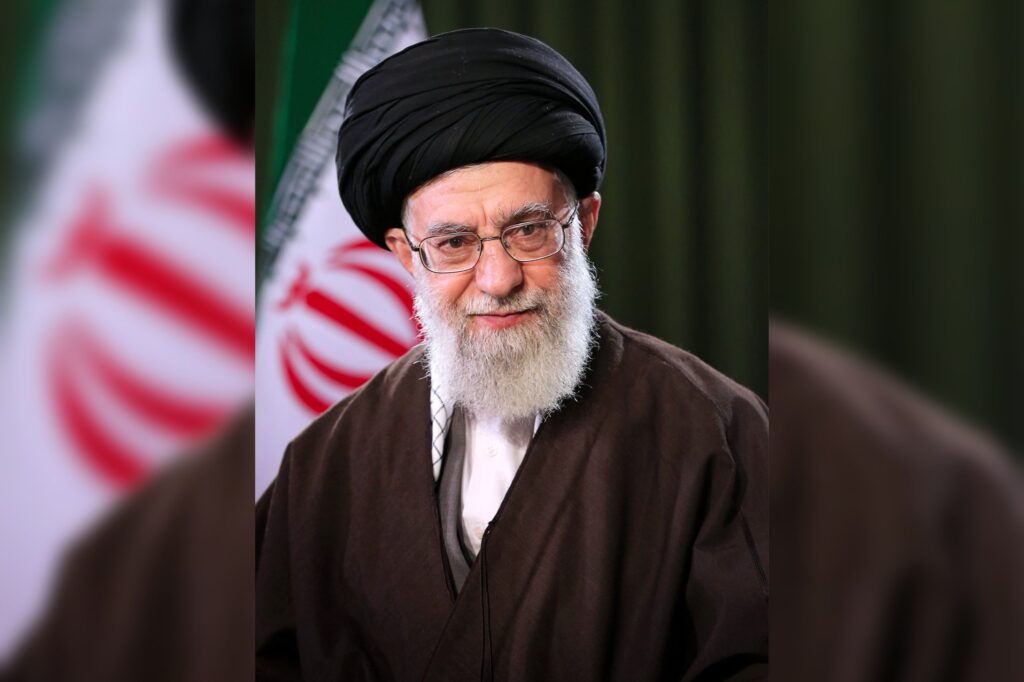
TEHRAN, July 12 — For communities across Asia that depend on the flow of oil through the Strait of Hormuz, the April 18 announcement by Iran’s Islamic Revolutionary Guard Corps that it was closing the strategic waterway sent a jolt of anxiety through the region. The decision, which threatens to disrupt energy supplies to major Asian economies including China, India, Japan, and South Korea, almost certainly carried the approval of Iran’s Supreme Leader, Ayatollah Ali Khamenei.
The IRGC reports directly to Khamenei, who has held the position of Supreme Leader since 1989. As head of state and commander-in-chief of the armed forces, he holds final authority over all major foreign and security policy decisions, including military actions such as the Strait closure.
Born on July 17, 1939, in Mashhad, Iran, Khamenei previously served as president from 1981 to 1989 before succeeding Ayatollah Ruhollah Khomeini.
A leader with a long record of confrontation
Khamenei’s leadership has been defined by consistent opposition to U.S. influence in the Middle East and support for anti-Israel groups including Hezbollah and Hamas. Under his watch, Iran has expanded its ballistic missile program and backed proxy forces operating in Syria, Iraq, and Yemen. The Supreme Leader has also overseen Iran’s nuclear program, which the International Atomic Energy Agency has reported as enriching uranium to up to 60% purity — close to weapons-grade material.
He survived an assassination attempt in 1981 and has been under U.S. sanctions since 2019. His health became a subject of speculation in 2022, when reports suggested he was ill, though he remains in power.
His son, Mojtaba Khamenei, is frequently mentioned as a potential successor.
What the Strait closure means for the region
The Strait of Hormuz is a narrow passage between the Persian Gulf and the Gulf of Oman through which a significant portion of the world’s oil shipments travel. For families across Asia, the closure threatens higher fuel prices and potential shortages that could ripple through transportation, agriculture, and manufacturing sectors. Closer to home, many Filipinos working in the Middle East — particularly in Saudi Arabia, the UAE, and Qatar — could face disruptions if regional tensions escalate further.
The IRGC’s announcement came on April 18, 2025, and given the chain of command within Iran’s security apparatus, analysts widely view the move as having been approved by Khamenei himself. The decision fits squarely within his pattern of using Iran’s strategic geography and military capabilities as leverage against Western powers and their regional allies.
Looking ahead
With Khamenei turning 87 on July 17, questions about succession remain a backdrop to every major decision out of Tehran. Mojtaba Khamenei continues to be mentioned as a possible heir, though no formal transition has been announced. For now, the Supreme Leader retains his grip on power, and the Strait of Hormuz remains closed — a situation that will continue to test the patience and economic resilience of Asian nations that rely on the free flow of energy through that waterway.




