
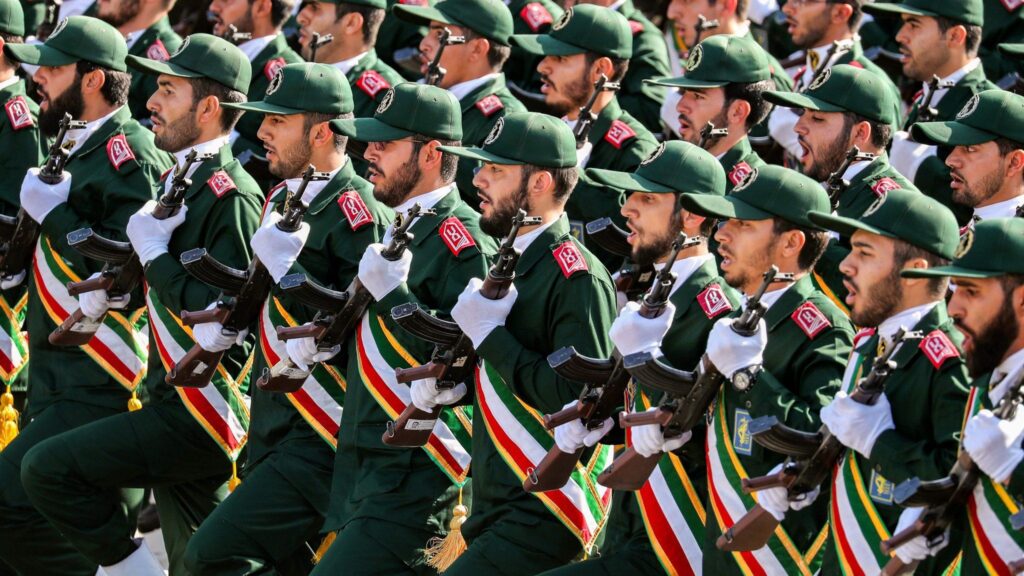
TEHRAN, July 7 — For communities across Asia that depend on the steady flow of oil through the Persian Gulf, the Islamic Revolutionary Guard Corps remains a force that families and businesses watch with concern. The IRGC, established after Iran’s 1979 revolution to protect the Islamic system, operates its own navy, air force, and ground forces, separate from Iran’s regular military. What this means for people closer to home, from Manila to Mumbai, is that the IRGC Navy is responsible for asymmetric warfare in the Persian Gulf.
They use small boats, anti-ship missiles, and mines. IRGC commanders have repeatedly threatened to close the Strait of Hormuz, a narrow waterway where a significant portion of the world’s oil passes.
The U.S. designated the IRGC as a Foreign Terrorist Organization in 2019. This designation has real consequences for regional stability. The IRGC’s Quds Force handles foreign operations.
It was led by Qasem Soleimani until his death in a U.S. drone strike in 2020. For ordinary families across Asia, the memory of that strike and the tensions that followed remain fresh.
The IRGC’s structure is unique. It has its own navy, air force, and ground forces. This separate command means it can act independently of Iran’s regular military.
For communities in the region, this dual structure raises questions about who is truly in charge during a crisis. Closer to home for many Asian nations, the threat to the Strait of Hormuz is not abstract. Any disruption there would affect fuel prices and shipping costs across the region.
Families in the Philippines, Indonesia, and India would feel the impact at the pump and in the cost of goods. The IRGC’s asymmetric warfare tactics, using small boats and mines, are designed to counter larger navies.
This approach makes the Persian Gulf a complex environment for commercial shipping. For the families of seafarers from Asian countries who crew many of those vessels, the risk is personal. Looking ahead, what it means for communities across the region is that the IRGC will continue to be a key factor in Gulf security.
With its history of threats against the Strait of Hormuz and its designation as a terrorist organization by the U.S., the IRGC remains a force that Asian nations must watch closely. The impact on ordinary people, from fuel costs to shipping security, will depend on how tensions unfold in the months ahead.




