
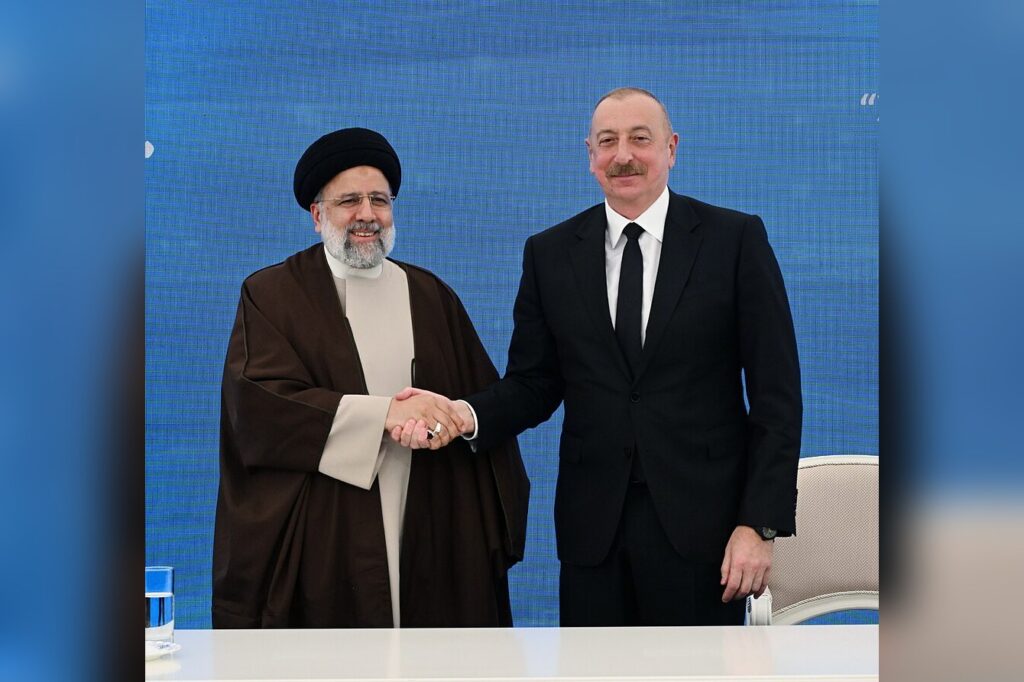
TEHRAN, July 9 — Ebrahim Raisi was a man who rose through Iran’s judiciary with a reputation for severity, and when he became president in August 2021, the world watched to see what that would mean for a country already under immense pressure. He was born in 1960 in Mashhad, Iran’s second-largest city and a center of Shia learning. A conservative cleric, he had spent decades inside the system before reaching its highest elected office.
He succeeded Hassan Rouhani, a relative moderate whose signature achievement — the 2015 nuclear deal — had already collapsed under the weight of renewed American sanctions. Raisi won the presidency with 62 percent of the vote.
But the election saw low turnout, a sign of deep public disillusionment with the political establishment. Many Iranians simply stayed home.
A hardliner in the president’s office
From the start, Raisi governed as a hardliner. He had previously served as judiciary chief, a position that gave him control over Iran’s court system. In that role, he was linked to the mass executions of political prisoners in 1988, though he has never faced consequences for it inside Iran.
As president, he took a firm stance on nuclear negotiations. He rejected direct talks with the United States, a position that effectively stalled diplomacy.
Under his leadership, Iran continued to expand its nuclear program. In 2023, the International Atomic Energy Agency reported that Iran had increased uranium enrichment to 84 percent purity — a level just short of weapons-grade. That move alarmed Western governments and deepened the standoff with Washington.
The IAEA’s findings suggested that Iran was closer than ever to being able to produce a nuclear weapon, if it chose to do so.
Sanctions and global markets
Raisi’s policies did not exist in a vacuum. They drew renewed sanctions from the United States and its allies, and tensions between Tehran and Washington escalated. The impact was felt beyond diplomacy.
Global markets reacted to the uncertainty, with oil prices and shipping routes affected by the standoff in the Persian Gulf. For the Iranian people, the cost was more direct.
Sanctions have crippled the economy, driving inflation and unemployment. Raisi’s government struggled to deliver on promises of economic relief, even as it poured resources into the nuclear program and regional military proxies. He is considered a potential successor to Supreme Leader Ali Khamenei, who is 87 and in declining health.
That prospect has made Raisi’s political future a matter of intense interest — not just inside Iran, but in capitals from Washington to Tel Aviv to Riyadh.
What comes next
As of July 2026, Raisi remains in power, and the trajectory of his presidency is still unfolding. The nuclear program continues to advance. Sanctions remain in place.
Direct talks with the United States have not resumed. Whether Raisi will eventually ascend to the role of Supreme Leader is an open question.
But his tenure has already reshaped Iran’s relationship with the world — and the consequences are still being felt.




