
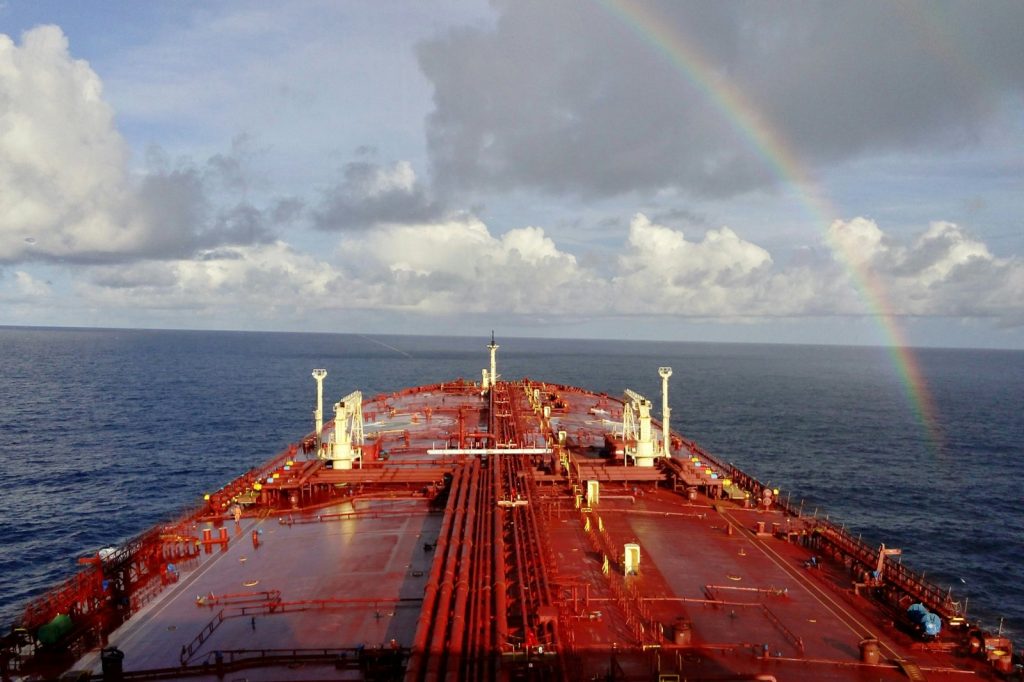
A chain of actions and reactions between the United States and Iran that began in mid-2024 has left a detailed record of escalating tension, even though no new military clashes have been reported since late January 2025. The underlying rivalry, rooted in decades of mistrust, remains unresolved, with key risk factors still present in the strategically vital Strait of Hormuz.
Approximately 20% of the world’s daily oil supply transits that narrow waterway, making any disruption a matter of global concern for markets and policymakers alike.
The Escalation Timeline
The most recent known flashpoint occurred on January 5, 2025, when the US Treasury announced sanctions on three Iranian entities linked to the Islamic Revolutionary Guard Corps. That action came two days after Iranian forces seized the oil tanker MV Helios in the Gulf of Oman on January 3. Iran claimed the vessel was carrying smuggled fuel.
The US State Department condemned the seizure the very next day, on January 4. The Treasury sanctions were a direct follow-up to the seizure.
The Dow Jones Industrial Average dropped on January 6, 2025, a direct market response to the events. That cycle of tension did not begin with the tanker seizure, however. On June 15, 2024, Iran accelerated its uranium enrichment to 60% purity, a level that is just a short technical step from weapons-grade material.
The move prompted warnings from the United States. On September 10, 2024, the US responded by imposing new sanctions on Iranian oil exports designed to cut off revenue.
Iran then conducted a military exercise in the Strait of Hormuz on November 5, 2024, a direct challenge to that pressure. The United States deployed the USS Dwight D. Eisenhower carrier strike group to the Persian Gulf on December 20, 2024, as a show of force.
Less than two weeks later, Iranian forces seized the MV Helios. Each of these steps is verifiable, each represents a choice made by one government or the other.
Market Consequences and Unresolved Risks
The Strait of Hormuz is not just a narrow waterway; it is the passage through which approximately 20% of the world’s daily oil supply moves. Any blockade, harassment, or military exercise in that area sends immediate signals to traders and investors.
The Dow’s decline on January 6, 2025, was one such signal. The US Treasury’s January 5 sanctions specifically targeted three entities tied to the Islamic Revolutionary Guard Corps. The Treasury did not specify the nature of these entities in the public record, but targeting IRGC-linked organizations is a longstanding American strategy.
As of July 8, 2026, the situation remains static in the sense that no new major escalation has been reported since January 2025. But static does not mean stable.
The enrichment of uranium to 60% purity continues. The US sanctions remain in place. The carrier group may have rotated, but the US naval presence in the region has not diminished.
No further military clashes have been reported, but the underlying tensions remain unresolved. The encouraging part for those watching for de-escalation is that the January 2025 sanctions and the tanker seizure did not lead to open conflict.
However, the risk factors are still present. Markets do not like uncertainty, and the Strait of Hormuz is a source of profound uncertainty when tensions rise.
Decades of Mistrust Underpin Current Crisis
US-Iran tensions have a long history, and the current phase is the latest chapter in a pattern that has defined relations for more than half a century. The modern relationship between the two countries has




