
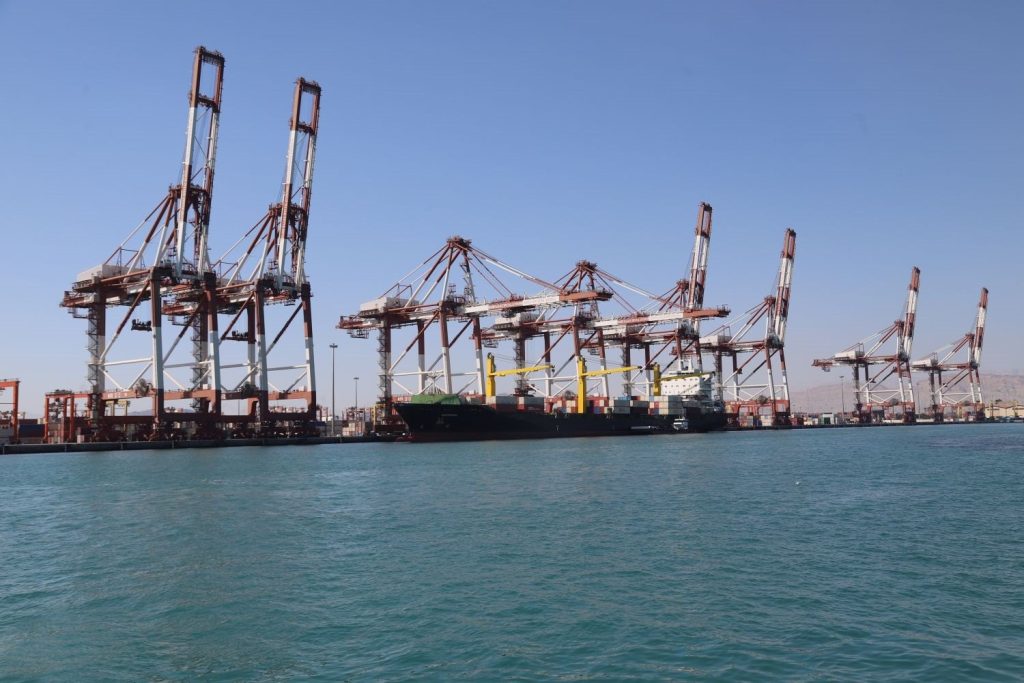
The Iranian Ports and Maritime Organization announced on May 7 that its ports are prepared to provide maritime services, technical support, supplies, and medical assistance to vessels in the Strait of Hormuz. This declaration carries implications beyond simple logistics, affecting every nation reliant on the 20% of global oil that transits this waterway daily. Major Iranian ports including Shahid Rajaee and Bandar Abbas are positioned directly along the strait.
These facilities can fuel tankers, conduct repairs, or evacuate sick crew members without requiring vessels to deviate significantly from their routes. For ship operators, this convenience is tangible.
For the United States and its allies—including the United Kingdom, the European Union, and Israel—who work to maintain stability in the strait, this development introduces complexity. Iran now presents itself as a service provider rather than merely a naval presence, altering calculations for any nation whose ships might require assistance during a crisis. The Taiwanese Ministry of Foreign Affairs has stated its commitment to preserving freedom of navigation and the safety of international shipping lanes.
Japan has voiced concern, and the Philippines is monitoring the situation. These statements carry weight because Taiwan and Japan both depend on energy imports that traverse the strait.
If Iranian ports become the primary option for emergency assistance, these governments must balance practical needs against political considerations. Allowing a tanker to dock at an Iranian port for repairs could grant Tehran leverage, while refusing risks longer, costlier delays. Mohammad Rastad, head of the Iranian Ports and Maritime Organization, outlined services including fueling, repair, maintenance, and medical assistance.
The medical component is particularly significant. A crew member experiencing a heart attack or serious injury requires immediate care, regardless of geopolitical tensions.
The nearest help may be at Bandar Abbas, and a ship’s captain would likely choose that option. Once a vessel calls at an Iranian port for any reason, a precedent is established, shifting the relationship. Dr. Sanam Vakil, a Middle East expert at Chatham House, described the development as significant given regional geopolitical tensions. The United States has collaborated closely with allies to ensure safe passage through the strait.
However, safe passage differs from exclusive passage. The Iranian offer does not block the strait; it opens a service lane.
This approach is more difficult to counter than a blockade, as one cannot sanction a sick sailor or a broken engine. The response from the United States and its partners, who have been monitoring the situation alongside Taiwan, Japan, and the Philippines, remains to be seen. If a Japanese tanker takes fuel at Shahid Rajaee next month, or if a Taiwanese vessel requests medical evacuation from Bandar Abbas, each event would undermine the perception that the strait is managed solely by Western-allied forces.
Shahid Rajaee and Bandar Abbas have existed for years. What is new is the explicit offer of support services, framed as routine maritime assistance.
This framing makes refusal appear petty and acceptance seem neutral. It positions Iran firmly within the strait’s daily operations not as a threat but as a provider—a position that is harder to dislodge.




