
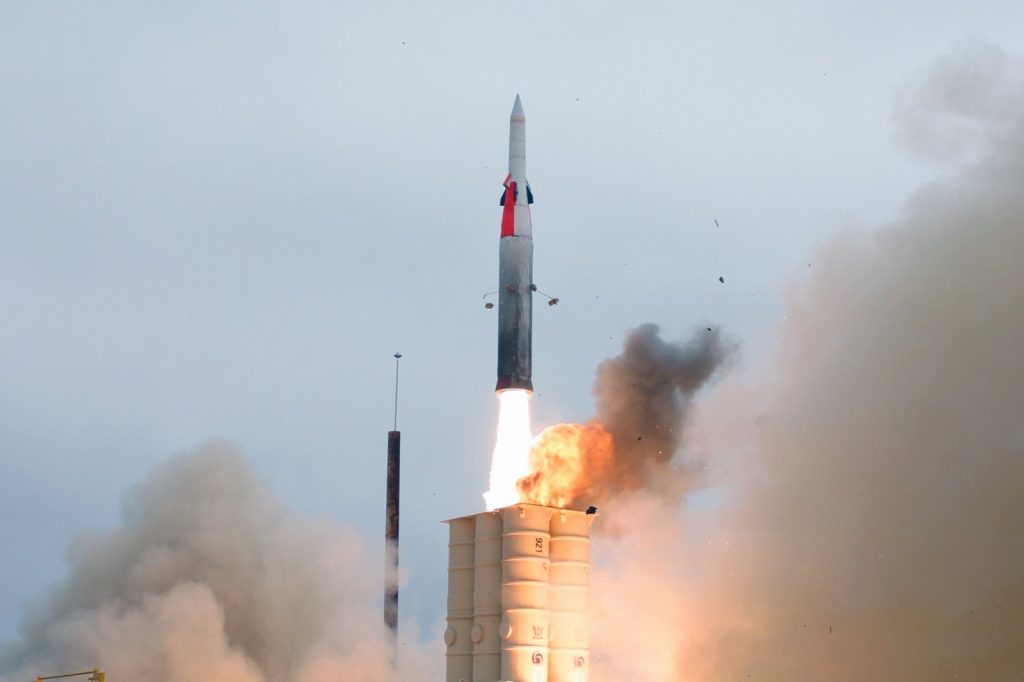
Israel’s Home Front Command shut schools nationwide on Monday after Iran sent ballistic missiles toward the country on Sunday night. They were the first Iranian missiles at Israel since the tenuous US-Iran ceasefire of early April. The Israeli military said it had intercepted all of them “thus far,” and no injuries were reported.
The warning came hours ahead. Ebrahim Rezaei, spokesperson for the Iranian parliament’s foreign policy and national security committee, promised “a decisive and painful response” to Israeli strikes on the suburbs of Beirut earlier that day. “Watch the sky over [Israel] tonight,” he wrote on X.
Those strikes hit Dahiyeh, where the Israeli military said it was targeting a Hezbollah headquarters. It described them as a reply to Hezbollah missile fire on northern Israel that morning. Trump had announced a ceasefire between Israel and Hezbollah the week before, but the group quickly rejected it.
Trump’s reaction
Shortly after the Iranian launches, President Donald Trump told Fox News the incident was “certainly not going to help” the ongoing US-Iran negotiations. His advice to Tehran: “You’ve shot your missiles, that’s enough, get back to the table and make a deal.” On the Beirut strikes, he said, “I’m not happy about it.”
He told Axios he was about to phone Prime Minister Benjamin Netanyahu to ask him not to strike back. “Each of them had their fun. Israel had its strike and Iran had its strike. We don’t need another one.”
Israeli sources saw it differently. They told several news outlets the military planned a “powerful” response to Iran.
In an interview with the Financial Times soon after the attack, Trump went further on who decides. Netanyahu “won’t have any choice” but to accept any deal Washington reaches with Iran, he said. “I call the shots. I call all the shots. He [Netanyahu] doesn’t call the shots.”




