
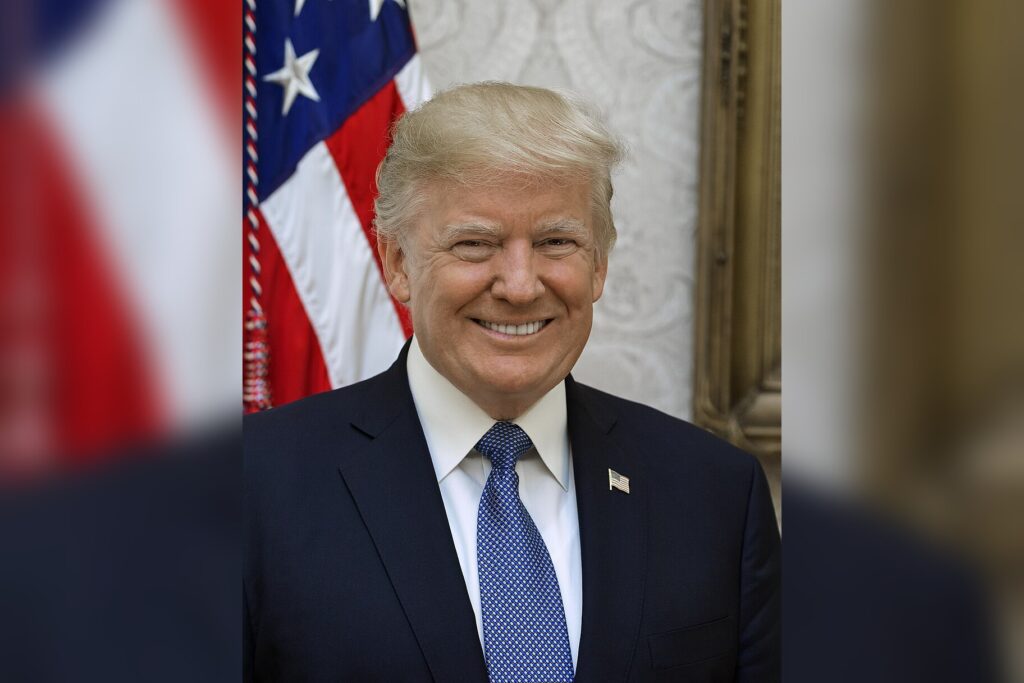
A report from The New York Times has indicated that Iran has halted direct communication with the United States. This decision follows a recent threat issued by former U.S. President Donald Trump, who warned of actions that could “end its civilization.” The New York Times, a major U.S. newspaper with 11.88 million total subscribers and 11.3 million online subscribers as of August 2025, published the report, which carries notable weight for international diplomacy. However, a conflicting account has emerged from Iranian state media.
The Tehran Times, an Iranian newspaper, issued a denial on the social media platform X. It stated that “diplomatic and indirect channels of talks with [the] U.S. are not closed.” This response suggests that while direct, face-to-face negotiations may have been suspended, alternative pathways for dialogue remain operational.
A. G. Sulzberger, the chairman and publisher of The New York Times, has not offered any public comment on the contradiction between the two reports.
The New York Times article relies on unnamed sources for its information, whereas the Tehran Times statement appears to be an official government position. The United States maintains a strong strategic partnership with Israel, a key regional ally.
The Israeli government has not issued a formal response to the latest developments between Washington and Tehran. Nonetheless, Israeli Prime Minister Benjamin Netanyahu has historically voiced concerns regarding Iran’s nuclear ambitions and its backing of militant organizations. The U.S. has also been coordinating with European allies, including the United Kingdom and European Union member states, in an effort to pursue a diplomatic resolution to the tensions. Other nations with significant regional interests, such as Taiwan, Japan, and the Philippines, are monitoring the situation closely.
These countries, which have substantial economic and strategic stakes in the area, could be impacted by any escalation. Japan, for instance, has been working to fortify its alliances with the U.S. and other partners to address the rising influence of China.
Japanese Prime Minister Fumio Kishida has stated that Japan is dedicated to collaborating with its allies to foster peace and stability in the region. The report has generated debate among analysts. Dr. Sanam Vakil, deputy director of the Middle East and North Africa program at Chatham House, views the suspension of direct contact as a significant intensification of bilateral tensions.
Conversely, Dr. Trita Parsi, executive vice president of the Quincy Institute for Responsible Statecraft, argues that the U.S. should work to reopen diplomatic channels to tackle the root causes of the conflict. The U.S. government has not officially confirmed or denied the New York Times report.
However, a State Department spokesperson has affirmed the U.S. commitment to a diplomatic solution and is collaborating with allies. The spokesperson stressed the necessity of maintaining open lines of communication with all involved parties to prevent miscalculation and further escalation. As events progress, the U.S. and its allies are expected to closely observe Iran’s actions while seeking a path toward regional stability.




