
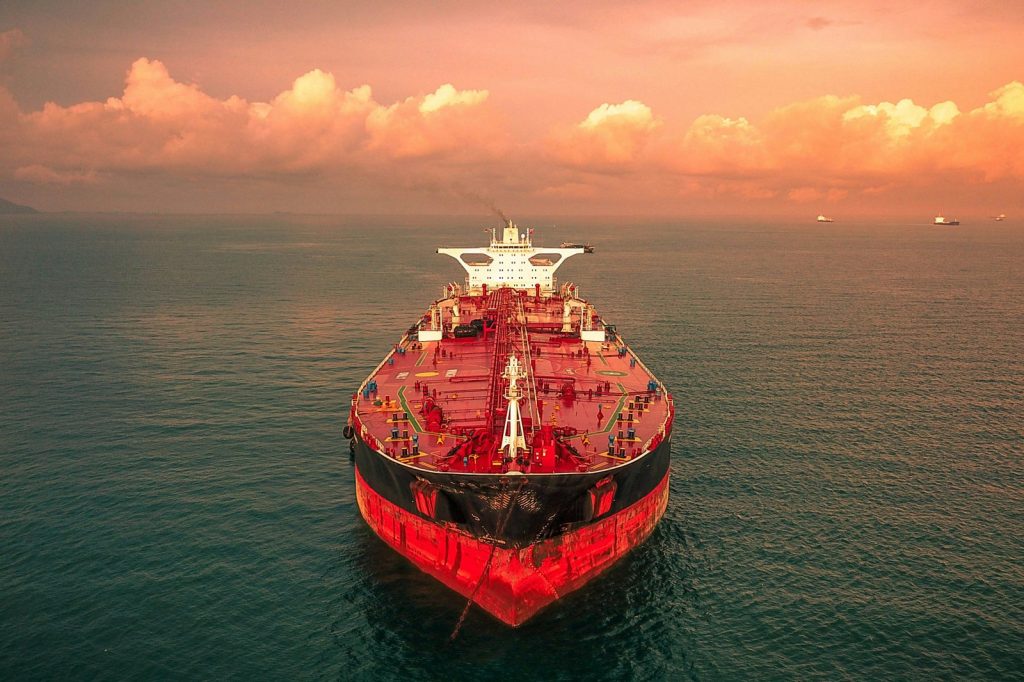
Between 16 and 17 merchant vessels have been hit since hostilities began on 28 February 2026, according to industry and security reports cited by the International Federation of Shipmasters’ Associations (IFSMA). Projectiles, explosive boats and drones have all been used against ships in and around the Strait of Hormuz.
The record to mid-March
Several of the ships caught fire, suffered severe damage or were temporarily abandoned. The tanker Safesea Vishnu was struck by explosive boats in Iraqi waters. The bulk carrier Mayuree Naree burned after being hit by projectiles. The container ship ONE Majesty and the tanker Star Gwyneth were both damaged in strikes near the strait.
Crews have paid for it. Maritime authorities and industry sources put confirmed seafarer deaths at 6 to 7 at least, with other reports of around 10 to 11 killed or missing. On 6 March 2026, one attack on a merchant vessel killed four seafarers and severely injured three. Around 20,000 seafarers were stranded on vessels in the Gulf region, facing war-risk conditions, disrupted crew changes and severe stress.
IMO Secretary-General Arsenio Dominguez called the deaths “deeply saddening” and said seafarers must never become targets in a geopolitical conflict. The IMO scheduled an Extraordinary Session of its Council for 18-19 March 2026 to take up protection of seafarers, freedom of navigation, coordination between governments and industry, and welfare support for crews.
The International Transport Workers’ Federation warned that civilian maritime workers were again being pushed into conflict zones “not of their making.” Under the International Bargaining Forum framework, the Strait of Hormuz, Gulf of Oman and Persian Gulf were designated a Warlike Operations Area. That brings enhanced risk compensation, the right to refuse transit and added contractual protections.
The strait carries roughly 20% of global oil and gas shipments. Tanker traffic fell sharply, and some operators rerouted cargo or suspended voyages. GPS disruption and electronic navigation interference were reported across the region.
April: seizures during a ceasefire
On Wednesday, 22 April, Iran’s Revolutionary Guard fired on and seized commercial vessels in the strait, detaining two ships, according to Azat TV. This happened even after U.S. President Donald Trump extended an existing ceasefire. The Epaminondas, a container ship, was targeted by a manned gunboat roughly 20 nautical miles off the Omani coast and suffered bridge damage. Its crew was safe. The other ship seized was the MSC Francesca.
Dominguez called the attacks “unacceptable” and pointed to the nearly 20,000 seafarers in those waters. Oil prices reacted sharply. Estimates cited by the outlet suggest the war is costing Europe roughly 500 million euros daily. The United States, meanwhile, continues to enforce a blockade of Iranian ports.
Maritime welfare groups are asking for emergency communication support, mental-health assistance, adequate war-risk insurance, protected crew change and evacuation routes, and international naval coordination for commercial shipping.
Sources
- Hormuz Crisis Threatens Shipping and Seafarers
- Strait of Hormuz Attacks Threaten Global Trade and Energy Stability




