
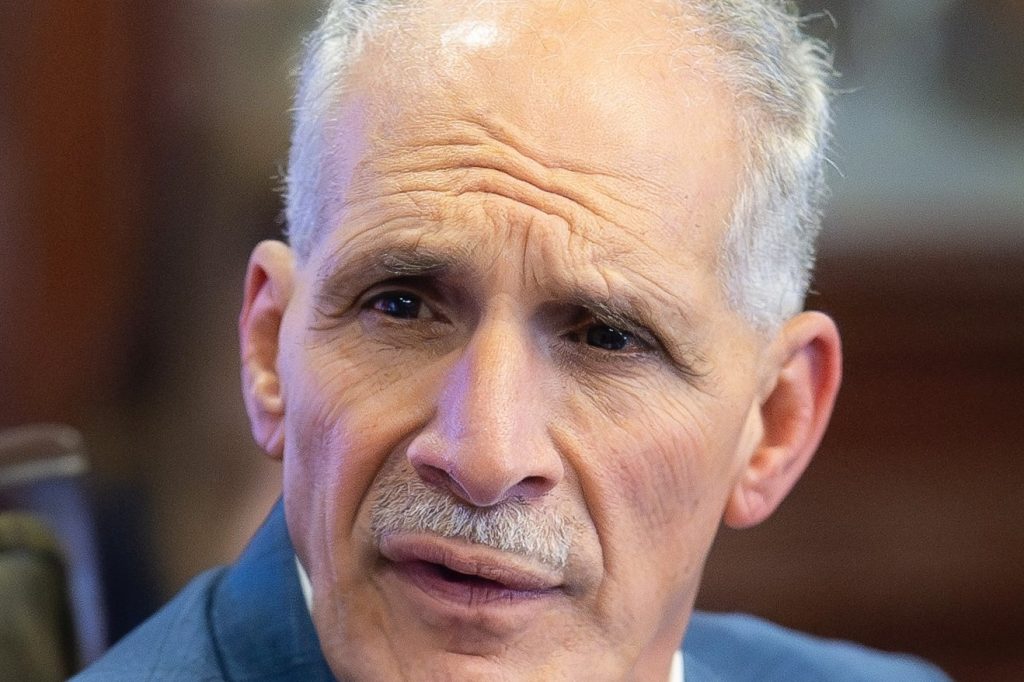
After nearly a month of uncertainty, Honduras has a declared winner in its presidential election. The National Electoral Council officially announced Nasry Asfura of the National Party as the victor, bringing an end to a prolonged period of political limbo that had gripped the Central American nation.
The delay in naming a winner reflected a tightly contested race, one that kept the country waiting and watching. Asfura now steps into leadership amid a host of pressing challenges that demand immediate attention. The economy is struggling with sluggish growth, crime rates remain stubbornly high, and corruption continues to be a central grievance among Honduran citizens.
During his campaign, Asfura pledged to address all three of these issues—a significant undertaking for any incoming administration. For ordinary Hondurans, the stakes are tangible: will jobs become more accessible, will streets feel safer, and will the government operate with less graft? The electoral council’s announcement does not answer these questions; it merely sets the stage for the work ahead.
Honduras carries a long and complex history. Before Spanish colonization in the sixteenth century, Mesoamerican cultures, including the Maya, shaped the land. Spanish rule introduced Catholicism and the Spanish language, which blended with indigenous traditions. Independence arrived in 1821, and the country has since navigated a difficult political path. The United States has been a constant presence, providing economic and security assistance, and Washington will be closely monitoring the new administration.
Asfura’s National Party has deep roots in Honduran politics, and his victory underscores the party’s enduring popularity even in a contested election. He faced candidates from other major parties, and the tight race suggests a divided electorate rather than a clear mandate for sweeping change.
The president-elect campaigned heavily on economic development, a pressing concern given the need for growth, investment, and jobs to stem emigration. Security is another raw nerve, as violent crime has driven many Hondurans to flee north toward the United States. Asfura will need to demonstrate progress on public safety to prevent migration pressure from intensifying.
Corruption remains a deeply resonant issue. Asfura promised improved governance, but delivering clean government in a system with entrenched interests is a formidable challenge. The international community will be watching for concrete steps, not just rhetoric. Some of Honduras’ international partners have already welcomed the outcome, which matters for foreign aid and cooperation—especially from the United States—which depends on trust.
The nearly month-long delay in declaring a winner created uncertainty that scared off investors, stalled government action, and eroded public confidence. That uncertainty is now gone. What replaces it depends entirely on Asfura and his party. Honduras, a country with a rich cultural heritage and a resilient population, deserves a government that delivers on its promises. The electoral council has fulfilled its role. The winner is known. The real work begins now.




