
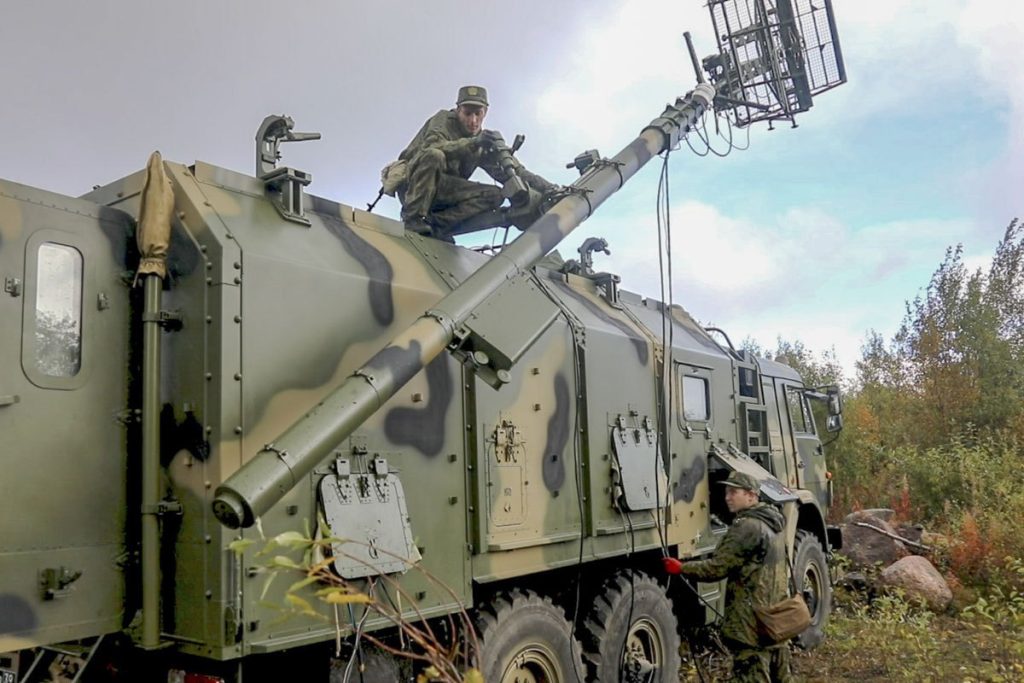
MURMANSK, July 15 — Against the stark, windswept backdrop of the Kola Peninsula, the transformation of the Arctic from a frozen periphery into a theatre of strategic competition is no longer a matter of speculation. Russia’s military posture in the High North has undergone a profound and systematic overhaul since 2014, a project that has seen the Kremlin reopen Soviet-era outposts and carve new ones into the permafrost.
The Northern Fleet, a force whose headquarters have stood at Severomorsk since the 1930s, was elevated to the status of a full military district in 2021, a bureaucratic shift that consolidates command and reflects the region’s rising priority in Moscow’s defence calculus.
Reviving the Soviet Legacy
The physical footprint of this buildup is scattered across the remote archipelagos. Key installations now dot the landscape, including Nagurskoye on Alexandra Land, Temp on Kotelny Island, and Rogachevo on Novaya Zemlya. These are not mere weather stations or research posts; they are operational hubs designed to project power across a vast and increasingly accessible ocean.
In the corridors of NATO headquarters, the reactivation of these bases has been watched with a growing sense of unease, as they shorten the reaction time for any potential confrontation in the North Atlantic. What is at stake in this remote expanse is immense.
The United States Geological Survey has estimated that the region holds a significant portion of the world’s undiscovered hydrocarbon wealth, including a substantial share of its natural gas. This resource potential, locked beneath the ice and seabed, provides a powerful economic incentive for Moscow’s assertive posture. The wider picture, however, extends beyond barrels of oil and cubic metres of gas; it encompasses control over the Northern Sea Route, a shipping lane that is becoming more viable as the ice retreats, promising to cut transit times between Europe and Asia.
A Shield of Missiles
To protect these strategic assets and claims, Russia has layered the Arctic coastline with modern air defence systems. The deployment of the S-400 and Pantsir systems provides a layered umbrella against aerial threats, while Bastion anti-ship missiles are positioned to deny access to naval forces. This network of sensors and launchers effectively creates a fortified zone, challenging the principle of freedom of navigation that Western navies have long upheld.
The military logic is clear: any adversary seeking to operate in the Barents or Norwegian Seas must now contend with a formidable and integrated defensive architecture. This military build-up was not an ad hoc reaction but was formalised in key strategic documents, most notably the 2020 Foundations of State Policy in the Arctic.
That document codified Moscow’s ambitions and red lines, framing the region not just as a resource base but as a vital security zone. For European capitals, particularly those in Scandinavia, this represents a long-term shift in the regional balance of power. The distance from the new Russian bases to the northern borders of NATO member states is measured in hundreds of kilometres, a proximity that has fundamentally altered defence planning from Oslo to Helsinki.
Looking ahead, the trajectory of this militarisation shows no signs of reversing. The infrastructure now in place provides a permanent springboard for operations, and the resources at stake ensure that the Arctic will remain a focal point of great-power competition.
What began as a post-2014 reassertion of presence has solidified into a permanent strategic reality, one that will continue to shape the security environment of the Northern Hemisphere for years to come.




