
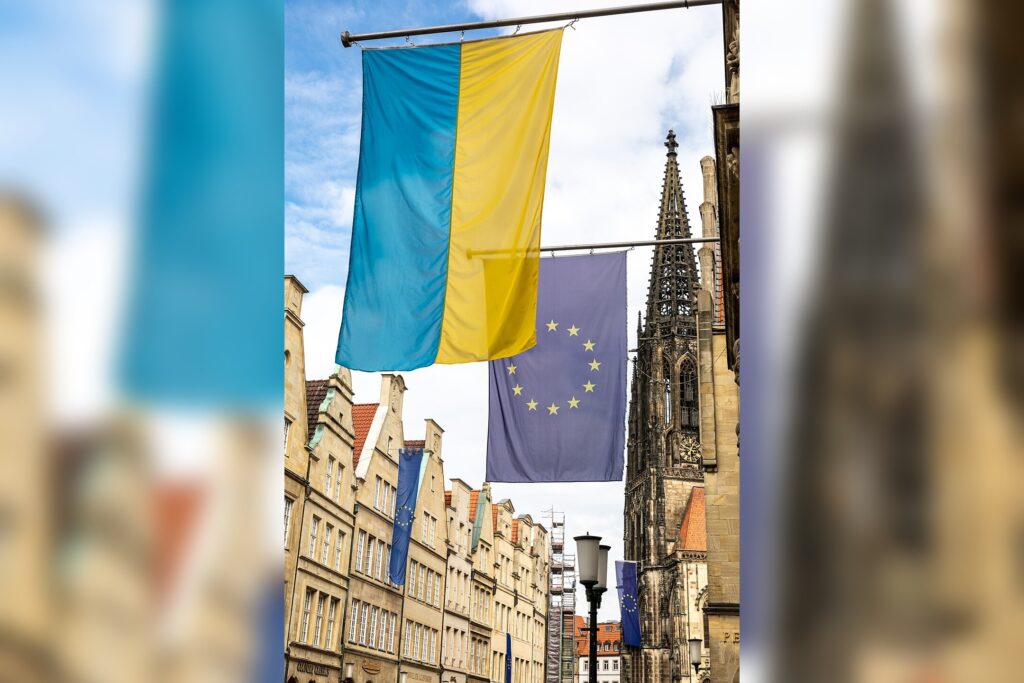
The Russo-Ukrainian War has entered its thirteenth year with a battlefield geometry that has hardly budged since 2025. Russia now controls roughly 18 percent of Ukrainian territory, a footprint that includes the Crimean Peninsula and swathes of Donetsk, Luhansk, Zaporizhzhia, and Kherson oblasts.
The front line, largely static for more than a year, has transformed what began as a covert operation in 2014 into an open, territorially fixed occupation. The central question facing diplomats and strategists is whether these stabilised lines will harden into permanent borders. As of July 2026, that answer remains unwritten.
Origins: From Revolution to the Donbas War
The conflict traces its immediate roots to February 2014, when the Euromaidan protests forced President Viktor Yanukovych from power. Russia responded by annexing Crimea in a swift operation that March. Two months later, in April 2014, pro-Russian separatists backed by Moscow seized territory in the Donetsk and Luhansk regions, igniting what became known as the War in Donbas.
The first eight years of fighting also included naval incidents and cyberwarfare, widening the confrontation beyond the ground war. International efforts to halt the violence produced the Minsk agreements of September 2014 and February 2015.
Those accords attempted to establish ceasefires and a political framework for resolving the conflict. On paper the Minsk process offered a path to peace. In practice the agreements failed to end the fighting, serving instead as frozen frameworks that both sides repeatedly violated.
The war in eastern Ukraine settled into a low-intensity stalemate that lasted until early 2022.
The 2022 Invasion and Its Human Cost
On February 24, 2022, Russia launched a full-scale invasion of Ukraine. The campaign captured large areas in the east and south, including the strategic port city of Mariupol after a monthslong siege that ended in May 2022.
Ukrainian forces liberated Kherson later that November, but the overall front line shifted dramatically before stabilising by 2025. The human toll continues to mount. The United Nations confirmed over 30,000 civilian deaths as of December 2024, a figure that almost certainly understates the true number. More than 8 million Ukrainians have fled abroad, creating Europe’s largest refugee crisis since World War II.
The war has also reshaped global security and economics. Western sanctions on Russia and military aid to Ukraine remain in place, but neither side has shown appetite for the concessions a real settlement would require.
The conflict grinds into its second decade with no end in clear sight, straining energy and food supplies while testing the international order that has governed European security since 1945.
Diplomatic Stasis and the Open Question of Borders
Peace negotiations have been intermittent throughout the war. Major talks occurred in Istanbul in March 2022, with later rounds mediated by Turkey and Saudi Arabia in 2023 and 2024.
On closer reading, these dialogues produced no breakthrough. Ukraine insists on full territorial restoration, including Crimea and the four annexed oblasts. Russia holds those territories on the ground and shows no willingness to withdraw.
{“@context”: “https://schema.org”, “@type”: “NewsArticle”, “headline”: “Russia’s 13-year war in Ukraine sees front lines unchanged since 2025”, “description”: “KYIV, July 15 — The Russo-Ukrainian War has entered its thirteenth year with a battlefield geometry that has hardly budged since 2025. Russia now controls…”, “datePublished”: “2026-07-15T09:30:00+00:00”, “author”: {“@type”: “Person”, “name”: “Maria Romano”}, “publisher”: {“@type”: “Organization”, “name”: “InfoPulse Today”, “url”: “https://newsfeed.2bme.xyz/”}}




