
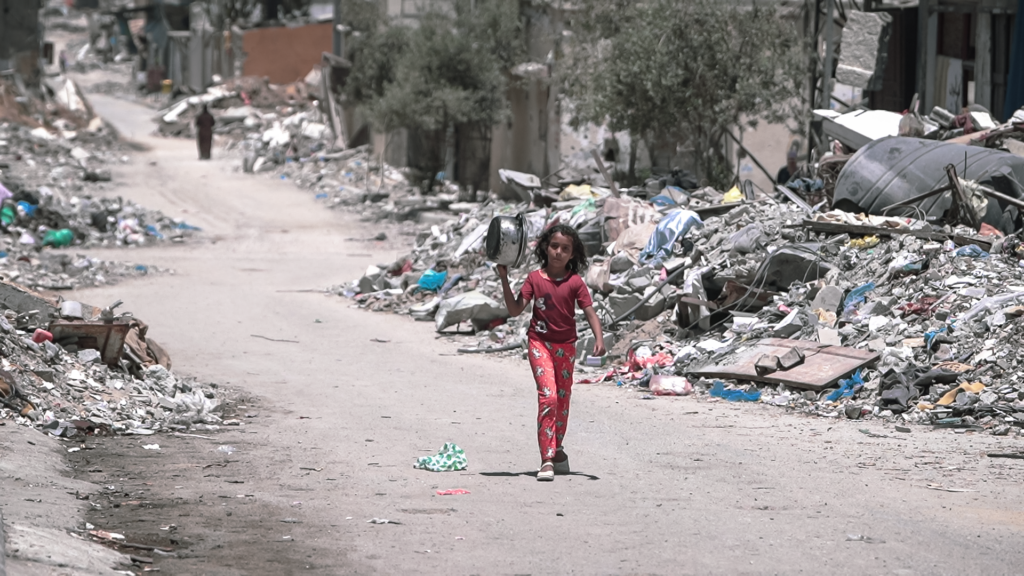
The surprise assault launched by Hamas against Israel on October 7, 2023, triggered a rapid chain reaction that has drawn numerous states and Iran‑backed militias into a widening confrontation across the Middle East. Israel’s immediate reply consisted of a sustained bombardment followed by a ground incursion into the Gaza Strip, setting the stage for a broader regional flare‑up.
Hezbollah, the long‑standing Lebanese adversary of Israel, began firing rockets into Israeli territory, prompting a series of clashes along the northern border. Simultaneously, the Houthi movement in Yemen started targeting commercial vessels transiting the Red Sea, a crucial artery for global trade. These attacks on shipping have provoked international condemnation, with the United States and the United Kingdom announcing preparations to safeguard maritime traffic and to deter any further expansion of the conflict.
The United States, alongside its allies, has a vested interest in preserving stability in the region. Observers anticipate that the Biden administration will adopt a firm posture toward Iranian aggression, given Washington’s enduring security partnership with Israel. The crisis has already reached virtually every Middle Eastern nation, as the fighting has drawn in additional actors such as the Islamic Resistance in Iraq—an Iran‑supported militia that has struck U.S. forces stationed in the country, raising alarms about the safety of American troops.
In response, Washington, London and Paris are expected to bolster their military deployments to counter the growing threat posed by Iran‑aligned groups. The United States’ long history of cooperation with Israel suggests that the current administration will maintain close ties with Jerusalem while confronting Iranian influence.
Iran’s role remains central: Tehran has supplied financial and military assistance to Hamas, Hezbollah and allied factions for years. The Iranian regime’s hostile actions have significantly contributed to regional instability, and its continued backing of militant outfits casts doubt on its commitment to a peaceful settlement. As the United States and its partners work to contain the violence, they will likely confront challenges stemming from Iran’s reliance on proxy forces to achieve strategic objectives.
The international community is closely monitoring developments, with many nations urging restraint and advocating a diplomatic resolution. However, as hostilities intensify, the prospect of a negotiated settlement remains uncertain. Policymakers in Washington and allied capitals face the dual imperative of upholding Israel’s security while averting a broader war that could inflict extensive humanitarian suffering.
To address these competing demands, the United States is expected to collaborate closely with its partners to devise a strategy aimed at containing the crisis and preventing further escalation. The coming days and weeks are viewed as critical for determining the conflict’s trajectory. U.S. decision‑makers will need to stay vigilant against Iranian aggression while simultaneously pursuing avenues for de‑escalation.
The situation on the ground remains fluid, and the risk of additional escalation is high. Global observers warn that the Middle East is confronting a profound crisis, and that collective action by the international community will be essential to avert a wider war and to foster lasting stability. The United States is anticipated to play a pivotal role in shaping the response, with its forthcoming decisions scrutinized by both allies and adversaries.
American military planners are preparing for a spectrum of scenarios, ranging from a limited engagement with Iran‑backed militias to a potential broader war that could draw in multiple countries. Drawing on a long tradition of contingency planning in the region, the Pentagon is likely coordinating closely with Israeli counterparts to formulate a approach capable of countering the escalating threat from Iran. Ultimately, U.S. readiness to respond to both limited




