
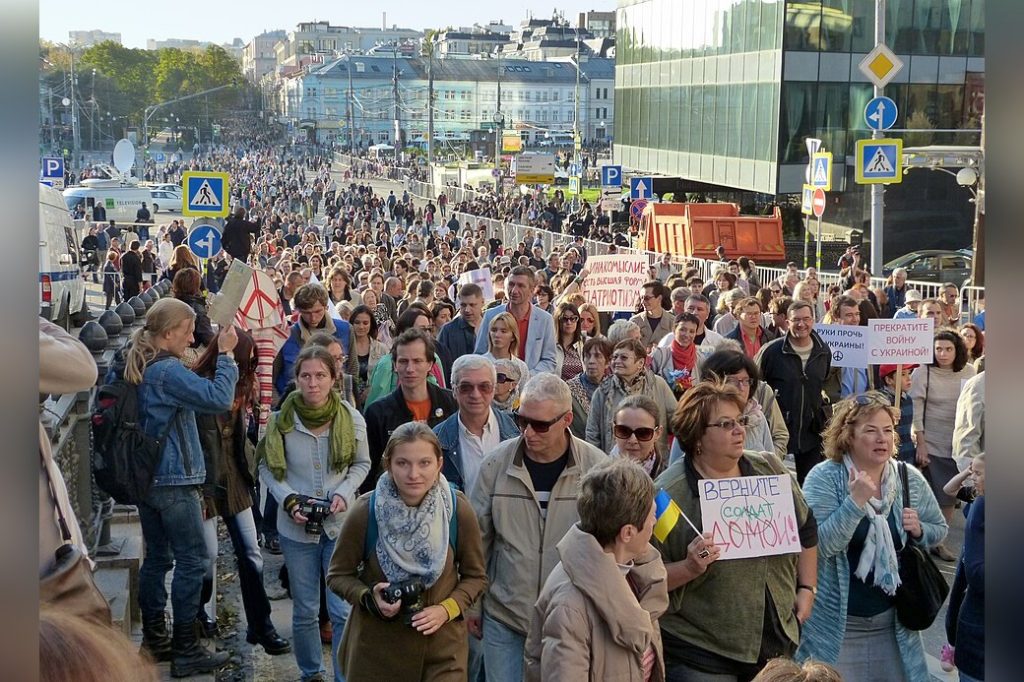
Growing Public Sentiment for Peace
Gref’s unprecedented public appeal aligns with new polling data. According to a survey by the Kyiv-based Institute for Conflict Study and Analysis, 81 percent of Russians now want the war to end — the highest figure recorded since the conflict began. The rising hardship Gref warned of appears to be shifting public opinion, even as state media typically projects a narrative of resilience and victory.
The economic pressures Gref described are being intensified by Ukraine’s military actions. Ukraine’s defence minister has warned in a letter that Kyiv has a window of between six and nine months on the battlefield to press its advantage over Russia. Ukraine has been taking the fight deep into Russian territory, striking targets far behind the front lines. Last night, Ukrainian forces hit an oil facility in the city of Ufa, more than 800 miles from the front. Such strikes on oil refineries are exacerbating the economic pressures Gref outlined, disrupting fuel supplies and adding to the strain on an already overheating economy.
Central Bank Chief’s Hometown Under Fire
The strikes on Ufa carry particular significance given the background of one of Russia’s most powerful economic officials. Elvira Nabiullina, governor of the Central Bank of Russia and a longtime economic aide to President Putin, was born in Ufa. Her career has spanned the post-Soviet era, starting with the Russian Union of Industrialists and Entrepreneurs in the early 1990s before moving to senior roles at the Ministry for Economic Development and Trade. In 2007, Putin appointed Nabiullina to replace German Gref as Minister of Economic Development and Trade. She worked alongside then-Deputy Prime Minister Alexei Kudrin during an era of high oil prices and fiscal discipline. After Putin returned to the presidency in 2012, she served as his economic adviser for a year before being tapped to lead the central bank in 2013, becoming only the second woman to hold that post in Russia’s history.
Nabiullina now oversees monetary policy during a period of severe economic strain. The war has driven up military spending, triggered Western sanctions, and disrupted trade. Under her leadership, the central bank has raised interest rates sharply and imposed capital controls to stabilize the ruble. The attack on her birthplace — a city deep inside Russian territory — underscores how Ukraine has demonstrated the ability to strike far-flung targets, adding a new layer of economic pressure. Her decisions in the coming months will shape whether the Russian economy can endure the costs of the conflict.
The regime has rarely tolerated such public dissent from its inner circle. Gref’s warning on state television — an unprecedented breach of the usual narrative — signals that even some of Putin’s most trusted economic officials see the conflict as unsustainable. With a growing majority of Russians also calling for an end to hostilities, the pressure on the Kremlin is mounting from both the economy and the battlefield.




