
BERLIN — Against this backdrop of increasingly frayed transatlantic ties, the German government’s formal warning against foreign interference in its upcoming federal elections has hardened into a significant diplomatic confrontation. The warning, issued on February 12, 2025, was a direct response to the United States State Department’s announcement of a $5 million scheme to fund MAGA-aligned causes across Europe, including within Germany. Secretary of State Marco Rubio’s State Department unveiled the program, named ‘Project Liberty Europe,’ on February 10, 2025.
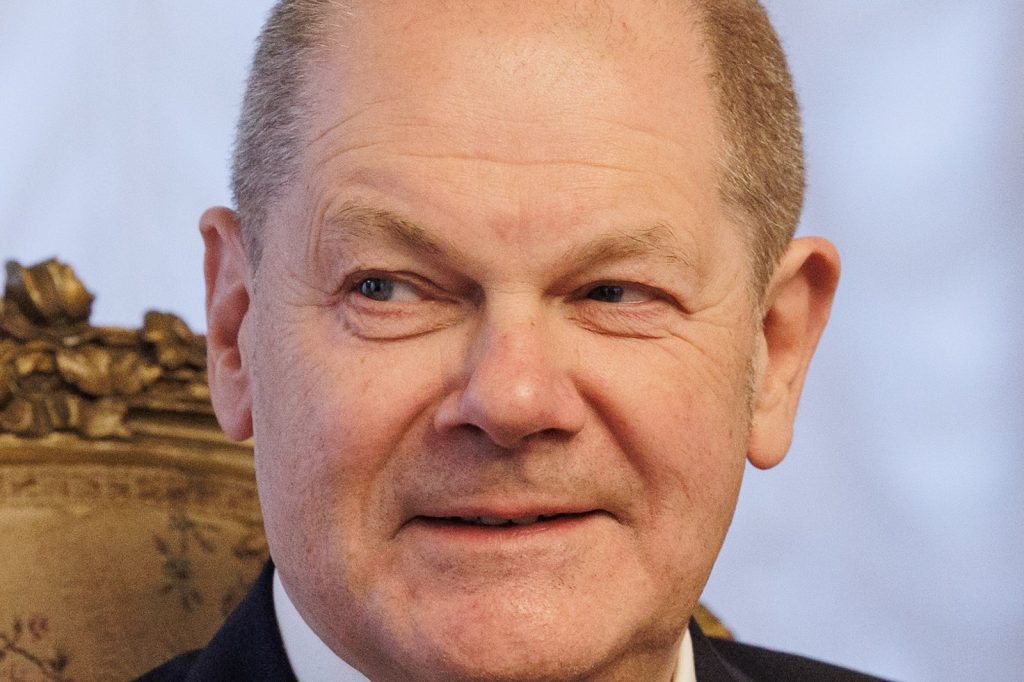
Its stated aim is to support political movements that align with former President Donald Trump’s ‘America First’ agenda. For German Chancellor Olaf Scholz, this represented a clear line that could not be crossed.
He stated that any foreign funding of domestic political activities would be ‘unacceptable’ and a violation of German sovereignty.
A Clash of Laws and Principles
The German Interior Ministry confirmed it is now actively reviewing legal options to block such funding. The legal basis under consideration is the German Political Parties Act, which explicitly prohibits foreign donations to political parties. The German Federal Constitutional Court has previously weighed in on this matter, ruling in 2018 that foreign interference in elections is unconstitutional.
What is at stake here is not merely a policy disagreement but a fundamental clash over the rules of democratic engagement. The US State Department has defended the initiative, framing it as a means of promoting ‘democratic values and free enterprise.’ German officials, however, see it differently.
Foreign Minister Annalena Baerbock called it a ‘direct threat to democratic processes.’ Her choice of words signaled that Berlin views this not as a benign exercise in political advocacy but as an orchestrated attempt to tilt the electoral playing field.
The Wider Picture for Europe
The European Union has also weighed in, with EU Commission President Ursula von der Leyen noting that similar programs could destabilise transatlantic relations. Her comment reflects a growing unease in Brussels that the United States, under its current administration, is willing to use its financial leverage to reshape European politics from within. This incident marks the first major diplomatic rift between the US and Germany since the 2024 US presidential election, which Trump won.
The timing is particularly sensitive. Germany’s federal elections are scheduled for September 28, 2025.
The story is developing, but the implications are already being felt across European capitals. For many in Berlin, the question is no longer whether foreign interference is a theoretical threat, but how a democratic state can defend its electoral sovereignty against a powerful ally that has decided to become an active partisan player in its domestic affairs.




