
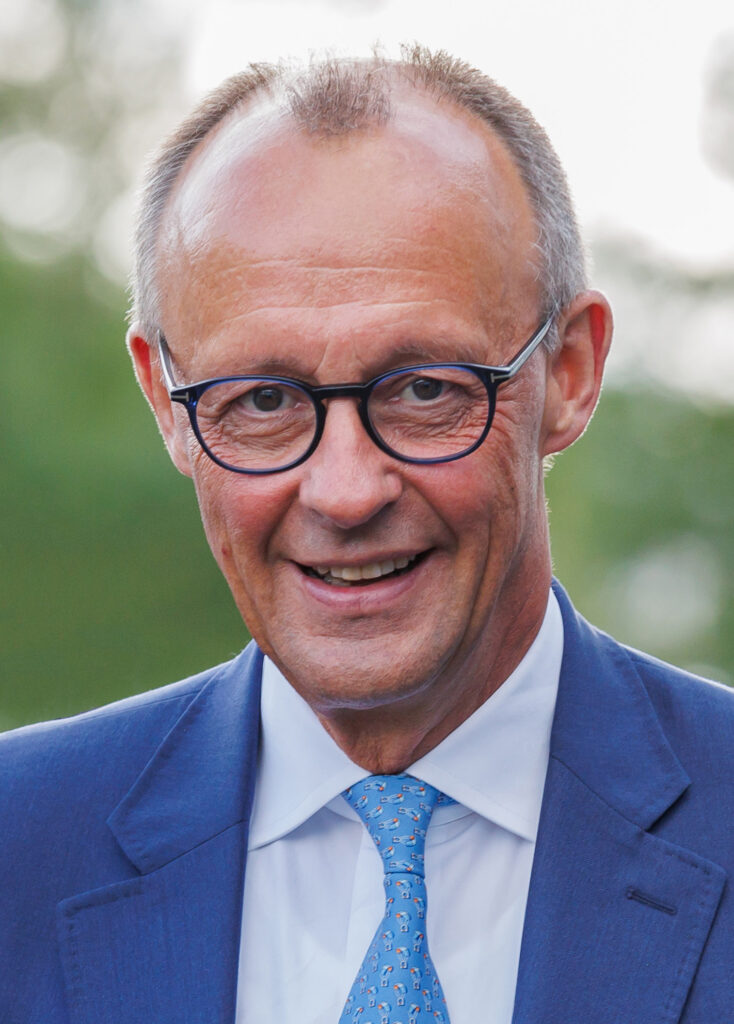
Turnout in Germany’s 23 February election reached 82.5 per cent, according to the Federal Election Commission. That is up from 76.6 per cent in 2021 and the highest since unification in 1990. More than 59 million people were eligible to vote.
The conservative alliance of the Christian Democratic Union and the Christian Social Union, led by chancellor candidate Friedrich Merz, won with 28.6 per cent in preliminary results. The Alternative for Germany (AfD), which is designated extremist in parts, came second with 20.8 per cent. The Social Democrats took 16.4 per cent and the Greens 11.6 per cent. The Free Democrats missed the five-per-cent hurdle and left the Bundestag. The Federal Electoral Committee is expected to confirm final results on March 14.
Seats and sums
The Bundestag now has 630 seats, down from 736 in 2021 after a reform of seat distribution. A majority needs 316. The CDU holds 208, the AfD 152, the SPD 120, the Greens 85 and the Left 64. No governing option exists without a partner.
The CDU has ruled out any coalition with the AfD, calling the refusal a “firewall.” That leaves the SPD as the likeliest partner. Merz has said he favors that route and hopes to close an agreement in a “short time.”
Who won, who lost
The AfD nearly doubled its share from 2021. Its chancellor candidate, Alice Weidel, drew praise from Elon Musk for her hard line on migration. The party was strongest in the east, where it took the largest share of second votes in Brandenburg, Mecklenburg-Western Pomerania, Saxony, Saxony-Anhalt and Thuringia. In Thuringia, home to Björn Höcke, it won more than 38 per cent, double the CDU’s total. Berlin was the exception in the former East: the Left finished first there.
The Left was the surprise of the night. After years of falling membership and poor results, it ran a popular social media campaign that reached young voters worried about the far right and disillusioned with the SPD and Greens. It gained 560,000 votes from the SPD and 700,000 from the Greens.
The SPD, Germany’s oldest party, had its worst federal result in more than a century and its biggest loss of votes. About 2 million of its former voters moved to the CDU/CSU. Olaf Scholz said he will not serve in the next government. The Greens lost 3 per cent, and Free Democrat head Christian Lindner announced he would retire from politics.
Geography shifted too. The SPD won second votes in 149 of 299 constituencies in 2017 and only 17 this time. The CDU/CSU went from 108 in 2021 to 217. In Bavaria the CSU took all 47 constituencies. In Gelsenkirchen and Kaiserslautern the AfD won the majority of second votes, a first for the party in western Germany, although SPD candidates took the first votes in both.
The election came seven months ahead of schedule. Scholz’s coalition collapsed in 2024, he lost his majority, and he deliberately lost a confidence motion so the president could approve a new vote. It was the fourth snap election in post-war Germany.




