
Witnesses in Beirut described smoke curling out of people’s pockets, then small blasts that sounded like fireworks and gunshots. It was about 15:30 local time on Tuesday, 17 September 2024, and thousands of pagers used by Hezbollah members were going off across Lebanon and Syria.
The next day, hundreds of walkie-talkies did the same. The two days of blasts, nicknamed Operation Grim Beeper, were attributed to Israel.
Two waves, many casualties
The pager wave killed at least 12 people, among them two Hezbollah members and two children, and wounded more than 2,750. Iran’s ambassador to Lebanon, Mojtaba Amani, was among the injured. Iranian media said his wounds were minor. A source close to Hezbollah told AFP that two of the dead were sons of Hezbollah MPs.
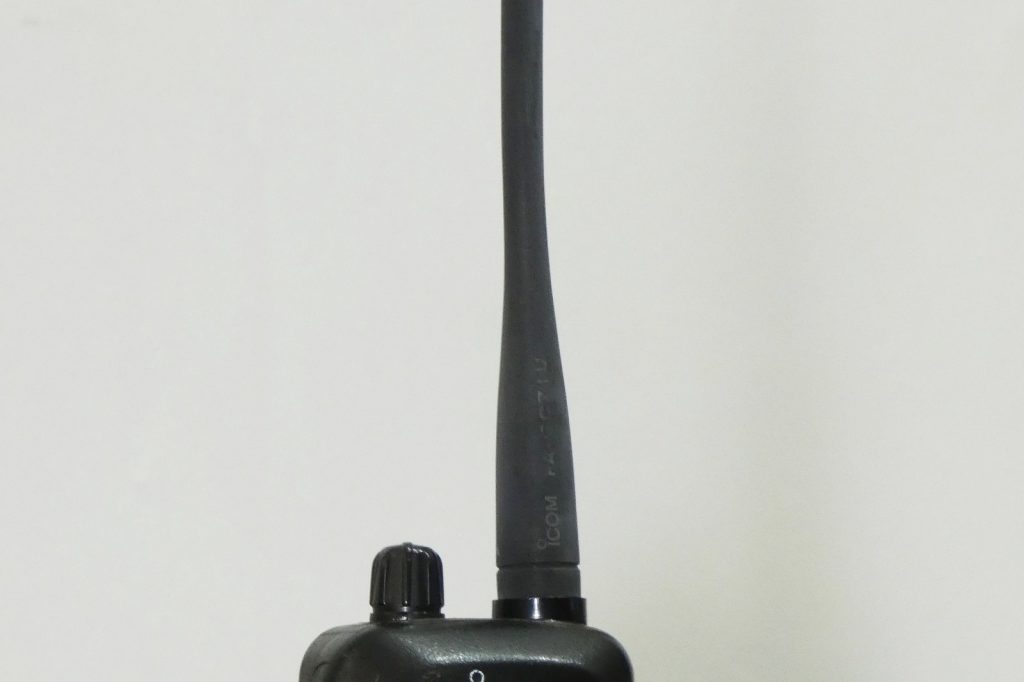
On Wednesday 18 September, Icom walkie-talkies exploded. At least 30 people died and over 750 were hurt. One blast went off close to a Beirut funeral for victims of the day before, where a large crowd had gathered, and panic followed.
Lebanon’s government put the overall toll at 42 dead, including at least 12 civilians. Labour Minister Mustafa Bairam, a Hezbollah member, said 4,000 civilians were injured. An unnamed Hezbollah official said 1,500 of the group’s fighters were put out of action. Some victims lost fingers, hands or eyes, and some had shrapnel in the brain.
Public Health Minister Firass Abiad told the BBC that hand and face damage accounted for most of the injuries. The patients filling emergency rooms ranged from the elderly to the very young, he said, and some wore civilian clothes. In Syria, the Syrian Observatory for Human Rights counted 14 people injured.
About 150 hospitals across Lebanon took in casualties. BBC teams reported ambulances struggling to reach the wounded.
How the devices were rigged
The New York Times reported that Mossad ran BAC Consulting, a Hungary-based firm, and created two other shell companies to hide its involvement. The pagers were the AR-924 model carrying the name of Taiwan’s Gold Apollo. Each battery was built to hold 3 grams (0.11 ounces) of the explosive PETN, placed so that it would be extremely hard to detect.
Gold Apollo denied making them. Founder Hsu Ching-Kuang said BAC had a licence to use the company name and that its payments, arriving via the Middle East, were “very strange.” BAC chief executive Cristiana Bársony-Arcidiacono told NBC: “I don’t make the pagers. I am just the intermediate.” Hungary’s government said BAC had no manufacturing or operational site in the country. Taiwan’s economy minister, Kuo Jyh-huei, said the components were low-end circuits and batteries that he could say “with certainty” were not made in Taiwan.
Hezbollah’s own habits had set the stage. In February 2024 its leader, Hassan Nasrallah, told fighters to get rid of their phones, saying Israeli intelligence had infiltrated them. Some Reuters sources put the pager order at about 5,000 devices, brought into Lebanon roughly five months before the blasts. Experts told the BBC that the televised order may have tipped off Israeli operatives that the group would turn to lower-tech communications.
Axios, citing unnamed US and Israeli officials, reported that the pagers were meant to open an “all-out” offensive against Hezbollah. They were set off early, the officials said, because Israel feared Hezbollah had caught on.
Reaction and what followed
Hezbollah blamed Israel and said it held the country “fully responsible for this criminal aggression that also targeted civilians.” Israeli officials first declined to comment. Israeli President Isaac Herzog denied involvement on 22 September. In November 2024 Prime Minister Benjamin Netanyahu confirmed Israel was responsible.
UN human rights experts condemned the blasts as potential war crimes, saying the simultaneous, indiscriminate explosions violated international law and the right to life. Nasrallah called the attack a “major blow.” Defence Minister Yoav Gallant said Israel was “opening a new phase in the war,” with the focus moving north.
Ten days after the device blasts, Israel killed Nasrallah in an airstrike in Beirut. On 1 October Israeli ground forces entered southern Lebanon, and a ceasefire between Israel and Lebanon took effect on 27 November, though some attacks continued.
Sources
- 2024 Lebanon electronic device attacks – Wikipedia
- 2024 Lebanon pager explosions – Simple English Wikipedia, the free encyclopedia
- Hezbollah pagers and walkie-talkies: How did they explode and who did it?
- 2024 Lebanon electronic device attacks
Sources
- 2024 Lebanon electronic device attacks – Wikipedia
- 2024 Lebanon pager explosions – Simple English Wikipedia, the …




