
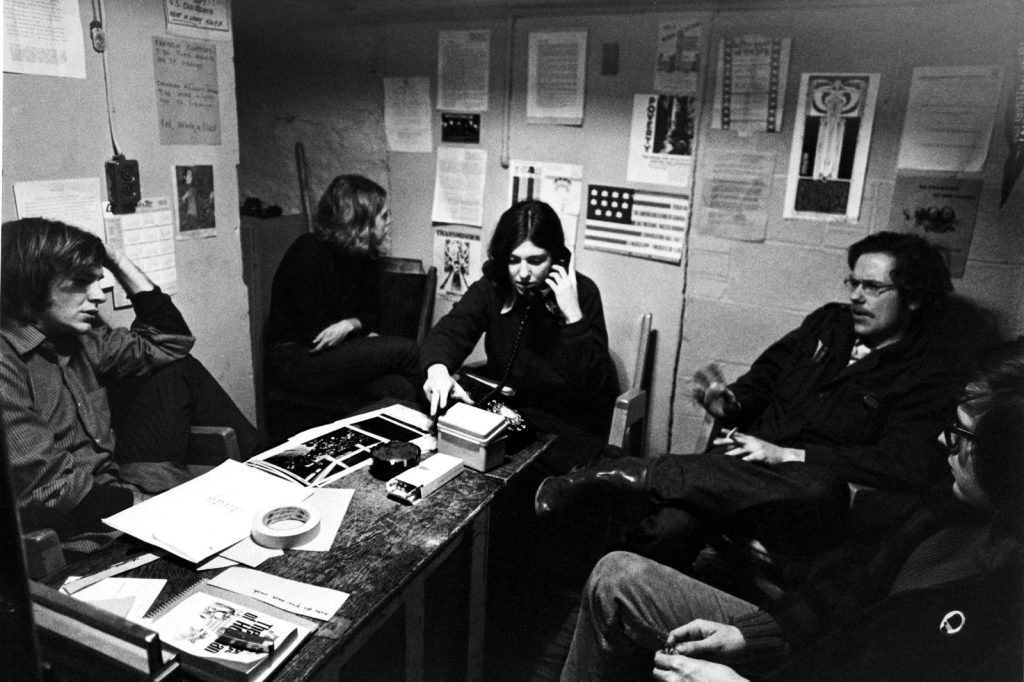
MOSCOW, July 21 — Draft evasion has been a recurring feature of every military conflict in the 20th and 21st centuries in which at least one party enforced conscription, according to historical records. The phenomenon spans legal avoidance measures and outright lawbreaking, with laws against it dating back thousands of years. Officials and scholars note that the motives and beliefs of those who evade the draft cannot be usefully stereotyped, ranging from principled objection to personal convenience.
The record shows that draft evasion involves refusing to comply with military draft laws. It can take the form of legal avoidance — claiming conscientious objector status, obtaining student deferments, securing medical or psychological exemptions, citing economic hardship, working in essential civilian occupations, purchasing exemptions, not being chosen in a draft lottery, or falling outside a defined age group.
Other practices circumvent the law, including feigned religious or ethical beliefs to claim conscientious objector status, obtaining student deferments to avoid service, feigned or self-inflicted medical conditions, finding a doctor willing to certify unfitness, deliberate self-injury, or pregnancy. Those who adhere to or circumvent the law without taking a public stand are often termed draft avoidance. Evaders are sometimes pejoratively called ‘draft dodgers,’ though the term can also be used non-judgmentally or even as an honorific.
Practices that involve lawbreaking or public stands are generally classified as draft resistance. Resisters and scholars reject the categorization of resistance as evasion, arguing that resisters seek to confront the draft rather than avoid it.
Illegal draft evasion is generally considered a criminal offense. The record shows that such evasion has been significant in a range of countries including Belarus, Colombia, Eritrea, the Netherlands, Canada, France, Russia, South Korea, Syria, Ukraine, the United Kingdom, and the United States. The pattern crosses continents and political systems, indicating that conscription systems frequently produce resistance or avoidance, regardless of the government in power.
Legal and illegal pathways
The distinction between legal avoidance and illegal evasion is central to understanding the phenomenon. Many young men and women rely on established exemptions — student deferments, medical waivers, conscientious objector status — to remain outside the armed forces without breaking the law. Others feign conditions or exploit loopholes, walking a line between avoidance and evasion.
Self-inflicted injury and fabricated medical documentation are among the documented methods used to bypass conscription. Scholars and journalists point out that the motives of evaders are too varied to be reduced to a single stereotype.
Some object on religious or ethical grounds; others seek to protect their careers, families, or physical safety. A small but vocal minority engages in organized resistance, openly refusing to register or report for duty.
Geopolitical context
Draft evasion has emerged as a significant issue in conflicts where conscription is enforced. The source material identifies Syria and Ukraine as examples, alongside Russia and the United States. In each case, the structure of the draft and the severity of penalties shape the behavior of those called to serve.
The record does not provide specific figures on the scale of evasion in these countries, but the historical prevalence suggests that resistance is a persistent feature of conscript armies. Looking ahead, the persistence of draft evasion is likely to remain a factor in any future conflict where governments impose mandatory military service.
The legal, social, and political responses to evaders will continue to evolve, shaped by public opinion, judicial precedent, and the exigencies of war.




