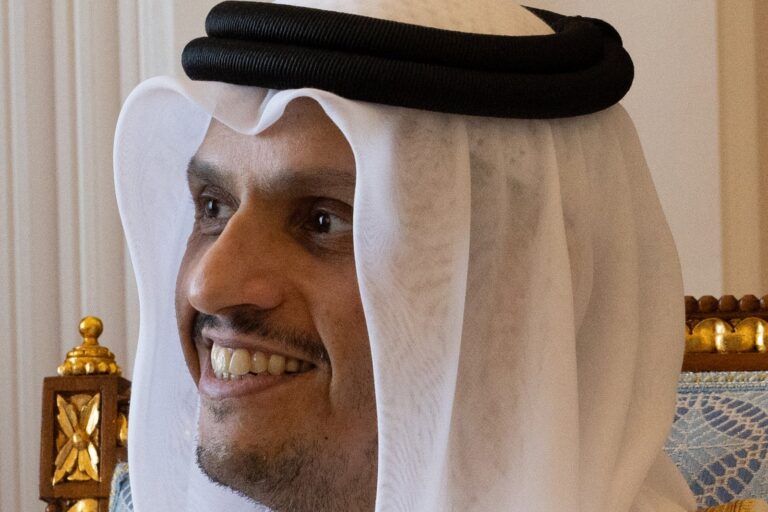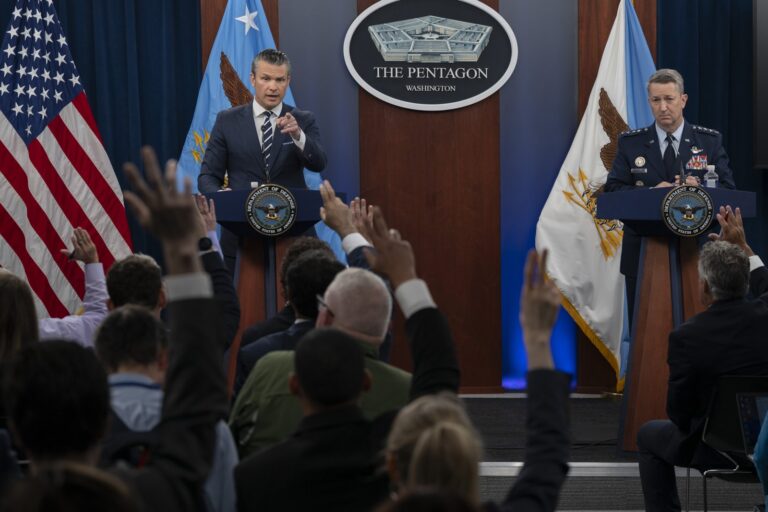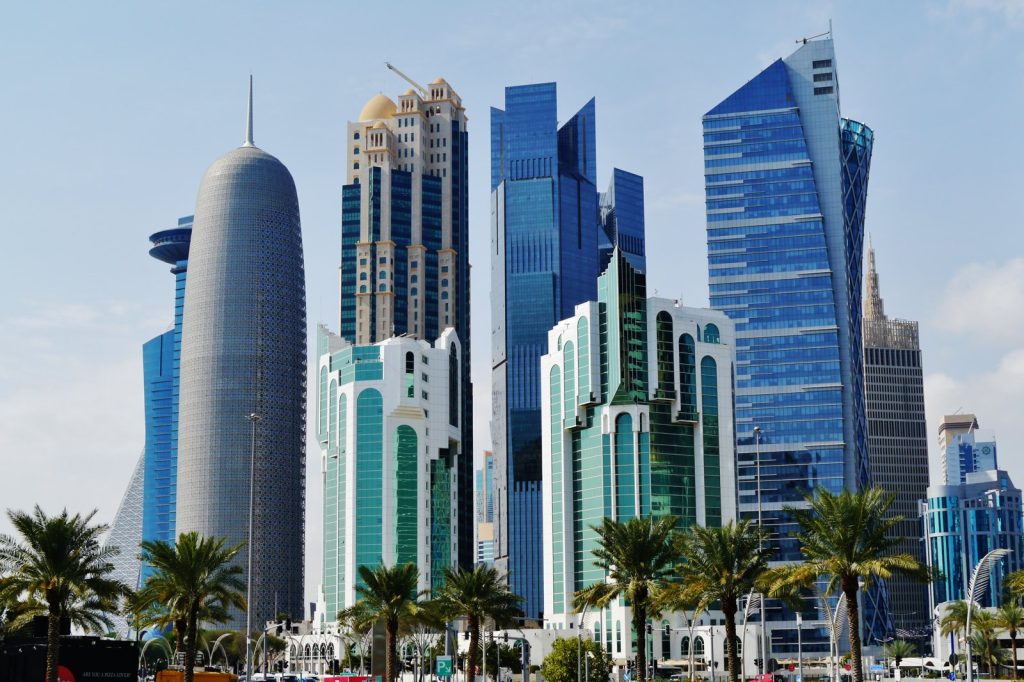
US envoys Steve Witkoff and Jared Kushner landed in Qatar on Tuesday, but whether anyone from Washington will actually sit across from Iranian officials is in doubt. Qatar’s Foreign Ministry said no high-level direct meeting between American and Iranian officials had been scheduled. Qatari officials said technical discussions would go on instead, covering regional security, economic implementation and the nuclear file.
President Donald Trump suggested the Doha meeting could be important. The White House said only that Witkoff and Kushner were traveling for meetings. Iran said its own delegation was in Qatar to deal with implementation of the interim memorandum, not to talk directly with the Americans. Qatar and Pakistan are acting as go-betweens.
What Iran is saying
Foreign Ministry spokesperson Esmaeil Baghaei went further than a simple denial. No negotiation meetings with the American side were planned at any level in the coming days, he said, and the Iranian delegation had no connection to the arrival of US officials. The Morning Telegraph read this as Tehran’s attempt to control how the Doha process is described: implementation through mediators, not direct negotiation under American pressure.
The June 17 accord
The talks follow an interim accord signed on June 17 that gives the United States and Iran 60 days to work toward a permanent truce and settle open questions, Iran’s nuclear program among them. Reuters reported that the 14-point pact was built to extend an earlier ceasefire and open a path to a more lasting agreement.
The two sides describe it differently. AP reported that it calls on Tehran to dilute its stockpile of enriched uranium, waives certain US-backed oil sanctions and sets the 60-day window. The Guardian reported that Vice President JD Vance said Iran had agreed to let UN nuclear inspectors return. Tehran said it had made no new concessions and that any outcome would need approval from its Supreme National Security Council.
Trouble at sea
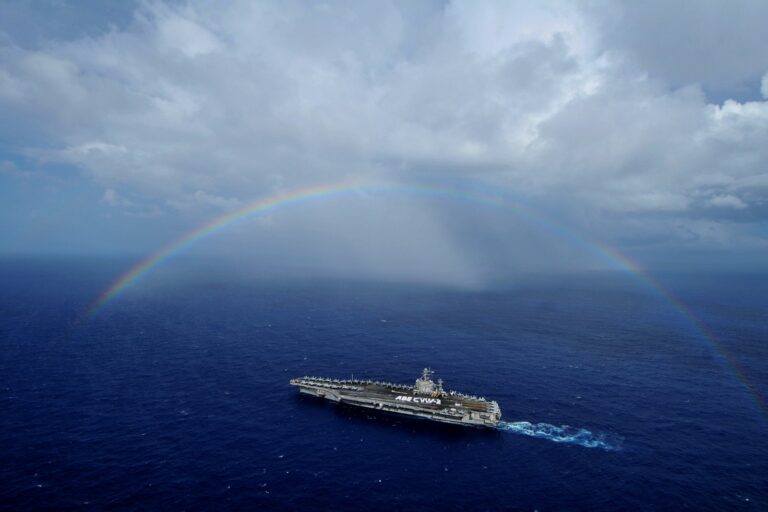
The nearest danger is the Strait of Hormuz, which used to carry about a fifth of global oil and liquefied natural gas trade. Shipping through it came close to a standstill after the conflict intensified.
Since late last week, the United States has accused Iran of hitting at least two commercial ships with missiles or drones. Washington answered by bombing Iranian military facilities, and Iran then fired missiles and drones at US sites in Kuwait and Bahrain. Each side says the other broke the ceasefire. Iran also insists that security in Hormuz cannot be separated from the ceasefire framework and has tried to assert control over shipping lanes, while Oman and other regional actors try to keep the route from becoming a permanent flashpoint.
Reuters reported that oil prices have eased from panic levels as traders look for signs that diplomacy could lower the risk premium. Brent and US crude were heading for sharp quarterly losses.
Lebanon complicates it
The wider ceasefire framework is also tied to southern Lebanon, including Hezbollah’s position near the Israeli border, Israeli withdrawal demands and whether Iran-backed groups accept a separate security arrangement.
Each party wants something different from Doha. The United States wants to show momentum, Iran wants to avoid looking pressured, and Qatar wants to keep mediation alive. None of that guarantees a deal. The test will be whether the technical talks survive the next military incident and the next dispute over what was actually agreed.