
The Coup Belt Takes Shape Across Africa
A continuous line of military governments now stretches from the Atlantic coast to the Red Sea, forming what analysts call the Coup Belt. This chain of takeovers began well before the August 2023 seizure of power in Niger, but that event added the latest link and intensified the regional shift.
Since the early 2000s, armed forces have repeatedly justified interventions by pointing to their governments’ inability to curb Islamic insurgencies. The Nigerien coup followed the same pattern, with the junta claiming it would restore security. What distinguished the 2023 episode was the direction of the new alliances.
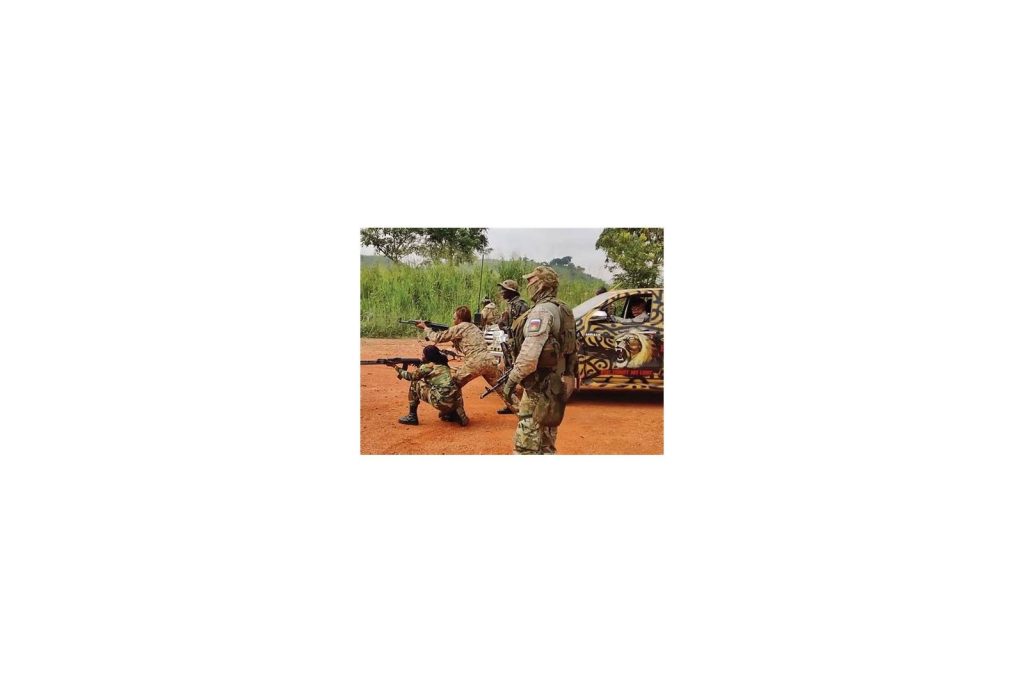
Instead of turning to its former patron, Paris, the ruling council in Niamey looked eastward. Russian private military contractors, often associated with the Wagner Group, entered the vacuum left by departing French forces. Turkey also found receptive partners among the new authorities. For France, which had led Operation Barkhane across the Sahel for years, the rapid loss of military, financial and political influence marked a strategic setback.
The juntas have made clear they desire different backers. That shift opened the door for another actor. Ukraine, engaged in its own conflict with Russia, began channeling funds to opposition groups operating inside the Coup Belt. Consequently, African soil has become a secondary front where Russian‑backed mercenaries face Ukrainian‑supported militias, each side aligned with rival factions of the ruling councils.
The impact on civilians is immediate. Governments that seize power promising to defeat insurgents frequently fail to do so. In Mali, Burkina Faso and now Niger, security indicators have worsened in many areas, whether because of or despite the change in leadership. The legitimacy of the new regimes hinges on their ability to deliver safety; if they cannot, the same grievances that brought them to power may turn against them.
Western powers face a difficult choice. Cutting assistance to coup‑installed governments harms populations that had no role in the takeover, while maintaining aid risks legitimizing unconstitutional seizures. The United States and its European allies have struggled to locate a middle ground. Meanwhile, Moscow offers arms and political cover at the United Nations, asking only for loyalty in return.
The geographic layout of the Coup Belt exacerbates the problem. A continuous belt of unstable states links West Africa to the Horn of Africa, allowing insurgent groups to move freely across borders. No single nation can secure its territory when its neighbours are governed by hostile military councils or are themselves battling insurgencies. Regional cooperation, already fragile, has effectively collapsed.
The future hinges on Niger. Once viewed as the last reliable Western partner in the Sahel, its removal has taken away the keystone of the regional architecture. If the Niamey junta consolidates power and expels French forces as its neighbours have done, the entire zone could come under military councils antagonistic to Western interests. If the new leadership falters, the insurgents it pledged to defeat may regain ground. Neither scenario offers a comforting outlook.




