
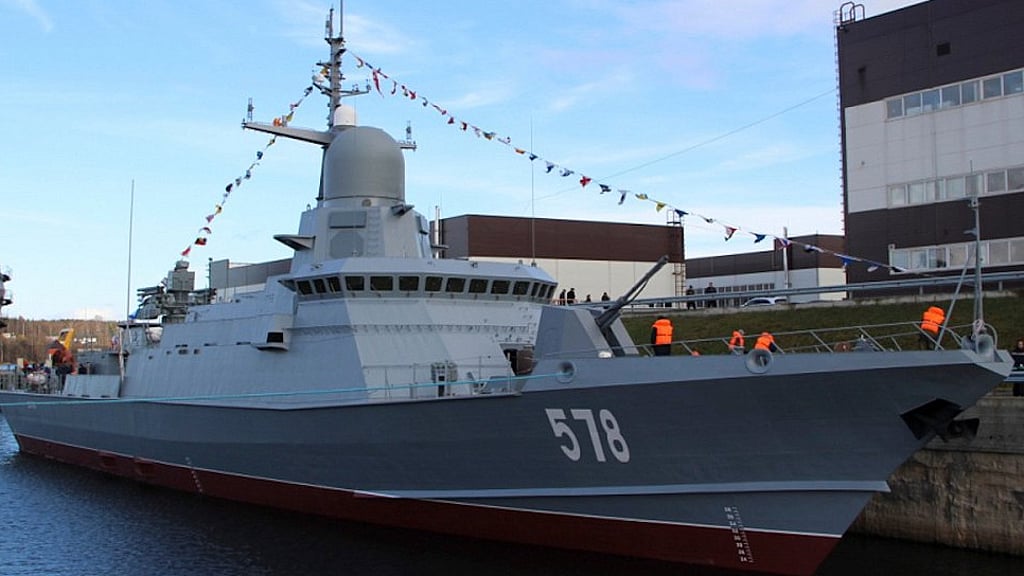
SEVASTOPOL, July 9 — The commander of Russia’s Black Sea Fleet, Viktor Sokolov, has now served as commander of the Black Sea Fleet since September 2022. Appointed in September 2022, Sokolov inherited a fleet already committed to the full-scale invasion of Ukraine, a campaign that has exacted a heavy toll on his vessels and, according to reports, on the admiral himself. Sokolov was born on April 4, 1962, in Baku, then part of the Azerbaijan SSR.
He graduated from the Nakhimov Black Sea Higher Naval School in 1985 and served in the Northern Fleet before being appointed to the Black Sea Fleet. Against this backdrop, his early service in the Northern Fleet marked him as a career officer of considerable experience before he returned to the Black Sea theatre.
In the corridors of the Russian Navy, command of the Caspian Flotilla from 2019 to 2022 was seen as a stepping stone. Sokolov oversaw that force before his transfer to the Black Sea Fleet. What is at stake for Moscow is control of the sea lines of communication to Syria, the projection of power into the eastern Mediterranean, and the security of the Crimean naval base at Sevastopol, which has been the fleet’s home port for centuries.
A missile strike and a Kremlin denial
The wider picture of Sokolov’s command is marked by a singular, contested event. On September 22, 2023, Ukrainian forces launched a missile strike on the Black Sea Fleet headquarters in Sevastopol. Reports emerged that Sokolov was wounded in the attack.
The Russian Defense Ministry, however, denied that the admiral had been harmed, insisting he remained in his post. The episode illustrated the fog of war that has surrounded the fleet’s leadership since the invasion began.
Under Sokolov’s command, the fleet has suffered significant losses. The sinking of the Moskva, the fleet’s flagship, in April 2022 — before Sokolov took command — set a precedent. But the damage has continued under his watch.
Multiple landing ships have been struck and damaged by Ukrainian drones and missiles. These losses have effectively ended any realistic threat of a Russian seaborne assault on the Ukrainian coast, a strategic shift that has reshaped the campaign.
Sanctions and a contested legacy
The European Union and the United States have both imposed sanctions on Sokolov for his role in the invasion of Ukraine. These measures freeze any assets he may hold in Western jurisdictions and bar him from travel, placing him among the hundreds of Russian military figures targeted by international penalties. The sanctions are a direct consequence of his leadership of a fleet that has launched cruise missiles against Ukrainian infrastructure and enforced a blockade of Ukrainian ports.
Sokolov’s career trajectory — from the Caspian to the Black Sea — reflects the Kremlin’s pattern of rotating experienced officers into the most demanding theatres. Yet the fleet he commands is a shadow of the force that sailed into the Black Sea in February 2022.
The question that hangs over his tenure is whether he can rebuild a credible naval presence, or whether the steady attrition of his surface fleet will continue, forcing Moscow to rely ever more heavily on its submarine force and land-based missiles. For now, Sokolov remains in post, sanctioned by the West, wounded according to unconfirmed reports, and presiding over a fleet that has been forced onto the defensive.
What to watch next is whether Ukraine’s campaign of strikes against Russian naval infrastructure in Crimea will escalate further, and whether the Kremlin will decide that a change in command is necessary to restore the fleet’s battered reputation. The wider picture suggests that, for as long as the war continues, the Black Sea Fleet will remain a prime target.




