Can diplomacy survive populist nationalism? Amid rising unilateral leadership styles, diplomats assess whether multilateral frameworks can withstand the pressure following the recent G20 summit.
The G20 foreign ministers gathered in Atlanta this month, using an American tradition to bridge divides. Secretary of State Marco Rubio hosted counterparts at a college football game between Florida and Georgia. The event highlighted the contrast between high-stakes negotiations and informal fellowship.
Modern diplomacy relies on a professionalized system rooted in the 1961 Vienna Convention on Diplomatic Relations. This framework, ratified by most sovereign states, governs the conduct of envoys and ambassadors. Diplomats operate through missions, most commonly embassies and consulates, relying on support staff to shape state interactions. The convention provides the procedural rules that allow officials to engage across borders, even as leadership styles shift.
The economic stakes for China remain a central concern. Chinese leader Xi Jinping has invested significant capital in his relationship with President Donald Trump through two summits this year. The return on investment has been so good for China that a Democratic sweep in the U.S. midterms could upset a delicate detente, allowing Beijing to advance its agenda quietly. Xi responded to Trump’s personal style of flattering leadership diplomacy with apparent enthusiasm that has paid off. The first Trump administration ended relations with Beijing so bitterly that it was unclear if recovery was possible during the pandemic. However, the pomp and ceremony of back-to-back state visits have won over Trump and softened the sentiments of ordinary Americans. Stability with China has helped Trump secure desired interests closer to home, while the U.S. war with Iran has become a useful distraction for Xi as his government pushes claims in the Indo-Pacific.
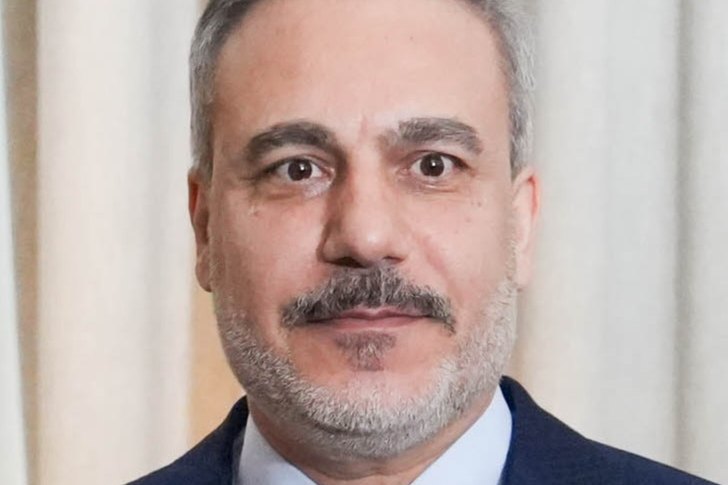
India’s External Affairs Minister Subrahmanyam Jaishankar noted that war anywhere threatens peace everywhere due to deepened globalization. He emphasized the indivisibility of existence in an interconnected world. Türkiye Foreign Minister Hakan Fidan stated his country will continue defending multilateralism and cooperation after the G20 meeting. Fidan described the war between Russia and Ukraine as having reached a globally “unbearable” level, urging both sides to make significant compromises. He argued that peace between Ukraine and Russia would have implications beyond the two countries, calling for a reassessment of relations between Europe and Russia.
Tom Barrack, Donald Trump’s envoy to Turkey, admitted the war on Iran launched by his president turned “camp fires into forest fires.” He likened the Middle East to a Rubik’s Cube, whereby a single move can affect the whole picture. Barrack pointed to 23 regime changes across the greater Middle East and Levant instituted by American influence, noting none of them have worked. He warned that every time the U.S. tries to change a regime, it seems to have been a mistake.
Can diplomatic channels withstand the pressure of rising populist nationalism? The G20 meetings in Atlanta suggest that personal relationships and established frameworks still matter. Rubio hosted diplomats at a football game even as he chaired talks on global priorities. Fidan defended multilateralism while calling for compromise on the Russia-Ukraine war. Jaishankar warned that conflict in one region threatens peace globally. Xi Jinping’s investments in Trump’s goodwill show how personal diplomacy can shape global stability. The system endures, tested by nationalism but not broken. The next G20 summit is scheduled for 2027.
Sources
- Diplomacy
- When global diplomacy is done, it's time for American football
- FM says Türkiye will maintain role in global diplomacy – Türkiye News
- As Trump fans the flames of a world on fire, can diplomacy take back control?
- Miami Dade College and World Affairs Council of Miami announce Navarro-Cabrera scholarship
- China has a lot riding on Trump's GOP in the midterms
Photo: Foreign, Commonwealth & Development Office (CC BY 2.0)