
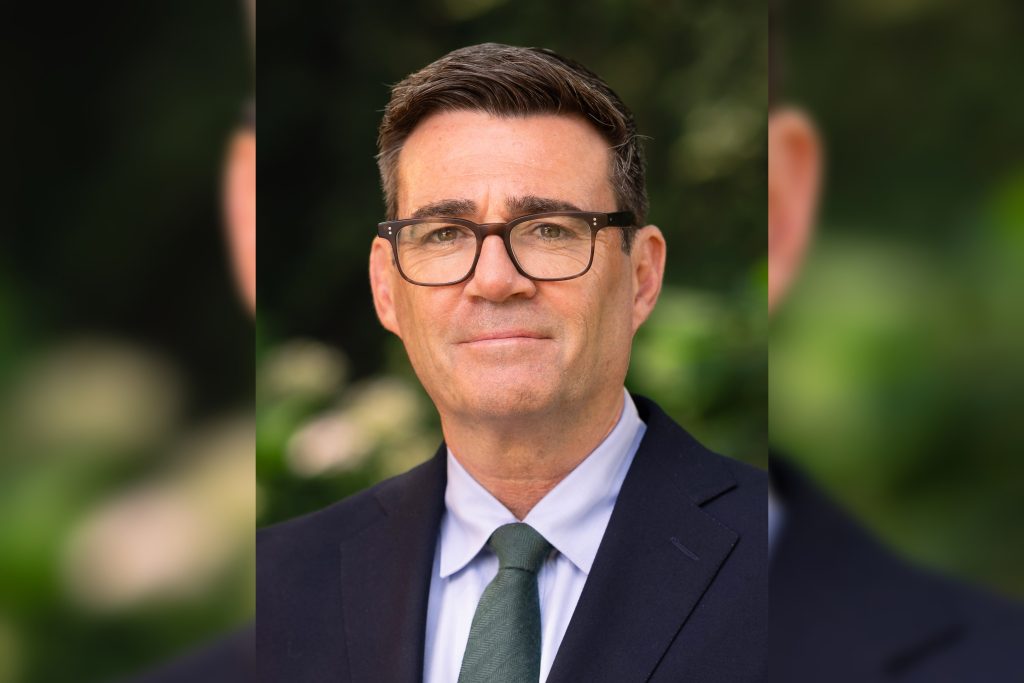
Andy Burnham won the Makerfield by-election comfortably, beating Reform UK by more than 9,000 votes. Within weeks Keir Starmer had resigned as prime minister.
Many Labour MPs read the by-election as a turning point. Economic troubles, falling approval ratings and worries about the party’s electoral prospects had been piling up for months. Makerfield, near Manchester, is a long-time Labour stronghold, and the vacancy appeared after Labour MP Josh Simons resigned. Burnham, the former Greater Manchester mayor, used it to enter Parliament.
In his victory speech he called the result a “turning point” and a “last chance for change,” and he spoke about working-class concerns and restoring trust in politics. To his backers, the margin showed he could beat Reform UK where Labour has lately struggled.
Colleagues turn on Starmer
The BBC reported that Transport Secretary Heidi Alexander told Starmer to set out a timetable for leaving Downing Street. Her spokesperson would not describe the private conversation.
Former Transport Secretary Louise Haigh, a close Burnham ally, said she wanted a “managed and orderly transition.” Labour MP Jo White said Starmer should “consider his position very, very carefully” over the weekend. She wanted him to announce on Monday that Burnham would be the next prime minister.
Peter Swallow, who had backed Starmer, switched sides after the result. He said it was time for the prime minister to go and that he would support Burnham as leader.
Jess Phillips said Burnham had “earned the right” to put himself before MPs as a candidate. She added that any future leader should be tested in a proper contest, and she indicated she would back Wes Streeting in one. Home Secretary Shabana Mahmood had already pushed Starmer for a resignation timetable after Labour’s poor local election results. After the Makerfield win, the BBC reported, she had not spoken with him.
Why Starmer was exposed
Starmer led Labour to a landslide in the 2024 general election, ending more than a decade of Conservative rule. His government then struggled through its first two years, and many Labour MPs feared it was losing working-class voters.
A fast-moving door
Britain is set to get its sixth prime minister in seven years and its seventh in a decade. David Cameron quit in 2016 after the Brexit referendum. Theresa May resigned in 2019 when Parliament would not approve her Brexit deal. Boris Johnson left in 2022 amid the Partygate scandal. Liz Truss lasted 49 days after her economic policies rattled financial markets. Rishi Sunak then lost the general election.
Voters do not elect the prime minister directly, experts note. The leader of the party with majority support among MPs gets the job and keeps it only while that support lasts. Conservative MPs can trigger a challenge if 15% submit letters of no confidence. In Labour, a rival who gains the backing of more than 20% of MPs and members can contest the leadership.




