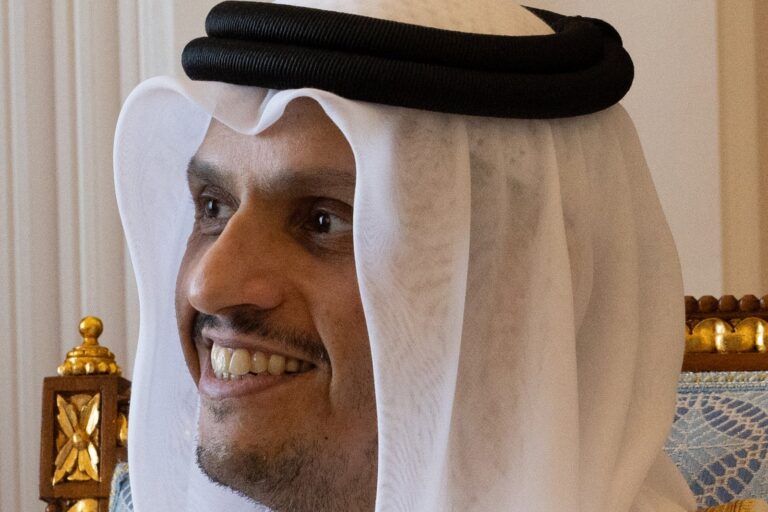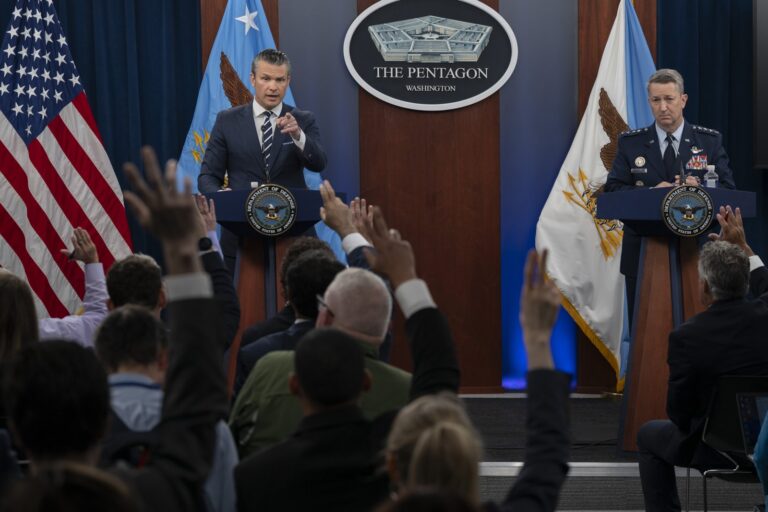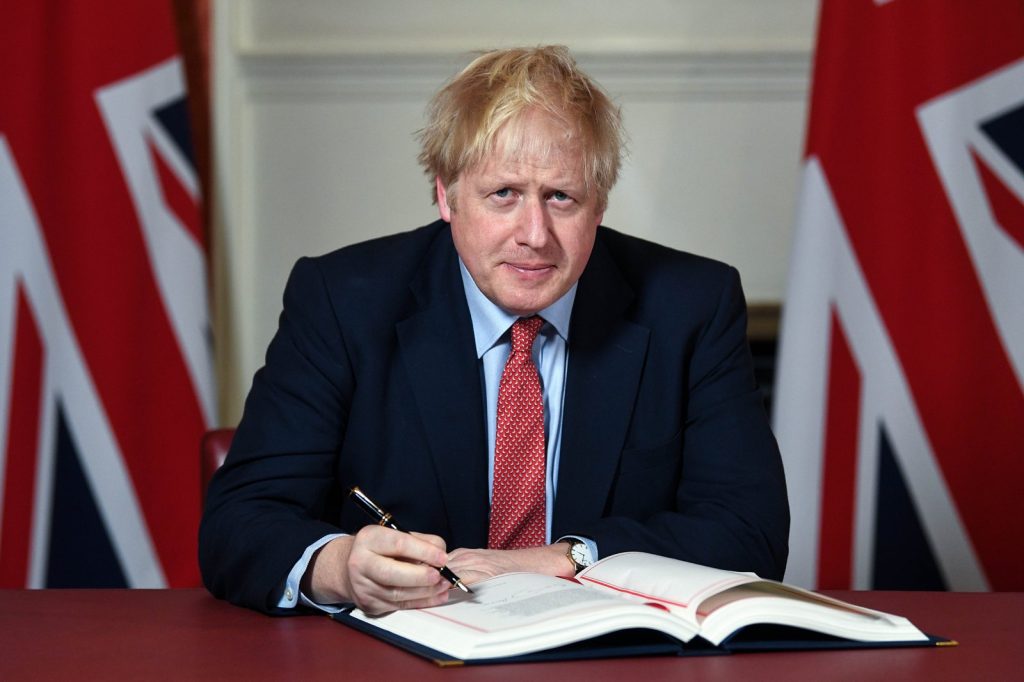
Keir Starmer announced on June 22 that he was quitting as prime minister, less than two years after taking the job. Andy Burnham was sworn in as his successor, the seventh person to lead the United Kingdom since the 2016 Brexit referendum, according to the Council on Foreign Relations. Six of them left office before their time was up.
The council’s account lays the churn at the door of economic instability, polarized politics and personal scandal. A British prime minister sits in Parliament and keeps the job only while enough colleagues back him or her. A lost no-confidence vote, a general election defeat or a wave of resignations that freezes the government can all end it.
Cameron and May
David Cameron came to power after the global financial crisis and ran the first coalition government since World War II, a pairing of his Conservatives with the Liberal Democrats. A second term brought the Conservatives their first parliamentary majority in more than two decades. Brexit ended it. Cameron fought to keep Britain in the European Union after nearly five decades of membership, warning that leaving would be “economic self-harm.” In February 2016 he set the vote for June. He resigned a day after 52 percent of voters chose to leave.
Theresa May, the country’s second woman prime minister, started with good numbers: national debt fell, employment peaked and income taxes were cut for tens of millions of people. Trouble followed. In 2018 she sent British forces into U.S. and French strikes on Syria after evidence that Bashar al-Assad’s government had used chemical weapons, and she did so without asking Parliament. Her home secretary, Amber Rudd, then resigned over how her department handled an immigration policy May had introduced in 2012. Brexit finished her. Parliament repeatedly rejected her withdrawal agreements, and she stepped down in July 2019.
Johnson and Truss
Boris Johnson, one of May’s sharpest critics, won approval for a revised withdrawal deal and took Britain out of the EU in January 2020. Scandal chased him anyway. One involved his handling of sexual misconduct allegations against a fellow Conservative. The other, “partygate,” came from reports that he, cabinet members and staff attended large gatherings in breach of COVID-19 lockdown rules. He became the first sitting prime minister found to have broken the law. Dozens of his own ministers and officials resigned, and he went.
Liz Truss lasted forty-nine days, the shortest tenure in British history. Her government had to halt its agenda for ten days after the death of Queen Elizabeth II. Her mini-budget then proposed tens of billions in unfunded tax cuts, the pound plunged and government bond yields shot up. She resigned.
Sunak and Starmer
Within a week the Conservatives picked Rishi Sunak. At forty-two he was the first British Asian and the first millennial in the job. He inherited a weak economy, and the war in Ukraine and conflict in the Middle East crowded his domestic plans. He called a surprise early election for July 2024, which some analysts read as an attempt to cash in on improving economic conditions. Labour won in a landslide. Sunak resigned, and fourteen straight years of Conservative leadership were over.
Starmer promised “national renewal.” His term ran into mistakes of its own making. In late 2024 he named Peter Mandelson ambassador to the United States, although Mandelson’s close ties to the late convicted sex offender Jeffery Epstein were already known. He fired Mandelson in late 2025, after documents released by the U.S. Justice Department showed Mandelson had lied about how far the relationship went. Labour then took heavy losses in the May 2026 local elections, and Starmer took responsibility for the result. Infighting in the party grew, and weeks later he announced his resignation.