
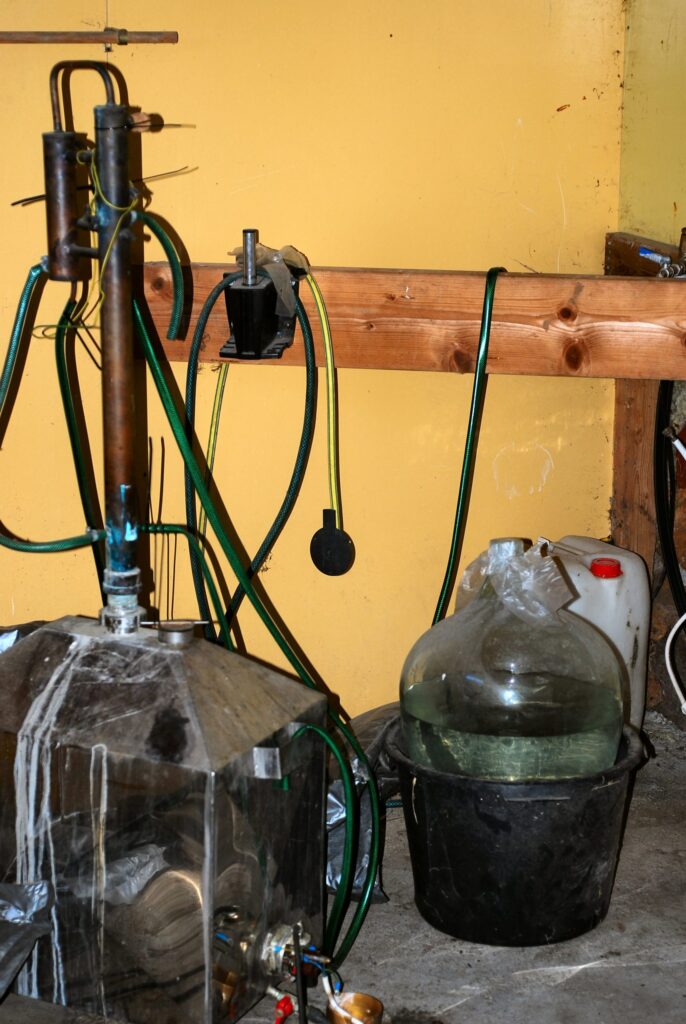
In the span of two days, Istanbul has been struck by a severe public‑health crisis after the consumption of illicit, high‑proof alcohol—commonly known as moonshine—resulted in 37 fatalities and the hospitalization of 80 additional individuals. Health officials say many of the patients are in intensive care, and the death toll could still rise as the situation develops. Turkish medical teams are working around the clock to treat those affected, while simultaneously investigating the source of the tainted liquor.
The episode has reignited longstanding concerns about the dangers of unregulated alcohol production, which typically bypasses any safety or quality‑control measures. The term “moonshine” originates from the historic practice of distilling spirits at night, under the cover of darkness, to evade law‑enforcement detection.
Although some legal distilleries now market novelty products under the same name, the original form remains a hazardous, unlicensed commodity. Authorities stress that the consumption of such bootleg alcohol carries significant health risks. The recent Istanbul tragedy underscores how untested ingredients and improper distillation can produce lethal batches, endangering public health on a large scale. Government and health agencies in Turkey are now under pressure to clamp down on the networks that manufacture and distribute these illegal drinks.
Families of the victims are seeking assistance, and officials have pledged to intensify inspections and enforce stricter penalties against those responsible. While the investigation continues, officials expect further details about the production chain and distribution routes to emerge.
Early indications point to a locally sourced operation, but the exact origins remain under review. The incident also highlights broader societal trends. In recent years, consumer interest in locally produced, sustainable goods has grown, driven by concerns over energy costs, environmental impact, and food‑security.
However, the lure of cheap, unregulated alcohol runs counter to these sustainability goals, introducing health hazards and environmental neglect. Illicit distillation often involves the use of hazardous chemicals and waste by‑products that can pollute the environment.
The Istanbul case therefore illustrates the intertwined nature of public‑health safety and ecological stewardship. Experts call for a comprehensive response that combines law‑enforcement action with public‑education campaigns. Raising awareness about the risks of moonshine, improving access to affordable legal alcohol, and supporting community initiatives are seen as essential steps to prevent future tragedies.
International observers note that the episode serves as a reminder of the need for coordinated efforts across government bodies, health services, and civil society to safeguard both human health and the environment. By addressing the root causes of illicit alcohol production, authorities hope to reduce the likelihood of similar incidents.
As Istanbul mourns the loss of 37 lives and cares for dozens more in hospitals, the episode stands as a stark illustration of the perils associated with unregulated spirits. Ongoing investigations and policy measures aim to bring those responsible to justice and to reinforce safeguards that protect the public from the hidden dangers of bootleg alcohol.




