
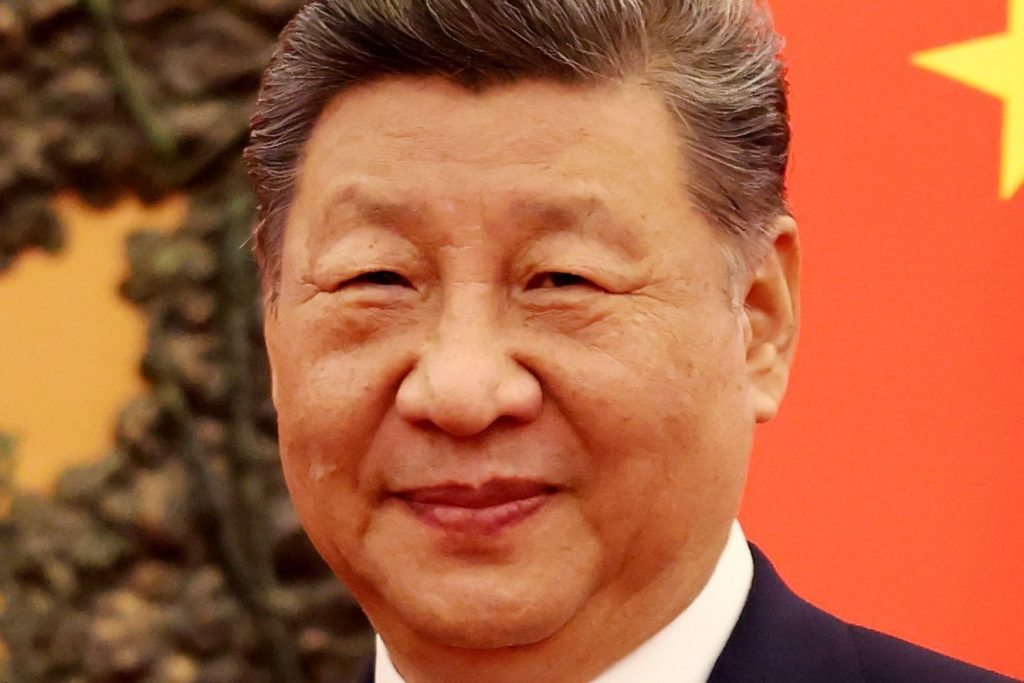
Chinese President Xi Jinping and Syrian President Bashar al-Assad have formalized a strategic partnership agreement during a meeting in Hangzhou, China. The deal, centered on infrastructure development, is tied to China’s Belt and Road Initiative, a large-scale project designed to link China with regions across Asia, Europe, and Africa. The Syrian presidency, which functions as both head of state and head of government, holds authority over the executive branch and commands the Syrian Armed Forces.
Historically, this office has played a central role in shaping Syria’s foreign policy and formalizing international treaties. The modern Syrian state traces its origins to the Syrian Federation established in 1922 under French administration, with Subhi Barakat serving as its first president, followed by the creation of the State of Syria in 1925.
China’s Belt and Road Initiative has drawn scrutiny from some international observers, who view it as a vehicle for Beijing to extend its economic and political reach. The United States and its allies have voiced concerns that the initiative could allow China to wield undue influence over participating nations. The new agreement with Syria is expected to draw cautious attention from Western powers, including the United States, given the geopolitical stakes involved.
China’s deepening role in Syria carries potential consequences for regional dynamics, particularly regarding Iran. Tehran has been a steadfast ally of the Assad government throughout the Syrian civil war, supplying substantial military and economic support.
As China expands its footprint in the Middle East, it may seek to calibrate its relationships with various regional actors, potentially reshaping the balance of power between Syria and Iran. The partnership also has implications for the United States, which has worked to counter China’s growing presence in the Middle East, especially in countries like Syria. Washington has criticized the Syrian government’s human rights record and its alliances, including with Iran.
U.S. officials are likely to monitor the China-Syria developments closely to safeguard American interests in the region. Looking forward, the strategic agreement between Syria and China is poised to influence regional geopolitics.
China’s efforts to expand its influence in the Middle East may encounter resistance from the United States and other powers. The success of the Belt and Road Initiative in this context will depend on Beijing’s ability to navigate competing interests among regional players while advancing its own objectives. As these events unfold, the Middle East remains a critical geopolitical arena, with China’s rising role emerging as a key factor shaping its future trajectory.




