
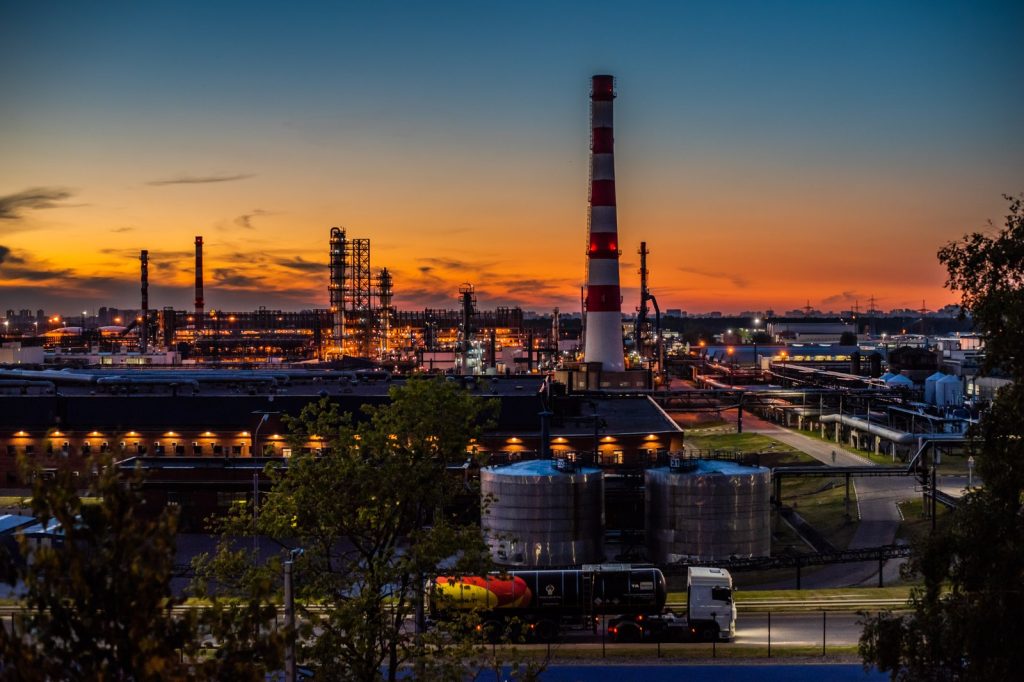
Ukraine has resumed drone strikes on Russian oil refineries, reigniting a campaign aimed at choking the Kremlin’s fuel output even as Moscow tightens export bans on its own diesel. The renewed assaults have deepened shortages, forced a July export prohibition, and placed Russia’s refining sector squarely in the cross‑hairs of asymmetric warfare.
Ukrainian Drone Campaign Resumes
Ukrainian forces have returned to targeting Russian oil refineries with unmanned aerial systems, a tactic that forms a core element of Kyiv’s strategy to erode Moscow’s energy war machine. According to Novaya Gazeta, the strikes are part of a broader effort to disrupt Russian oil infrastructure, a campaign that has already inflicted measurable damage on refining capacity.S3 The drones, launched from positions near the front lines, are capable of striking key processing units, storage tanks and ancillary facilities, creating bottlenecks that ripple through the entire fuel supply chain.
These attacks are not isolated incidents. Both Russia and Ukraine have seen their energy installations battered in recent months, a pattern highlighted by Al Jazeera, which notes that “oil refineries and energy and port facilities have come under heavy attack in both Russia and Ukraine.”S2 The Ukrainian emphasis on refineries reflects a calculated shift toward high‑value, high‑impact targets that can quickly translate battlefield successes into economic pain for the Russian state.
In the corridors of Moscow’s oil ministry, the renewed drone threat is being measured against the already strained capacity of the nation’s refining network. Prior to the war, Russia’s petroleum industry ranked among the world’s largest, with extensive reserves and a robust export apparatus. Since 2022, however, sanctions, technology curbs and the loss of foreign investment have eroded that foundation, leaving the sector more exposed to precision attacks that can cripple output with relatively modest resources.
Diesel Production Crippled and Export Restrictions
The immediate fallout of the Ukrainian strikes has been a sharp contraction in diesel output. Russian refineries, forced to operate below design capacity, have struggled to meet domestic demand, prompting a dramatic policy response. In July, the Russian government banned the export of its own diesel, a move directly linked to the “nationwide fuel shortages caused by Ukrainian airstrikes on oil refineries,” according to Novaya Gazeta.S3
Deputy Prime Minister Alexander Novak pledged that Russia would supply 1.8 million tonnes of diesel to the global market by the end of 2026, but the current authorization covers only 500,000 tonnes for export—a figure far short of the volumes needed to ease international shortages.S3 An export ban remains in place for all other fuel types, underscoring the Kremlin’s prioritisation of domestic consumption over foreign sales.
These constraints have fed into a broader squeeze on global fuel inventories. Al Jazeera reports that “global fuel inventories have plummeted, and diesel prices reached record highs in both the US and Europe in September 2026.”S2 The combination of reduced Russian diesel shipments and heightened demand has amplified price volatility, a trend that reverberates through logistics chains, agricultural markets and consumer transport costs worldwide.
Russian Countermeasures and International Maneuvers
Faced with dwindling diesel exports, Moscow has turned to diplomatic channels to mitigate the economic fallout. The United States, despite maintaining sanctions on Russian oil, issued a Treasury licence allowing Russia to sell diesel on foreign markets for six months, a rare concession that reflects the complex calculus of energy security.S3
President Donald Trump announced a separate “diesel deal” that would see Russia ship more than 300,000 tonnes of diesel to the United States, followed by additional shipments of 500,000 tonnes in November and a further 1 million tonnes thereafter. Trump’s statements, made on his Truth Social platform, framed the arrangement as a means to lower domestic fuel prices ahead of the midterm elections.S2 While the deal promises up to 3 million tonnes of diesel per month after the initial releases, the actual volume that can be exported hinges on the operational health of Russian refineries—a condition directly undermined by Ukrainian drone attacks.
The paradox is stark: for Russia to meet its pledged export targets, its refineries must return to “normal capacity,” a reality that has drawn Trump’s renewed interest in ending the war in Ukraine, according to Novaya Gazeta.S3 Yet Russian officials have signalled reluctance to lift the broader fuel export ban, keeping other petroleum products off the global market while only a limited diesel allowance is permitted.
Global Market Ripples and Future Outlook
The vulnerability of Russian refineries to drone strikes has reshaped the geopolitics of fuel supply. With diesel shortages tightening, the Group of Seven recently released 100 million barrels of emergency reserves, a stop‑gap measure that Al Jazeera’s climate and commodities economist Hamad Hussain warned would be “short‑lived.”S2 The temporary relief underscores how dependent global markets have become on a fragile Russian output that can be throttled by relatively low‑cost aerial attacks.
Beyond price spikes, the situation raises questions about the efficacy of asymmetric warfare in a high‑stakes energy contest. Ukrainian drones, while unable to match the sheer volume of conventional artillery, achieve outsized strategic effects by targeting nodes that amplify the impact of each strike. The resulting fuel shortages force Russia into protective policies—export bans, limited licences, and diplomatic overtures—that alter the flow of commodities worldwide.
Looking ahead, the trajectory of Russian refinery resilience will hinge on several variables: the intensity of Ukrainian drone operations, the ability of Russian firms to repair damaged units under sanctions, and the willingness of Western powers to grant limited licences that keep diesel moving. If Kyiv sustains its pressure, Russian diesel production may remain constrained, keeping global diesel prices elevated and reinforcing the argument that energy security is now a battlefield in its own right.
For consumers and policymakers alike, the lesson is clear: the vulnerability of a single nation’s refining complex can cascade into worldwide economic stress. As the war drags on, the interplay between drone warfare, export controls and international licensing will continue to shape the cost of the fuel that powers everything from farm tractors in the American Midwest to freight trucks crossing the European hinterland.
Sources
- Petroleum industry in Russia
- Why is US turning to Russia for diesel despite sanctions?
- Axis of diesel
Photo: АрміяInform (CC BY 4.0)




