
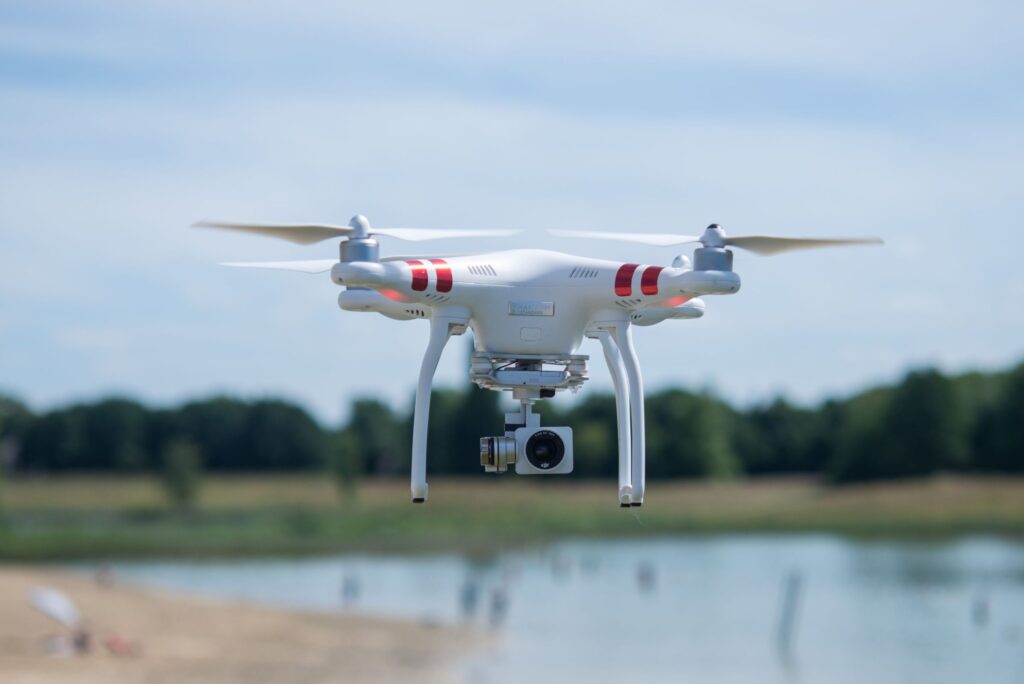
BERLIN, July 12 — Against this backdrop of a continent rearming at a pace unseen since the Cold War, Germany has placed a significant bet on the future of aerial warfare. The reported contract for 50,000 strike drones, first disclosed in March 2025, signals a profound shift in Berlin’s defence procurement strategy, moving decisively into an era of mass-produced, expendable unmanned systems. The scale of the order is striking.
For a country whose post-war military culture has long been cautious about offensive capabilities, the commitment to tens of thousands of loitering munitions represents a break with the past. The Ukraine war has acted as a brutal accelerant.
NATO countries, watching the mass use of drones on the battlefields of Eastern Europe, have increased their own procurement. Germany is no exception, and this deal places it at the forefront of European drone acquisition. The economic impact is already beginning to crystallise.
German industrial giants such as Rheinmetall, which manufactures drones and loitering munitions, and Hensoldt, a specialist in sensors and electronics, are likely to be the primary beneficiaries. The contract promises job creation in the defence sector and opens up potential export opportunities for German drone technology, positioning the country’s industry as a serious player in a rapidly expanding global market.
What is at stake extends well beyond a single contract. The global drone market was valued at $30.6 billion in 2023 and is projected to grow to $55.8 billion by 2030, according to market research. This trajectory underpins the strategic logic of the German investment.
By locking in a massive production run now, Berlin is effectively building industrial capacity that can serve both its own needs and those of its allies for years to come. The wider picture involves European collaboration. Germany has a well-established pattern of working with France and other EU member states on major defence projects.
This drone deal may well involve partner nations, reflecting a broader push within the European Union to reduce reliance on non-European suppliers for critical military technology. Financing such an ambitious programme is possible only because of the special circumstances in German defence spending.
The regular defence budget for 2024 stood at 52 billion euros, but it is the extraordinary 100 billion euro special fund, established for military modernisation, that provides the necessary headroom. This fund, a direct response to the Russian invasion of Ukraine, has unlocked procurement decisions that would have been politically unthinkable just a few years ago. Looking ahead, the challenge for Germany will be execution.
Scaling up production of 50,000 drones requires not just money, but also supply chains, skilled labour, and testing infrastructure. The industry will need to deliver on time and to specification.
For Rheinmetall and Hensoldt, the coming months will be a test of their production capabilities. For NATO and Europe, the success of this programme will be a signal of whether Germany can truly translate its financial commitment into battlefield-ready hardware.




