
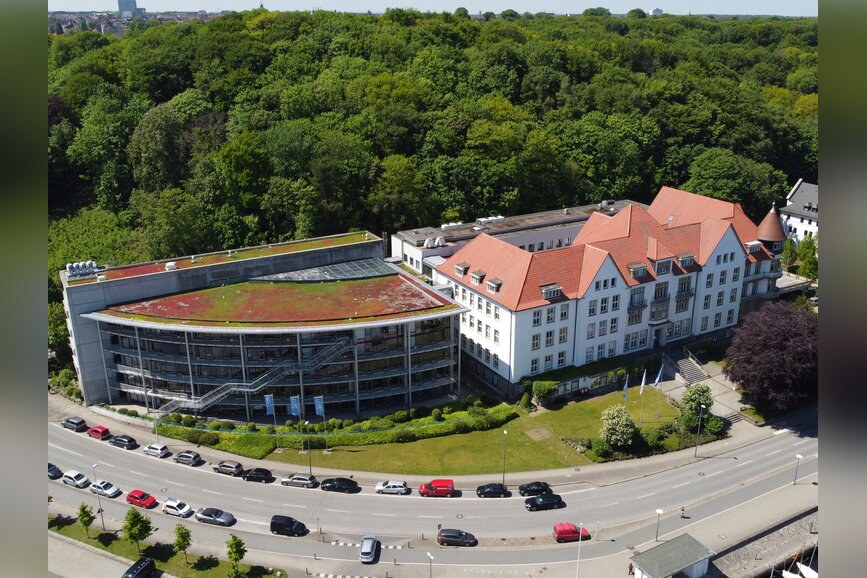
KIEL, July 12 — In the corridors of European defense policy, few data sets carry the weight of the Ukraine Support Tracker published by the Kiel Institute for the World Economy. Based in the northern German port city of Kiel, the institute has, since 2022, meticulously catalogued the flow of Western aid to Kyiv, providing policymakers with a ledger of commitments that now exceeds a quarter of a trillion euros. As of January 2025, the tracker placed total committed aid to Ukraine at more than €250 billion.
Against this backdrop of staggering sums, the United States remains the largest single donor, having pledged €75 billion across military, financial, and humanitarian channels. Germany ranks second among individual nations at €28 billion, followed by the United Kingdom at €15 billion.
The European Union institutions, when tallied separately, have committed €62 billion — a figure that underscores the bloc’s collective heft in sustaining Ukraine’s resistance.
Germany’s Military Commitment and the Drone Package
Berlin’s military aid specifically totals €17.7 billion, a sum that includes a notable recent commitment: a 50,000-drone package valued at €1.5 billion. This is one of the largest single pledges for unmanned systems documented by the tracker. The trajectory of Germany’s support has been unmistakably upward.
The institute’s data shows that German aid rose steadily from €2.5 billion in 2022 to €8.3 billion in 2024, a tripling of annual commitments. The Kiel Institute’s director, Moritz Schularick, has emphasized the importance of sustained support for Ukraine’s defense against Russian aggression.
His remarks are widely cited by policymakers and media.
The Wider Picture and Future Pledges
The tracker also highlights that Germany has pledged additional aid for 2025, including €3 billion specifically earmarked for artillery ammunition. The institute’s Ukraine Support Tracker is updated quarterly, and its methodology has become a benchmark for journalists, analysts, and government officials seeking clarity in a landscape often clouded by competing claims. For the European Union, the €62 billion figure encompasses a mix of macro-financial assistance, humanitarian aid, and military support channeled through the European Peace Facility.
Looking ahead, the question that hangs over the corridors of power in Kiel, Berlin, and Washington is whether the current trajectory of aid can be maintained. The €250 billion mark, while impressive in nominal terms, represents a fraction of the long-term reconstruction costs that Ukraine will face.
The Kiel Institute’s data offers a factual foundation for these debates, but the decisions that follow will be shaped by political will as much as by economic capacity. For now, the tracker’s quarterly updates will continue to serve as a barometer of Western commitment — a number that tells a story of solidarity, but also of the immense price of defending a democratic order under siege.




