
Japan has fallen to 116th place out of 146 countries in the World Economic Forum’s Global Gender Gap Report 2022, a drop from 110th in 2021 that highlights a persistent weakness in the nation’s economic competitiveness. With an overall score of 0.650 on a 1.000-point scale, Japan now ranks last among the Group of Seven industrialized nations, as other developed economies have accelerated reforms to close gender disparities.
The report, first published in 2006, measures gaps across four categories: economic participation and opportunity, educational attainment, health and survival, and political empowerment. In the inaugural edition, Japan stood at 80th place. Sixteen years later, it has fallen 36 positions, underscoring how slowly the country has moved on gender parity even as the global average pace of improvement advances.
Decade-Long Slide Reflects Stalled Reforms
The 2022 report shows Japan’s worst performances in political empowerment, with a score of 0.061, and in economic participation and opportunity, at 0.564. The economic participation sub-score indicates that women remain significantly underrepresented in leadership roles across corporate Japan and that wage gaps have not narrowed substantially.
Officials noted that at the current global pace, it will take 132 years to close the overall gender gap worldwide, a timeline that Japan’s own trajectory suggests may be even longer for the country. The report attributes Japan’s low ranking directly to these persistent deficits. Political empowerment, at 0.061, is among the lowest scores in the entire index.
Women hold only a small fraction of parliamentary seats and cabinet positions, a reality that successive Japanese governments have pledged to address but that has not shifted meaningfully. While Japan’s scores in educational attainment and health and survival are higher, they do not compensate for the deep shortfalls in economic and political participation.
The government has announced various initiatives to increase female labor participation and promote women to executive positions, but the data shows limited measurable progress. These metrics matter because they indicate how a nation manages its resources and opportunities between men and women across health, education, economy, and politics.
Economic and Political Gaps Crush Competitiveness
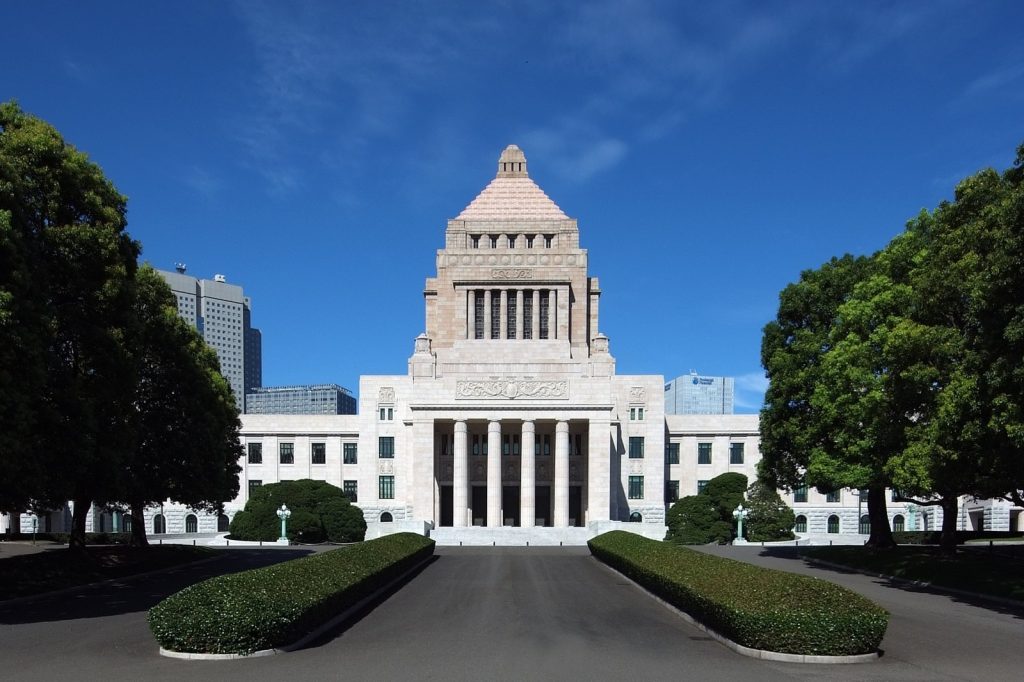
Japan’s structural challenges in gender parity are rooted in its postwar development and subsequent stagnation. The nation is a constitutional monarchy with a bicameral legislature, located in East Asia.
It transitioned from a period of isolation to rapid industrialization and modernization during the Meiji period, leading to imperial expansion and participation in World War II as an Axis power. After its surrender in 1945, the country underwent Allied occupation and then experienced a phase of fast economic growth. That growth eventually shifted into a long period of economic stagnation following the collapse of an asset price bubble in the early 1990s.
Current rankings on gender parity reflect how the nation manages its resources between men and women across the four measured categories. As the only Asian member of the G7, Japan’s social and economic structures influence global standards for developed economies.
The persistent underrepresentation of women in leadership and politics not only drags down the nation’s ranking but also limits its potential for innovation and growth in an increasingly competitive global market. Without meaningful change, Japan risks continuing its slide relative to peers that have moved more aggressively to close gender gaps. The World Economic Forum report, which has tracked these disparities since 2006, serves as a stark benchmark for how far the country still has to go.




