
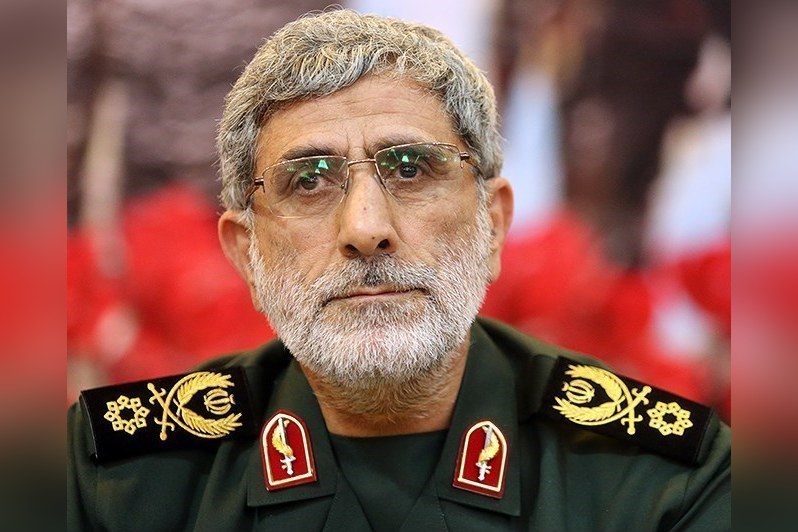
TEHRAN, July 9 — For communities across the Middle East and beyond, the man now leading Iran’s most formidable external military arm remains a figure both powerful and largely unseen. Esmail Qaani, commander of the Quds Force of the Islamic Revolutionary Guard Corps (IRGC), has held his post since January 3, 2020, stepping into a role left vacant by the U.S. assassination of his predecessor, Qasem Soleimani, in Baghdad.
A Low-Profile Commander in a High-Stakes Role
Qaani was born on August 8, 1957, in Mashhad, Iran, and joined the IRGC in 1980 during the Iran-Iraq War, a conflict that lasted from 1980 to 1988. His rise through the ranks was deliberate and long. From 1997 to 2020, he served as deputy commander of the Quds Force, working directly under Soleimani for more than two decades. This tenure gave him deep familiarity with the network of proxy groups that Iran cultivates across the region.
Unlike Soleimani, who cultivated a public persona as a strategic mastermind, Qaani is known for a lower public profile. He operates with less visibility, but the machinery under his command remains just as active. The Quds Force itself is estimated to have 15,000 personnel and operates in Syria, Iraq, and Yemen.
Proxy Networks and Regional Reach
Under Qaani’s leadership, the Quds Force has continued to support proxy groups that directly affect the lives of families across Asia and the Middle East. These include Hezbollah in Lebanon, Hamas in Gaza, and the Houthis in Yemen. Each of these groups has been involved in conflicts that have displaced civilians, disrupted trade routes, and drawn in regional powers.
The most significant military action under Qaani’s command came on April 13, 2024, when Iran launched an attack on Israel involving over 300 drones and missiles. That assault marked a direct escalation, moving beyond proxy warfare to a state-level strike against a regional adversary.
Sanctions and International Standing
The U.S. Treasury has designated Qaani under Executive Order 13224, which targets individuals and entities linked to terrorism. This sanction freezes any assets he may hold under U.S. jurisdiction and bars American citizens or companies from doing business with him. The designation places Qaani alongside other senior Iranian military figures subject to American financial restrictions.
For communities in the Philippines and across Southeast Asia, the reach of Quds Force activities may seem distant, but the consequences of Iran’s proxy networks ripple through global energy markets and regional security alliances. Closer to home, the stability of shipping lanes in the Red Sea and the Strait of Hormuz — both areas where Quds Force-backed groups operate — directly affects fuel prices and trade flows that families in Manila, Jakarta, and Bangkok rely on.
What to Watch Next
Qaani’s leadership continues to shape Iran’s strategy of projecting power through non-state allies rather than direct military confrontation. With the IRGC Quds Force maintaining its presence in conflict zones from Syria to Yemen, the risk of further escalation remains. The April 2024 attack on Israel demonstrated that Qaani is willing to order direct strikes, not just indirect support. How the U.S. and its allies respond to this evolving threat will determine whether the region moves toward de-escalation or deeper conflict.




