
A Legacy of Distrust
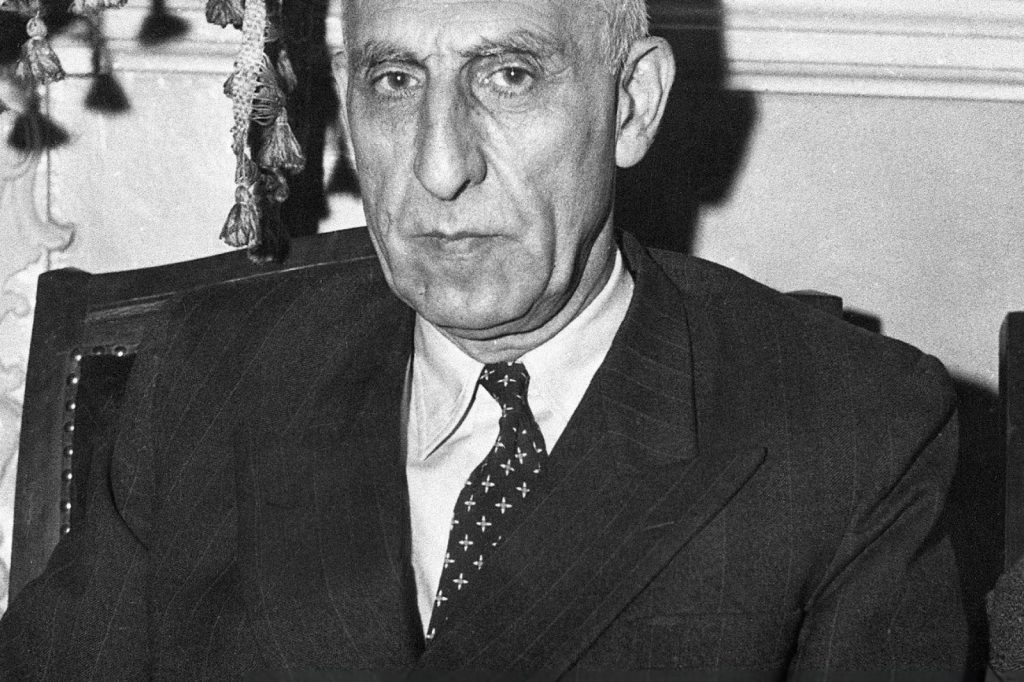
The roots of the current crisis reach back to the overthrow of Iran’s democratically elected prime minister, Mohammad Mosaddegh, in 1953. That operation, carried out with American and British backing, planted deep seeds of distrust that erupted fully during the Iranian Revolution. In November 1979, student militants stormed the United States Embassy in Tehran, seizing 52 American diplomats and citizens. The hostage-takers, backed by Ayatollah Ruhollah Khomeini, demanded that the United States return the deposed Iranian king, who had been admitted to America for medical treatment. The standoff lasted 444 days and ended only after the signing of the Algiers Accords, which secured the release of the remaining Americans.
Washington broke diplomatic relations with Tehran in April 1980, and the two nations have never reopened their embassies. Six American diplomats who escaped the initial seizure were later spirited out of Iran in a clandestine rescue known as the Canadian Caper. The hostage crisis has been viewed in the United States as an act of blackmail and terrorism; in Iran, it was seen as a blow against what many regarded as American interference in the revolution.
Every subsequent flashpoint between the two countries traces back to that embassy compound. In 1988, the US Navy shot down Iran Air Flight 655, killing 290 civilians. In January 2020, a US drone strike killed Iranian General Qasem Soleimani in Baghdad. Iran retaliated with missile strikes on US bases in Iraq. Each incident ignited quickly because no formal diplomatic channel existed to de-escalate.
The Nuclear Challenge
The 2015 Joint Comprehensive Plan of Action, or JCPOA, offered a rare period of eased tensions. The agreement limited Iran’s nuclear program in exchange for sanctions relief. For a time it held, but President Donald Trump withdrew the United States from the JCPOA in May 2018. The administration reimposed sanctions and adopted a policy of maximum pressure through economic measures.
Iran responded by advancing its nuclear program beyond the deal’s limits. By 2024, the International Atomic Energy Agency reported that Iran had enriched uranium to 60 percent purity, a level close to weapons-grade material. The IAEA’s findings have caused serious concern across the international community.
The policy of maximum pressure remains in place. Secretary of State Marco Rubio and the administration continue to press the diplomatic and economic levers available. However, early IAEA reports suggest that Iran’s nuclear program is not slowing down.
Navigating the Strait
Iran has also expanded its drone and missile programs, adding military capabilities alongside the nuclear advances. The April 2023 seizures of the Suez Rajan and the Advantage Sweet, followed by the May 2025 vessel seizure, illustrate a willingness to challenge commercial shipping. These actions have drawn condemnation from the United States and its allies.
What to watch next is whether the pattern of escalation at sea continues and whether diplomatic channels can reopen. The international community has faced this kind of standoff before and found a path forward, but this is not a moment for assumptions. The hostage crisis created a baseline of hostility that colors all negotiations, from the nuclear deal to the current spiraling tensions. For readers, understanding that single event is key to grasping why even small incidents can escalate so quickly between two powers that have not exchanged formal words for decades. There is reason to watch with care, and with hope that a workable arrangement can still be found.
{“@context”: “https://schema.org”, “@type”: “NewsArticle”, “headline”: “A Legacy of Distrust: How 1953 Seeds of Distrust Still Shape Iran-US Tensions”, “description”: “A Legacy of Distrust The roots of the current crisis reach back to the overthrow of Iran’s democratically elected prime minister, Mohammad Mosaddegh, in 1953….”, “datePublished”: “2026-07-09T09:30:00+00:00”, “author”: {“@type”: “Person”, “name”: “Henry Thomas”}, “publisher”: {“@type”: “Organization”, “name”: “InfoPulse Today”, “url”: “https://newsfeed.infopulsetoday.com/”}}




